Plants
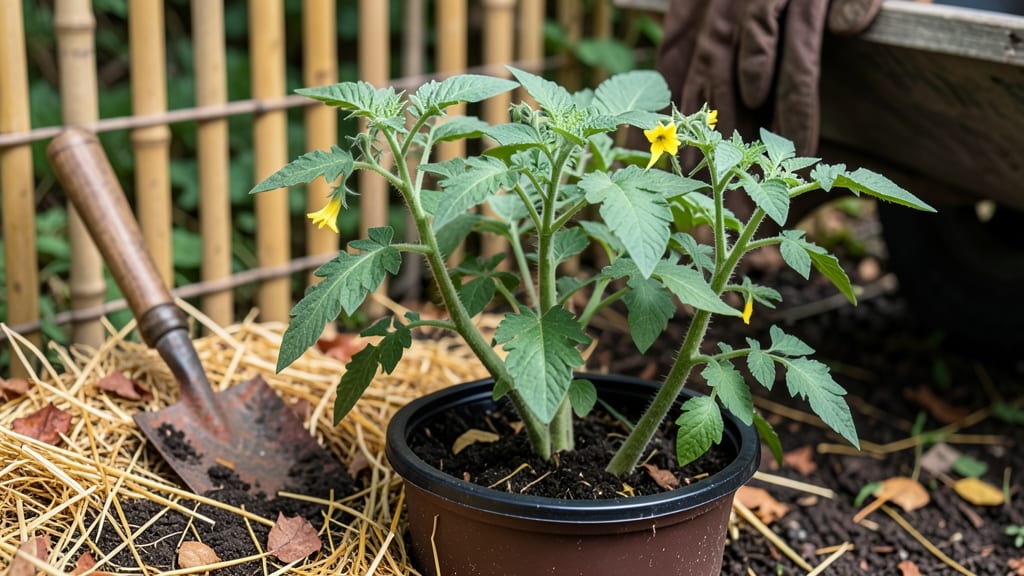
Timing when is the best time to plant tomatoes in Georgia wrong could mean the difference between a bumper crop of juicy 🍅 and a sad, wilted vine—especially when you’re dealing with the state’s unpredictable swings from frost to scorching heat.
Most gardeners in USDA zones 7b-8b know the struggle: plant too early, and a late frost zaps your seedlings. Wait too long, and Georgia’s summer heat arrives before your tomatoes ever ripen.
But there’s a sweet spot—one that aligns with soil temperatures, frost-free dates, and even the right varieties for your region.
In this guide, I’ll break down the best windows for both spring and fall planting, plus how to prep your soil and pick heat-tolerant varieties that thrive in Georgia’s climate. No more guesswork—just a foolproof plan for a harvest that’ll make your neighbors jealous.
Ready to turn your garden into a tomato powerhouse? Let’s dive into the exact timing and tricks that work for Georgia gardeners like you.
Georgia’s frost-free dates & soil temperature requirements for tomatoes
Georgia’s USDA zones 7b-8b give us a 210-day frost-free window, but tomatoes are finicky about timing. The last frost date varies dramatically—mid-March in North Georgia (Athens, Dahlonega) but late February in South Georgia (Albany, Valdosta).
Meanwhile, soil temperature is the real game-changer: tomatoes refuse to germinate below 60°F, and even established plants struggle in 90°F+ soil.
To nail your planting window, check the National Weather Service’s frost data or use the Georgia Automated Environmental Monitoring Network (AEMN) for real-time soil temps. Pro tip: Plant after your county’s average last frost—but don’t rush!
A 2-3 week buffer ensures your seedlings aren’t fried by a late cold snap.
Here’s the critical timeline for Georgia gardeners: March 15-April 15 for North Georgia, February 28-March 31 for South Georgia. But soil temp trumps calendar dates—wait for consistent 60°F+ readings at 4-inch depth. Use a soil thermometer (or bury a candy thermometer) to confirm.
🌱
Georgia’s heat tolerance is a double-edged sword: while we avoid early frosts, summer temps above 95°F can scorch tomato leaves and stunt fruit set. That’s why fall planting (July-August) often yields sweeter tomatoes—cooler nights and milder days create ideal conditions.
For fall success, aim for transplanting by August 1 to ensure harvests before the first frost in mid-November.
Don’t overlook microclimates—a south-facing slope warms up faster than a shady valley. Test your soil’s warmth by placing a thermometer in a sunny spot for 3 days before planting. If it hovers below 60°F, wait another week. Patience here prevents blossom drop and poor germination.
For container growers, soil heats up faster in pots. Monitor temps closely and consider black plastic mulch to raise soil temperature by 5-10°F. This trick is especially useful in North Georgia’s cooler springs, where slow soil warming delays planting.
🌡️
One common mistake? Planting based on air temperature instead of soil temperature. A 70°F afternoon won’t help if the soil is still 55°F. Use a soil thermometer for accuracy—it’s the only way to guarantee your seeds germinate and seedlings thrive.
If you’re in doubt, start seeds indoors 4-6 weeks before your target outdoor date.
Pro move: Plant early varieties like ‘Stupice’ (cold-tolerant) or ‘Mountain Merit’ (disease-resistant
Step-by-step countdown: when to start seeds indoors vs. transplanting outdoors in Georgia
Georgia’s long growing season means you’ve got two chances to plant tomatoes—spring and fall—but timing each step is crucial. For spring planting, I start with seeds indoors 4-6 weeks before your area’s last frost date.
In most of Georgia, that’s mid-February to early March for northern regions (like Athens or Dalton) and late February to mid-March for southern areas (like Savannah or Macon).
Transplant seedlings outdoors 2-3 weeks after your last frost date, which typically falls between mid-March and early April. But don’t rush—wait until soil temperatures hit at least 60°F and nighttime temps stay above 50°F.
Cold soil slows growth and invites disease. For fall planting, aim to transplant late July to early August so tomatoes mature before the first frost in mid-November.
🌱 Georgia Tomato Planting Timeline
- 4-6 weeks before last frost: Start seeds indoors with grow lights or in a sunny window.
- 2-3 weeks before last frost: Harden off seedlings by gradually exposing them to outdoor conditions.
- After last frost (soil ≥60°F): Transplant seedlings outdoors with 18-24 inches spacing.
- Late July-August: Plant heat-tolerant varieties for a fall harvest before frost.
- June-August: Mulch to retain moisture and prune suckers for better airflow.
Hardening off seedlings is a non-negotiable step—skip it, and your plants will shock and struggle. Start by placing seedlings outside for 1-2 hours in a shaded spot, then gradually increase exposure over 7-10 days.
By the time you transplant, they’ll be tough enough to handle Georgia’s humidity and heat. For container gardening, use large pots (at least 5 gallons) and plant 1-2 weeks earlier than in-ground tomatoes, since containers warm up faster.
Pro tip: Use row covers for early starts to protect seedlings from unpredictable late frosts. These lightweight fabrics trap heat and shield plants without stifling growth. Remove covers once temps consistently stay above 55°F to avoid overheating.
For fall planting, choose determinate varieties like ‘Celebrity’ or ‘Roma’—they ripen faster and handle cooler temps better than indeterminate types.
If you’re in northern Georgia (USDA 7b), like Dahlonega or Blue Ridge, your frost-free window is shorter, so prioritize early-maturing varieties (like ‘Early Girl’ or ‘Stupice’). Southern gardeners (USDA 8a-8b) have more flexibility—try heat-loving varieties like ‘Solar Fire’ or ‘Heatmaster’ for a longer harvest.
Always check your local extension office for updated frost dates, as microclimates can vary even within counties.
Remember, patience pays off. Rushing seedlings or planting too early leads to leggy, weak plants. Follow this timeline, and you’ll be picking homegrown tomatoes from June through October—no frost-burned dreams here! 🌿