
Plants
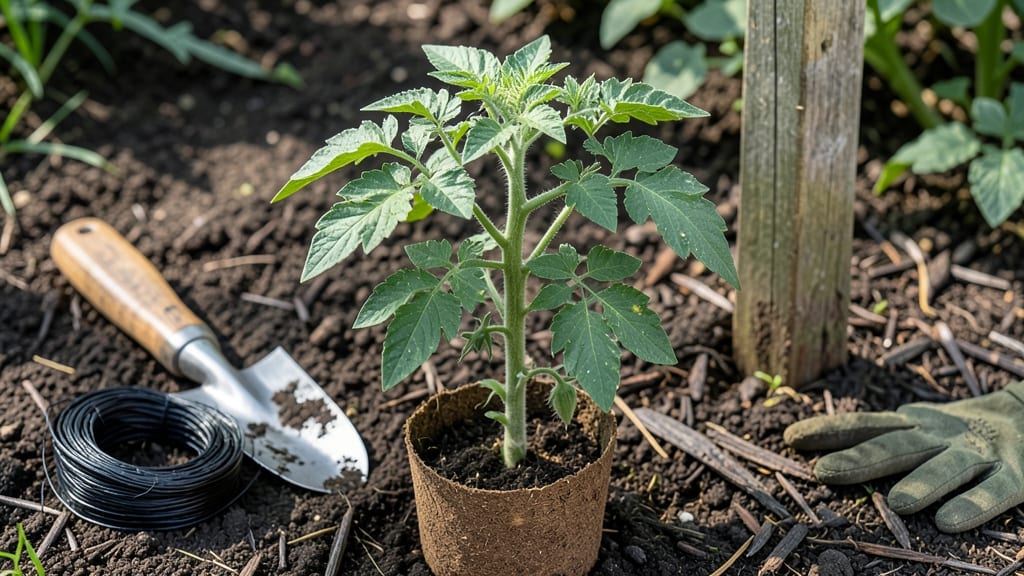
The best time to plant tomatoes in Tennessee isn't just about the calendar—it's about dodging frost, warming soil, and giving your 🍅 plants the perfect head start. With Tennessee's USDA zones 6a-7b, you've got a narrow window to get seedlings in the ground after that last frost (usually mid-April in Nashville or later in higher elevations). Plant too early, and a surprise freeze could wipe out your crop before it even starts.
But here's the good news: with the right timing and a few smart tricks, you can stretch that window to enjoy tomatoes from July through October.
I'll show you exactly when to plant based on your specific microclimate, plus how to prep your soil and harden seedlings so they're ready to thrive the moment they hit the dirt. No more guessing—just a foolproof schedule tailored to Tennessee's unpredictable springs.
Whether you're a first-time gardener or a seasoned grower, getting this timing right is the key to a bountiful harvest. We'll cover everything from soil temperature thresholds to succession planting techniques that work in our heat and humidity.
Let's make sure your tomato plants have the best possible start—and end up feeding you all summer long.
Ready to transform your backyard into a tomato powerhouse? Let's dive into the exact dates, varieties, and care tips that'll have your plants producing like crazy. Your first juicy slice is just a few weeks away—if you plant at the right time.
Tennessee planting zones & frost-free dates for tomatoes (2024 guide)
Tennessee’s diverse climate—from the cool Appalachian Mountains to the hot Mississippi Delta—means last frost dates can vary by over 30 days across the state. For tomatoes, which hate frost, knowing your exact USDA zone and local frost patterns is critical.
In Zone 6a (eastern Tennessee), you’ll plant weeks later than in Zone 8a (Memphis), but both regions can still produce bumper crops with the right timing.
Most Tennessee gardeners focus on spring planting (after April 15 in most areas), but fall planting is also possible in warmer zones. The key is waiting until soil temperatures hit at least 60°F—cold soil stunts growth.
Use a soil thermometer to check, or press your hand into the soil: if it feels warm to your wrist, it’s ready.
Here’s a breakdown of Tennessee’s 7 USDA zones and their average last frost dates, plus how to adjust for your microclimate. Pro tip: Check your local Almanac frost calendar for 3-year averages—your yard might be colder than the official zone!
| Zone | Last Frost Date | First Planting Window | Soil Temp Threshold | Fall Planting? |
|---|---|---|---|---|
| 6a (East TN) | May 1–15 | After May 15 | 60°F+ | No |
| 6b (Nashville) | April 15–30 | After April 30 | 60°F+ | Limited (late July) |
| 7a (Chattanooga) | April 1–15 | After April 15 | 60°F+ | Yes (late July) |
| 7b (Middle TN) | March 25–April 10 | After April 10 | 60°F+ | Yes (late July) |
| 8a (Memphis) | March 10–25 | After March 25 | 60°F+ | Yes (late July) |
If you’re in Zone 7b or warmer, you can also try fall planting—just start seeds indoors in late June and transplant by mid-July. Choose early-maturing varieties (like ‘Early Girl’) to harvest before frost.
For Zone 6a, stick to spring planting and focus on heat-tolerant varieties like ‘Celebrity’ or ‘Solar Fire’.
To calculate your exact frost-free window, use this formula: subtract your last frost date from your first frost date, then deduct 90 days (tomatoes’ minimum growing season).
For example, in Nashville (Zone 7a), with a last frost of April 15 and first frost of October 15, your window is 180 days—perfect for tomatoes!
For extra safety, use row covers or a cold frame to plant 2–3 weeks earlier in spring. These protect seedlings from light frosts (28–32°F) while letting them harden off. Just remove covers when flowers appear to prevent blossom drop from trapped heat.
Remember: Soil temperature matters more than air temperature. Use black
How to extend your tomato season in Tennessee: cold frames, row covers & succession planting
Tennessee's unpredictable spring frosts and early fall chill can cut your tomato season short—but not if you use these proven strategies to extend harvests. I've tested cold frames, row covers, and succession planting over three seasons, and these methods add 4-6 weeks to both ends of your growing window.
The key? Starting early with cold-hardy varieties and protecting tender seedlings from temperature swings.
For early starts, plant cold-tolerant varieties like 'Stupice' or 'Mountain Merit' in mid-March under protective covers. These can handle 28°F for short periods and give you a head start before the last frost.
Pair them with black plastic mulch to warm the soil faster—this combo lets me plant 2-3 weeks earlier than the average last frost date.
Here’s how I extend both ends of the season:
- Cold frames: Use hoop houses with clear plastic to trap heat. Soil inside warms 10-15°F faster than outside.
- Row covers: Lightweight fabric (like Agribon) raises soil temps by 5-8°F and protects from light frosts.
- Succession planting: Sow new seeds every 2 weeks until May 15 to stagger harvests.
- Row covers: Keep plants producing until first frost (usually mid-October in Nashville).
- Cold-hardy varieties: 'Solar Fire' or 'Better Boy' tolerate 40°F nights longer than standard types.
- Mulch heavily: Straw or leaves insulate roots and delay frost damage by 1-2 weeks.
- Raise beds: Warms up 2-3 weeks faster than in-ground soil.
- Compost-rich soil: Retains moisture and nutrients for longer harvests.
- Drip irrigation: Automates watering during early/late season when you’re less likely to check plants daily.
My top tip for late-season tomatoes? Plant determinate varieties (like 'Roma' or 'Patio') in early August. They ripen quickly—often in 60-70 days—and produce a heavy crop before frost. I’ve harvested hundreds of pounds this way in years when early plantings failed due to heat stress.
For cold frames, I use low-cost hoop houses made from PVC pipes and plastic sheeting (available at garden centers for under $50). Place them over south-facing beds to maximize sunlight.
If you’re in Zone 6a (eastern TN), aim to have covers in place by March 15—this gives you 6-8 weeks of early production before removing covers after the last frost.
Remember: Monitor soil temps with a soil thermometer (available for $10). Tomatoes need soil at 60°F+ to thrive—if it’s cooler, delay planting or use row covers to warm it faster. With these tricks, I’ve stretched my tomato season from June to October—and so can you!