
Plants
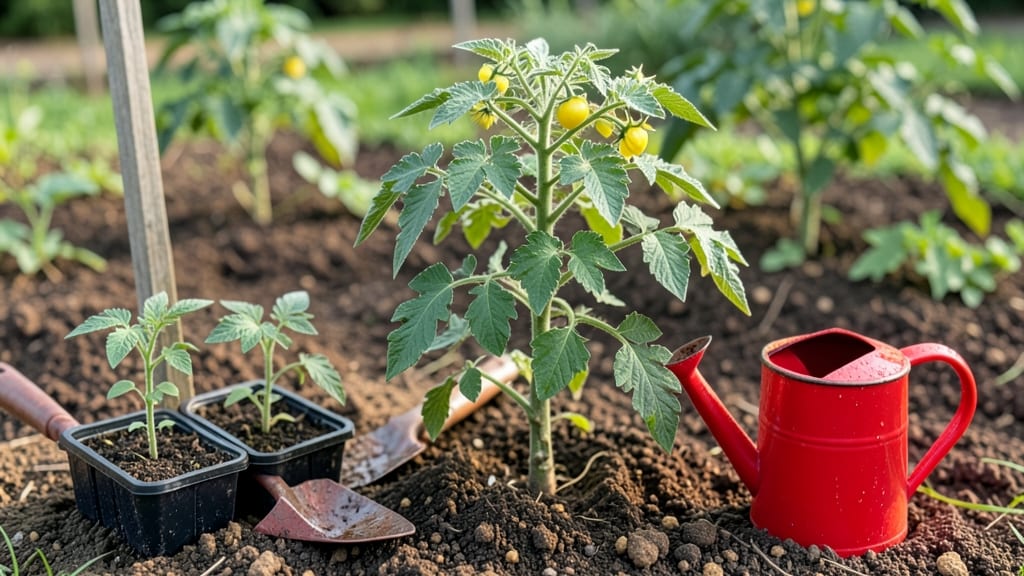
Timing when is the best time to plant tomatoes in Texas wrong could mean the difference between a bountiful harvest and total crop failure—especially when brutal summer heat or unexpected frosts are lurking around the corner.
If you’ve ever watched your seedlings wilt in 50°F soil or bolt prematurely in June, you know how critical getting the window right really is.
Here’s the secret: Texas gardeners in zones 8a-10b need to plant when soil temperatures hit 60°F and nighttime lows stay above 50°F—a narrow sweet spot that varies wildly from North to South Texas.
Whether you’re in the Panhandle or the Rio Grande Valley, I’ll break down the exact months and soil prep tricks to avoid common mistakes and maximize your 🍅 harvest from June to October.
Ready to ditch the guesswork? You’ll discover how to stretch your growing season with succession planting, pick heat-resistant varieties, and even troubleshoot soil issues that derail most Texas gardens. Let’s get those tomatoes thriving—without the trial and error.
From frost dates to trellis setups, I’ve got the game-changer tips you need to turn your backyard into a tomato powerhouse. No more wasted seeds or shriveled fruit—just juicy, vine-heavy harvests all season long.
Texas tomato planting calendar: exact soil temps to avoid bolting and frost
Texas’s diverse climate zones mean your tomato planting window depends on whether you’re in North, Central, or South Texas. The golden rule? Plant when soil temps hit 60°F and nighttime temps stay above 50°F—any earlier, and frost zaps seedlings; too late, and scorching heat triggers bolting (premature flowering).
Let’s break down the exact windows by region.
For North Texas (USDA Zones 7b-8a), like Dallas or Fort Worth, your last frost date typically falls between February 15 and March 1. This means your ideal planting window is mid-February to early April.
Wait until your soil thermometer reads at least 60°F—cold soil delays germination and weakens seedlings.
In Central Texas (Zones 8a-8b), including Austin and San Antonio, you’ve got a longer window: January to early March. Soil warms faster here, but January plantings risk late frosts. Use row covers or wait until mid-February for safer germination.
South Texas (Zones 9a-10b), like Houston or Corpus Christi, enjoys the earliest and longest tomato season. You can start as early as January, but February to March is ideal. The real trick? Shade cloth in peak summer (June–August) to prevent sunscald on fruit.
| Region | Last Frost Date | Ideal Planting Window | Soil Temp Threshold | Key Risk |
|---|---|---|---|---|
| North Texas | Feb 15–Mar 1 | Mid-February to early April | 60°F+ | Late frost |
| Central Texas | Feb 1–Feb 15 | January to early March | 60°F+ | Heat stress |
| South Texas | Jan 15–Feb 1 | January to March | 65°F+ | Sunscald |
Pro tip: Use a soil thermometer to track temps—50°F–60°F is the sweet spot for germination, while 70°F+ speeds up growth. If your soil runs cold, try black plastic mulch or straw bales to warm it faster.
For fall plantings (a Texas secret!), aim for late July to early August in North/Central Texas. South Texas can extend this to September. Choose heat-tolerant varieties like ‘Heatmaster’ or ‘Solar Fire’ to avoid bolting before harvest.
Remember: Container gardening gives you flexibility. Move pots to shadier spots in summer or warmer spots in spring to fine-tune your planting window. Just ensure containers have drainage holes—tomatoes hate soggy roots.
Finally, succession planting every 2–3 weeks after your initial window ensures a continuous harvest. Plant fast-maturing varieties (like ‘Early Girl’) first, then larger-fruited types (like ‘Brandywine’) later.
With these exact soil temps and regional windows, you’ll dodge frost, avoid bolting, and enjoy homegrown tomatoes from spring to fall. Happy planting! 🌱
How to extend your Texas tomato season: stagger planting and heat-tolerant varieties
Texas’s short growing season can feel like a race against the clock—especially when summer heat arrives early and pushes tomatoes to bolt before they ripen. The key to a longer harvest isn’t just planting once; it’s staggering your plantings every 2-3 weeks to spread out fruit production.
This way, you’ll have ripe tomatoes from June through October instead of a single, overwhelming flush in July.
Start your first batch of seedlings indoors in January (for South Texas) or February (for North Texas), then transplant them into the garden once soil temps hit 60°F. Follow up with 2-3 more plantings spaced 2 weeks apart.
For example, if your first batch goes in early March, your last planting should happen by mid-April to avoid the brutal June heat.
But timing alone won’t cut it—you also need heat-tolerant varieties that thrive when temps soar above 90°F. Varieties like ‘Heatmaster’ and ‘Solar Fire’ are bred to handle Texas’s intensity, producing fruit even when other plants wilt.
These varieties also resist blossom drop, a common issue when daytime highs spike.
- ‘Heatmaster’ – Holds up to 100°F+ with minimal stress; great for South Texas.
- ‘Solar Fire’ – Disease-resistant and productive in extreme heat; ideal for Central Texas.
- ‘Arkansas Traveler’ – Classic heirloom that thrives in North Texas’s shorter season.
- ‘Celebrity’ – Reliable performer in containers or in-ground; tolerates heat better than most hybrids.
- ‘Mountain Merit’ – Resistant to cracking and heat stress; perfect for beginners.
Don’t overlook mulching as your secret weapon. A 2-3 inch layer of straw or black plastic mulch keeps soil temps stable, reduces water loss, and suppresses weeds.
In my garden, mulch has extended my harvest by 2-3 weeks because it prevents the soil from overheating during the day or cooling too much at night.
For container gardeners, choose determinate varieties like ‘Patio’ or ‘Tiny Tim’, which produce fruit in compact bushes. These are perfect for balconies or patios where space is limited, and they ripen faster than indeterminate types. Just
Finally, keep an eye on your plants’ watering needs. Deep watering in the morning (1-2 gallons per plant) encourages strong roots and prevents blossom-end rot. Avoid wetting the leaves to reduce fungal diseases like early blight, which thrives in Texas’s humid summers.
With these strategies, you’ll turn Texas’s heat into your advantage—producing tomatoes long after most gardens have given up. The secret? Stagger, shade, and stay consistent. 🍅