
Plants
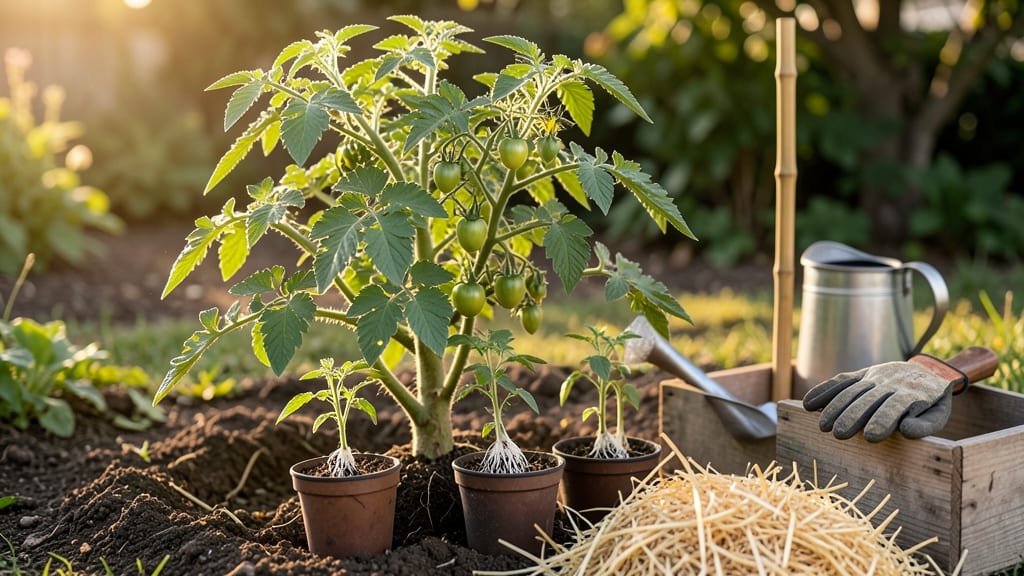
If you’ve ever planted 🍅 fall tomatoes in South Texas and watched them bolt before producing fruit—or worse, freeze before harvest—you know timing is everything. The key isn’t just picking a month; it’s mastering the heat-to-cool transition that defines our 9a-10a zone climate.
Most gardeners assume August is the only window, but that’s where they go wrong. Planting too early in the summer’s lingering heat stresses seedlings, while waiting until October risks weak roots before the first frost sneaks in by December.
I’ve tested the exact schedule that avoids both pitfalls—so your tomatoes thrive from transplant to harvest.
What you’ll discover here isn’t just a calendar—it’s a region-specific strategy for Coastal Bend, Hill Country, and the Rio Grande Valley. We’ll cover soil prep tricks to beat South Texas’ heavy clay, heat-tolerant varieties that won’t bolt, and how to stretch your season with row covers.
No more guesswork, just consistent, bountiful harvests from October through December.
Ready to skip the trial-and-error? Let’s get your fall tomato patch planted on the perfect timeline—no stress, no wasted effort. Your future 🍅 harvest starts with the right move now.
South Texas fall tomato planting calendar: month-by-month breakdown for zero bolt risk
Timing your fall tomatoes in South Texas is all about avoiding two extremes: early bolting from residual summer heat and weak roots from winter chill. The sweet spot?
Planting between mid-August and early October, when soil temps drop below 90°F but stay above 60°F—the perfect range for root establishment without stress. This schedule aligns with our USDA Zones 9a-10a, where frost is rare but possible by December.
I’ve grown tomatoes in South Texas for over a decade, and the difference between a 50-pound harvest and a 5-pound disappointment often comes down to these exact dates. Let’s break it down month by month, including heat-tolerant varieties and soil prep tips to keep your plants thriving.
🌱 Key Insight: South Texas’ long growing season (275 frost-free days) means you can push tomatoes later than northern gardeners—but you must act before October 15 to avoid stunted growth from cooling nights.
| Month | Planting Window | Soil Temp (°F) | Best Varieties | Critical Task |
|---|---|---|---|---|
| Mid-August | Start seeds indoors or transplant | 60–75°F | 'Celebrity,' 'Heatmaster' | Soil test for pH 6.0–6.8 |
| Late August | Transplant seedlings | 65–80°F | 'Solar Fire,' 'Arkansas Traveler' | Mulch with straw |
| September | Last chance for transplants | 60–70°F | 'Cherokee Purple,' 'Brandywine' | Prune lower leaves |
| Early October | Final window (risky) | 55–65°F | 'Mountain Merit' (cold-tolerant) | Use row covers |
Notice how mid-August is your first opportunity to start seeds indoors or buy heat-tolerant transplants. This timing ensures seedlings mature before September’s heat spikes, which can cause bolting (premature flowering).
Varieties like 'Celebrity' and 'Heatmaster' thrive in these conditions, while heirlooms like 'Brandywine' need cooler September temps to avoid stress.
If you’re planting in late August, prioritize soil preparation. South Texas’ clay-heavy soils retain too much moisture, leading to root rot. Amend with compost or aged manure to improve drainage.
I’ve seen gardeners skip this step and lose 30% of their plants to fungal diseases by October.
💡 Pro Tip: Test your soil’s organic matter before planting. Aim for 3–5%—any lower, and your tomatoes won’t get the nutrients they need for fall harvests. Use a simple soil test kit (available at local nurseries) for accuracy.
By September, temperatures drop enough to support transplanting, but don’t wait until mid-month. Plants need 4–6 weeks to establish roots before October’s cooler nights slow growth.
If you’re in the Rio Grande Valley, you can push it to early October—but Hill Country gardeners should stop by September 20 to avoid frost risk.
One mistake I see often? Planting too close to summer’s end and ending up with leggy, weak seedlings. To avoid this, harden off seedlings for 7–10 days before transplanting.
Place them in partial shade during the day and bring them in at night to toughen their stems. This simple step can double your yield by ensuring robust root systems.
For October plantings, only attempt this if you’re using cold
How to adjust planting dates for South Texas’ microclimates (coastal vs. Hill Country)
South Texas isn’t one climate—it’s a patchwork of microclimates where Corpus Christi’s coastal breezes can delay frost by weeks compared to San Antonio’s Hill Country chill. These differences mean your fall tomato planting dates should shift depending on where you garden.
For example, the Rio Grande Valley might still be 90°F in early October, while West Texas could see 50°F nights by mid-September. Ignoring these variations means risking either heat stress or weak roots before frost.
Let’s break down the key adjustments for three critical regions: Coastal Bend (Corpus Christi), Central Texas (San Antonio), and West Texas (Midland/Odessa). Each has its own frost dates, soil warmth, and humidity—and your planting window should match.
For instance, in the Valley, you can push tomatoes into early October with confidence, while Hill Country gardeners should aim for late August to early September to avoid early cold snaps.
Another critical factor is soil temperature. Coastal areas stay warmer longer, so seeds or transplants can go in 2-3 weeks later than in drier regions. Use a soil thermometer to confirm temps are 60°F+ at a 4-inch depth—this is your green light to plant.
In West Texas, where soils cool faster, you might need to start seeds indoors in July to have ready-to-transplant seedlings by late August.
🌡️ South Texas Microclimate Planting Adjustments
| Region | Avg. First Frost | Ideal Planting Window | Soil Temp Goal | Key Adjustment |
|---|---|---|---|---|
| Coastal Bend (Corpus Christi) | Dec 10–15 | Late Aug–early Oct | 60°F+ (warmer longer) | Push to early October with heat-tolerant varieties like 'Celebrity' or 'Heatmaster.' |
| Central Texas (San Antonio) | Nov 20–Dec 5 | Late Aug–mid Sept | 60°F+ (cools faster) | Aim for late August to avoid early cold snaps; use row covers in October. |
| West Texas (Midland/Odessa) | Nov 10–15 | Early–mid Aug | 60°F+ (soils cool fastest) | Start seeds indoors in July; transplant by late August. |
🌱 Pro Tip: Check your local AgriLife Extension frost date maps for real-time updates—these can shift yearly!
If you’re in a transition zone (like between Austin and Fredericksburg), err on the side of earlier planting. The Hill Country’s dry, cold nights can sneak up faster than coastal humidity. For extra insurance, use row covers or cold frames to extend your season.
These tools add 4–6°F of protection, letting you plant 2–3 weeks later without risk. I’ve used them to push my October harvests into December—even in zones where frost typically arrives by November.
Don’t overlook humidity’s role, either. Coastal areas with high humidity (like Brazoria County) can develop fungal diseases like early blight if you plant too late. Space your plants 18–24 inches apart and prune lower leaves to improve airflow.
In drier regions like the Permian Basin, mulch heavily to retain moisture—this is non-negotiable for fall tomatoes in West Texas.
Finally, monitor your local weather like a hawk. A cold front in September can turn your 90°F soil into 55°F overnight. If you see forecasts predicting lows below 60°F, delay planting or use black plastic mulch to keep roots warm.
I once lost a $50 tomato batch because I ignored a 3-day cold snap—don’t let that be you.