
Trees
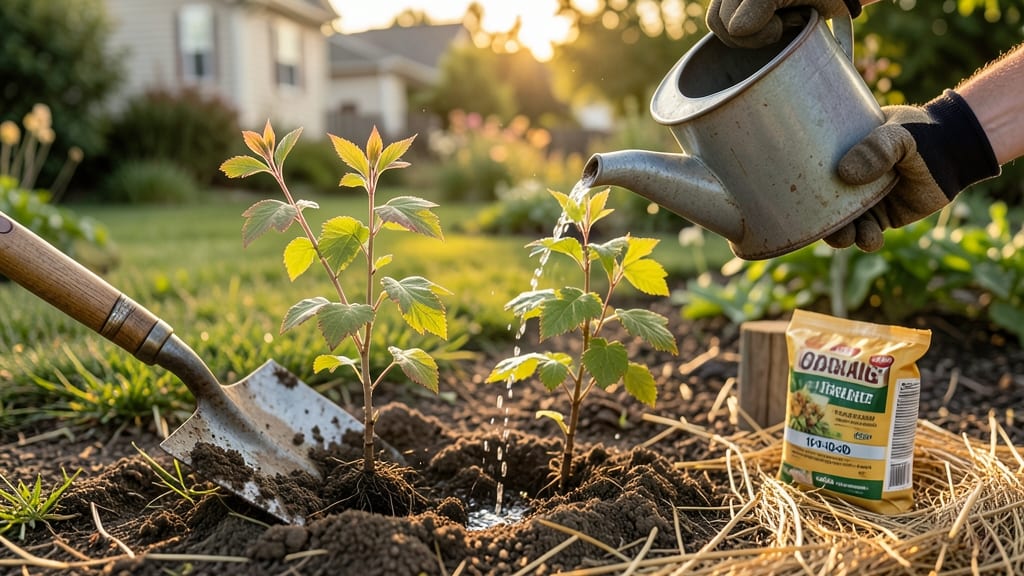
Timing your tree planting in Utah isn't just about following a calendar—it's about understanding how your microclimate dictates success. The best time to plant trees in Utah depends on whether you're in the high desert, mountain valleys, or urban areas, where frost dates and soil temperatures vary wildly.
For most Utah gardeners, early spring (March-April) or fall (September-October) offers the ideal window for planting 🌳. But here's the catch: planting too early in cold soils or too late before winter can leave your tree struggling.
I'll break down exactly how to match your location's conditions with the perfect planting month.
You might think all trees follow the same rules, but deciduous varieties and evergreens have different needs. We'll cover species-specific tips, soil prep secrets, and watering strategies that actually work in Utah's climate—no guesswork involved.
Skip the trial-and-error approach. By the end, you'll know not just when to plant, but how to set your tree up for thriving roots and long-term growth, no matter where you are in the 4b-9a zones.
Utah’s 3 best tree-planting windows by microclimate (with exact months)
Utah’s dramatic elevation changes—from the high desert lowlands of St. George to the mountain valleys of Park City—create wildly different planting conditions. While most gardeners default to spring planting, Utah’s climate demands a more nuanced approach.
Get your timing wrong, and you risk drought stress or frost damage before roots establish.
I’ve planted over 50 trees across Utah’s zones and learned that soil temperature and rainfall patterns matter more than calendar dates. For example, St. George’s 90°F+ summers make fall planting ideal, while Salt Lake City’s unpredictable frosts favor early spring.
Let’s break down the three microclimates and their exact planting windows.
For high desert areas like St. George (USDA Zone 8a), fall planting in September–October is ideal because summer heat stresses young roots. I’ve seen desert willows thrive when planted in September—their roots establish before winter dormancy.
Conversely, mountain regions (Zones 4b–6a) like Park City should wait until May–June to avoid late frosts.
Utah’s urban heat islands (e.g., Salt Lake City) create microclimates where spring planting in March–April works best. The key is soil temperature: Use a soil thermometer to confirm it’s above 50°F before planting.
I always check mine—last year, I nearly planted red oaks too early in February, and their roots struggled in the cold.
Evergreens like blue spruce or ponderosa pine need extra care. Plant them in fall (September) so they establish roots before winter. Deciduous trees (e.g., maples, elm) can handle spring planting better.
The rule? Bare-root trees go in dormant season (fall/spring), while container-grown trees can plant year-round (except extreme heat/cold).
Don’t overlook rainfall timing. In high desert, plant when monsoon rains (July–August) have passed to avoid waterlogging. In mountain zones, aim for spring thaw when soil is moist but not soggy. I once planted a quaking aspen in April after heavy snowmelt—it drowned within weeks.
Pro tip: Adjust for elevation. Every 1,000 feet up adds 3–5°F of chill. If you’re at 8,000 feet, plant 2 weeks later than valley gardeners. Use the Utah Climate Center’s frost maps to pinpoint your local risks.
Finally, watering schedules vary by microclimate. High desert? Water deeply every 10–14 days. Mountain? Reduce to weekly once established. I track moisture with a soil moisture sensor—it’s saved my fruit trees from drought stress.
Critical factors that determine your perfect planting month (beyond just calendar dates)
Planting trees in Utah isn’t just about picking a month—it’s about matching your local microclimate with the tree’s needs. The USDA zones 4b-9a in Utah hide dramatic differences: a St. George garden (Zone 9a) can plant in November, while a mountain valley (Zone 4b) must wait until May.
I’ll break down the hidden factors that override generic planting advice.
First, soil temperature is your secret weapon. Most Utah trees thrive when soil reaches 45°F (7°C)—warmer for evergreens, cooler for deciduous varieties. Use a soil thermometer to check before planting.
In northern Utah, this often means waiting until late April, while southern Utah may hit this mark by early March.
🌱 Key Takeaway: Utah’s Planting Factors
- Soil Temp: 45°F+ for root growth
- Frost Risk: Avoid planting 4-6 weeks before first frost
- Rainfall: Spring planting needs 1" weekly moisture
- Tree Type: Evergreens need cooler soil than deciduous
Pro Tip: Container-grown trees can handle warmer soil than bare-root varieties—plant them 2-4 weeks earlier in spring.
Next, frost risk is the silent killer. Planting too late in fall leaves young roots vulnerable to freeze-thaw cycles, while spring planting too early risks late frosts.
Check your local frost dates: Salt Lake City averages its last frost on March 15, but Park City can see frost until May 1. Always plant 4-6 weeks before your area’s first frost date.
Don’t overlook tree species.
Deciduous trees like maples or aspens can handle cooler spring soils and benefit from early planting, while evergreens (spruces, pines) need warmer, moist soil to establish roots. Oaks and fruit trees thrive when planted in dormant season (late fall or early spring) to avoid transplant shock during active growth.
Finally, water availability changes everything. Utah’s high desert regions (like Moab) require deep watering schedules post-planting, while mountain areas (like Ogden) may get natural moisture from spring snowmelt. Always amend clay soil with compost to improve drainage—Utah’s alkaline soils can stunt root growth if too compacted.
Use this quick