Trees
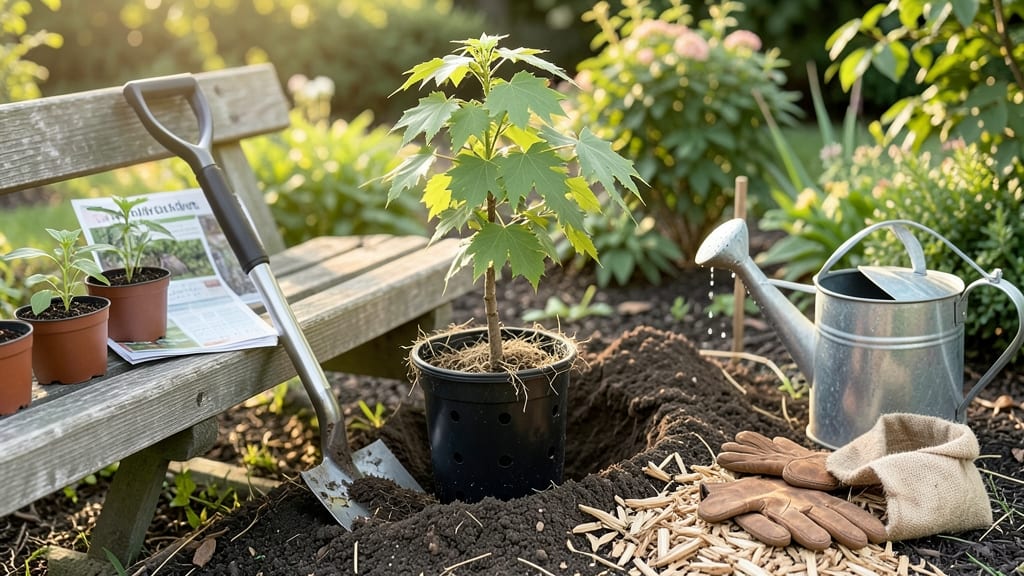
The best time to plant trees in Wisconsin isn’t just about picking a date—it’s about reading your soil like a weather forecast. Get it wrong, and your young saplings could struggle through frost or dry spells, leaving you with stunted growth instead of the thriving 🌱 canopy you imagined.
Wisconsin’s climate throws curveballs with its unpredictable frost dates, making timing more critical than you’d think. Plant too early, and roots freeze before they establish; too late, and trees enter dormancy before settling in.
The secret lies in soil temperatures—40-50°F is the sweet spot—and knowing when your region’s last spring frost has passed.
I’ve dug into the data (yes, literally) to break down the optimal 6-week window for planting, whether you’re working with bare-root or container-grown trees.
From Southern Wisconsin’s milder zones to the colder North, we’ll cover what works—and what doesn’t—so you can give your trees the best shot at survival and growth.
Ready to plant with confidence? Let’s cut through the guesswork and get your trees off to the strongest start possible—no frostbite required.
Wisconsin’s ideal tree planting window: soil temperature & frost-date rules
Wisconsin’s USDA hardiness zones 3-5 mean frost dates vary wildly—from mid-April in southern WI to late May in the Northwoods. But frost dates alone don’t tell the full story. The real magic happens when soil temperatures reach 40-50°F, signaling roots can actively grow without freezing.
This window typically opens in late April to early May for most of the state.
For container-grown trees, you’ve got a 6-week grace period after that last frost date. Bare-root trees? Plant them as soon as soil is workable—usually 2-3 weeks before your average last frost.
The goal is to give roots 4-6 weeks of warm soil before winter dormancy kicks in. Northern WI gardeners often wait until May 15-June 1 to play it safe.
Fall planting (September-October) is equally critical—aim for 6 weeks before first frost. In southern WI, that’s mid-September; up north, it stretches to early October.
Fall-planted trees establish roots before winter, giving them a 2-year head start on spring growth. Just avoid planting when soil temps drop below 40°F.
Here’s the golden rule: Check soil temps with a soil thermometer (or dig down 6 inches—if it’s cool to the touch, wait). Wisconsin’s variable microclimates mean your neighbor’s perfect timing might be too early/late for your yard. Urban areas warm up faster than rural spots, so adjust accordingly.
🌱
🌱 Wisconsin Tree Planting Timeline
| Season | Ideal Planting Window | Soil Temp Requirement | Key Considerations |
|---|---|---|---|
| Early Spring | Late April - Early May (Southern WI) / May 15-June 1 (Northern WI) | 40-50°F (6" deep) | Bare-root trees only; avoid frost risk |
| Fall | Mid-Sept (Southern WI) / Early Oct (Northern WI) | Above 40°F | Best for container-grown; 6 weeks before frost |
| Extended Spring | June 1-15 (with protection) | 50°F+ consistently | Use frost blankets; water deeply |
🌡️ Pro Tip: Northern WI gardeners should prioritize fall planting—spring windows are often too short for root establishment.
Wisconsin’s regional differences demand flexibility. Southern counties (like Dane or Walworth) can plant 2-3 weeks earlier than northern areas (Bayfield or Douglas County). Always check local frost data from the UW Extension or National Weather Service.
Their 30-year averages are more reliable than your neighbor’s “I planted mine in April” advice.
Container-grown trees offer more planting flexibility—you can push the envelope into late May or early June if you water deeply and use mulch blankets.
But bare-root trees? Stick to the early spring window or risk root desiccation from late planting. Think of it like scheduling surgery: timing affects recovery.
One common mistake is planting when soil is still frozen or waterlogged. Test with your finger—if it’s cool and damp, wait. Aim for loamy, slightly moist soil that crumbles easily. Amend heavy clay with compost or sand to improve drainage, especially in low-lying areas where cold air pools.
🌳
For large trees (over 15 gallons), Wisconsin’s 6-week rule expands to 8 weeks. These giants need extra time to recover from transplant shock. Stake them only if necessary—over-staking causes girdling.
And always prune damaged roots at planting to encourage new growth. The root-to-shoot ratio is your secret weapon against winter stress.
Remember: Wisconsin’s unpredictable weather means your planting window might shrink. Keep a soil thermometer handy and monitor 7-day forecasts. If a late frost is predicted, delay planting or use frost cloth. Patience now means a healthier tree in 5 years—not a sapling struggling to survive.
Best trees to plant in Wisconsin by season: matching species to timing
Wisconsin’s two ideal planting seasons—early spring and fall—offer distinct advantages for different tree species. While fall planting (September-October) often yields stronger root establishment, spring planting works better for drought-sensitive varieties that need immediate moisture. Let’s match the right trees to the right timing for your Wisconsin landscape.
Native oak and hickory trees thrive when planted in fall, giving their roots time to establish before Wisconsin’s harsh winters. These species benefit from cooler temperatures, which reduce transplant shock. Meanwhile, maples and birches adapt well to both seasons but prefer spring planting in Northern Wisconsin’s colder zones (4a-5a).
For coniferous evergreens like pine and spruce, fall planting is ideal—these trees establish roots before dormancy sets in. However, avoid planting drought-sensitive species like willows or poplars in late summer, as Wisconsin’s dry spells can stress young roots before winter.
| Tree Type | Best Planting Season | Wisconsin Zones | Root Est. Time |
|---|---|---|---|
| Oak (White/Red) | Fall (Sept-Oct) | 4b-6a | 6-8 weeks |
| Maple (Sugar/Red) | Spring or Fall | 3b-5b | 4-6 weeks |
| Pine (White/Red) | Fall (Sept-Oct) | 3a-6b | 5-7 weeks |
| Birch (Paper/Yellow) | Spring (April-May) | 2b-5a | 3-5 weeks |
If you’re planting in Southern Wisconsin (zones 5b-6a), you’ve got more flexibility—spring planting works well for most species. But in Northern Wisconsin (zones 3b-4b), prioritize fall planting to avoid early frosts damaging tender new roots.
Always check UW Extension’s frost date maps for your specific county before digging in.
Pro tip: Container-grown trees can be planted up to 2 weeks later than bare-root varieties, giving you extra wiggle room in Wisconsin’s short growing seasons. Just be sure to water deeply after planting—even native species need consistent moisture during establishment.
Remember, the goal is root establishment before dormancy. Whether you choose spring or fall, focus on soil prep and aftercare to give your trees the best chance to thrive in Wisconsin’s challenging climate. 🌳