
Plants
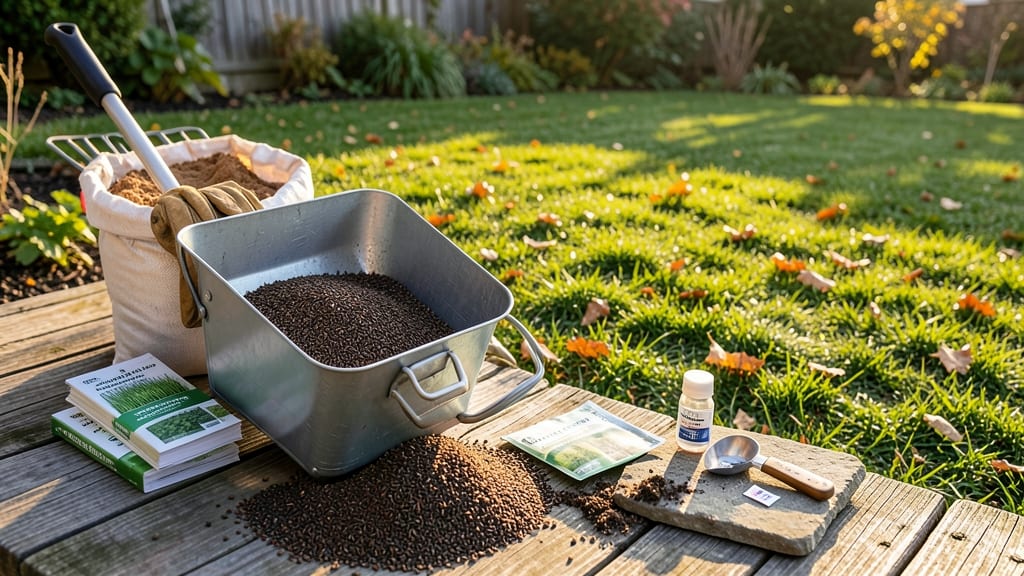
Planting grass seed in Michigan at the wrong time can mean the difference between a fast, vibrant lawn and weeks of frustration watching seeds wash away or freeze. With USDA zones 5b-6b and unpredictable weather, timing is everything—but getting it right is simpler than you think.
Most Michigan gardeners know spring and fall are the best seasons for 🌱 grass establishment, but the exact window varies by region. Whether you're in the Upper Peninsula or southern Michigan, planting too early risks frost damage, while waiting too long can leave your lawn vulnerable to weeds.
The key is understanding your local frost dates and soil temperatures.
In this guide, I’ll break down the best months for planting by region, plus critical factors like soil prep and seed selection to ensure your grass germinates quickly and stays lush. No more guesswork—just a fast, foolproof plan tailored to Michigan’s climate.
Ready to transform your patchy lawn into a green carpet? Let’s dive into the exact steps to time your planting perfectly and avoid common mistakes that slow down germination.
Michigan grass seed planting calendar: best months by region for fast germination
Michigan’s diverse climate means planting times vary dramatically from the Upper Peninsula to Southern Michigan. Cool-season grasses like Kentucky Bluegrass and Tall Fescue thrive when soil temperatures hover between 50°F and 65°F—perfect for early spring and fall.
In northern regions, wait until after the last frost (typically mid-April), while southern Michigan gardeners can start as early as late March.
For fast germination, aim to plant 4-6 weeks before the first frost (early fall) or 4-6 weeks after the last frost (early spring). This timing ensures seeds establish strong roots before extreme heat or cold sets in.
Michigan’s USDA zones 5b-6b add another layer—northern areas have shorter growing seasons, so fall planting becomes even more critical.
🌱
| Region | Ideal Planting Months | Soil Temp Requirement | Key Considerations |
|---|---|---|---|
| Upper Peninsula | Late April–Early May Mid-September–Early October |
50°F–60°F (spring) 55°F–65°F (fall) |
Shorter growing season; prioritize fall planting for root establishment before winter. |
| Northern Lower Peninsula | Early April–Mid-May Late August–Mid-September |
55°F–65°F (spring) 60°F–70°F (fall) |
Moderate climate; spring planting risks late frosts, while fall offers cooler temps for germination. |
| Southern Michigan | Late March–Early April September–Early October |
50°F–65°F (spring) 60°F–70°F (fall) |
Longer frost-free season; early spring planting possible if soil thaws early. |
In Southern Michigan, where frost dates are later, you can push the envelope by planting as early as late March—but only if the ground isn’t frozen. Use a soil thermometer to confirm temperatures are above 50°F at a 4-inch depth.
For the Upper Peninsula, focus on fall planting (mid-September to early October) to avoid the harsh winters and give seeds time to root before the ground freezes.
Pro tip: If you’re planting in early spring, cover seeds with a lightweight frost blanket if nighttime temperatures dip below 32°F to protect tender sprouts. This is especially useful in northern Michigan, where late frosts are common well into May.
For fastest germination, pair your planting with consistent moisture—watering daily for the first 2 weeks—and avoid walking on the lawn until the grass reaches 3–4 inches tall. This prevents seed displacement and ensures even growth.
💧
If you miss the ideal windows, don’t panic. Cool-season grasses can still germinate in late spring (May) or early fall (November), though growth may be slower. Just be prepared for weed competition during these off-times, so consider applying a pre-emergent herbicide after seeding to suppress weeds.
✅
5 Critical factors that determine the perfect planting time in Michigan
Timing your grass seed planting in Michigan isn’t just about picking a month—it’s about understanding five critical factors that make or break your lawn’s success. From soil temperature to seed type, each plays a role in whether your seeds germinate quickly or struggle to take root.
Let’s break down what truly matters for your region.
First, soil temperature is the #1 factor. Cool-season grasses like Kentucky Bluegrass and Tall Fescue (Michigan’s top choices) need soil temps between 50°F–65°F to germinate. If it’s colder, seeds may rot; if it’s hotter, they’ll dry out. Use a soil thermometer—it’s a game-changer for accuracy.
Next, frost dates dictate your window. Plant 4–6 weeks before the first frost (typically mid-September in southern Michigan, earlier in the north) or 4–6 weeks after the last frost (usually mid-April). Pro tip: Check the National Weather Service for your local frost predictions—don’t guess!
Don’t overlook rainfall patterns. Michigan’s spring showers can either help or hinder germination. Aim for planting when 1 inch of rain per week is forecasted, or be ready to water daily for the first 2 weeks.
A sprinkler on a timer saves you from remembering to water every morning.
Your seed type matters too. Cool-season grasses dominate Michigan lawns, but even within that group, Kentucky Bluegrass germinates faster in 55°F–65°F soil, while Fine Fescue tolerates cooler 40°F–50°F temps. Mixing seed types can extend your planting window—just adjust your expectations for growth speed.
Finally, soil prep sets the stage. Loose, well-aerated soil with a pH of 6.0–7.0 ensures seeds make contact with moisture and nutrients. Skip this step, and you’ll fight uneven germination.
Rake the area to a fine tilth (like crumbly cake mix) and cover seeds with ¼ inch of soil—no more, no less.
When you align these five factors, your grass seed will germinate in 7–14 days instead of weeks. Miss even one, and you’re gambling with your lawn’s future. Ready to dive deeper? Here’s what to watch for in each Michigan region:
- 🌡️ Soil Temp: 50°F–65°F for cool-season grasses
- ❄️ Frost Window: 4–6 weeks before/after last frost
- 💧 Rainfall: 1" weekly or daily watering for 2 weeks
- 🌱 Seed Type: Kentucky Bluegrass (fast) vs. Fine Fescue (slow)
- 🔄 Soil Prep: pH 6.0–7.0, fine tilth, ¼" soil cover
Now that you know the science behind timing, let’s tackle the biggest mistakes Michigan gardeners make—and how to avoid them. Spoiler: Skipping soil prep or planting too early tops the list. Don’t let your lawn become another casualty of bad timing!