
Companion Plants
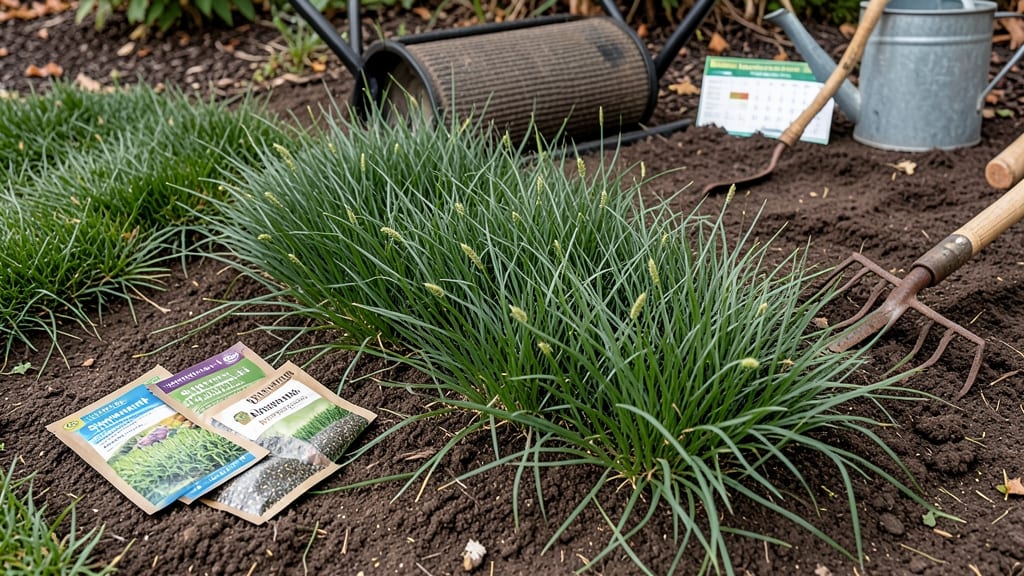
Planting grass seed in Michigan at the wrong time can turn your green dreams into a costly disappointment—especially when soil temperatures aren’t quite right. Whether you're in Zone 5b-6b or dealing with unpredictable spring weather, getting the timing down is the key to fast, lush germination.
The secret isn’t just checking the calendar; it’s understanding when your soil warms up enough to support those tiny seeds.
I’ve seen too many Michiganders rush into planting too early, only to watch their seeds wash away or rot in cold, damp soil. Or worse, wait too long and miss the ideal window for strong root establishment.
The good news? With the right soil temperature guide, you can avoid these mistakes and get your lawn off to a flying start—whether you’re seeding in spring or fall.
What you’re about to discover is how to read your soil’s temperature cues, adjust for regional differences (like northern vs. southern Michigan), and even salvage a late planting. We’ll break down the fastest ways to test soil readiness and the exact months that work best for your area—no guesswork required.
Ready to stop wasting seed and money? Let’s dive into the science-backed timing that’ll give you that thick, green carpet you’ve been dreaming of—without the trial and error.
Best soil temperature ranges for planting grass seed in Michigan
Michigan’s cool to moderate climate means timing your grass seed planting based on soil temperature, not just the calendar, is key. Ideal germination happens when soil stays between 50°F and 65°F—too cold or hot, and your seeds struggle or rot.
In Northern Michigan, this window is narrower than in Southern Michigan, so regional adjustments matter.
Most grass seed varieties—like tall fescue or Kentucky bluegrass—need consistent moisture and warmth to sprout. If soil is below 50°F, seeds may not germinate at all. Above 70°F, they risk drying out or developing fungal diseases.
Testing your soil’s temperature with a soil thermometer (or a reliable weather app) ensures you plant at the perfect moment.
Why does soil temperature matter so much? Grass seeds require active microbial activity in the soil to break down their outer layers and begin growth. Cold soil slows this process, while heat can overwhelm young seedlings.
In Michigan, this means spring and fall are your best bets—just not too early or late.
Here’s how to check your soil temperature: Insert a soil thermometer 2-3 inches deep (where seeds will be) and wait 30 seconds. Repeat at different spots in your yard for accuracy. Aim to plant when temps are consistently between 55°F and 60°F for 5-7 days—this signals it’s time.
Northern Michigan (USDA zones 4b-5a) has cooler soils longer, so focus on late April to early May for spring planting. Southern Michigan (zones 5b-6a) can start as early as mid-April or even late March in sheltered areas.
Fall planting works best in September across the state, as soils stay warm longer than in spring.
If you’re unsure about your region’s microclimate, observe nearby lawns. Healthy, newly sprouted grass in early spring or late summer is your cue that conditions are right.
For example, cool-season grasses like perennial ryegrass thrive in these temps, while warm-season grasses (like Bermuda grass) are rare in Michigan and need warmer soil.
Pro tip: Use a seed starter fertilizer when soil temps hit 50°F to give seeds a growth boost. This helps compensate for cooler conditions and speeds up germination by 2-3 weeks compared to planting without fertilizer.
One common mistake? Planting too early in March because the ground looks thawed. Soil temps can still be below 40°F at depth, leaving seeds dormant or vulnerable to frost heave (when freezing/thawing cycles push them out of the soil). Always prioritize soil temperature over air temperature.
For a quick reference, here’s what you need to know about soil temps and grass seed success in Michigan:
| Region | Ideal Soil Temp Range (°F) | Best Planting Window | Grass Types |
|---|---|---|---|
| Northern Michigan | 55–60°F | Late April–Early May or September | Tall fescue, Kentucky bluegrass |
| Southern Michigan | 50–65°F | Mid-April–Late May or August–September | Fine fescue, Perennial ryegrass |
| Both Regions (Fall) | 50–60°F | Late August–Early October | All cool-season grasses |
Once you’ve nailed down the soil temperature, the next step is choosing the right planting month. Spring vs. fall each have unique advantages—spring gives seeds more time to establish before summer heat, while fall avoids competition from weeds and drought stress.
We’ll dive into the month-by-month breakdown next.
Remember: Consistency is key. Even if your soil hits the ideal temp for a few days, wait until it stays in the 50–65°F range for at least a week before planting. This ensures your grass seed gets the best possible start in Michigan’s unpredictable climate. 🌱
Michigan planting calendar: month-by-month grass seed timing guide
Michigan’s climate varies dramatically between Northern and Southern regions, so timing matters more than calendar dates. Early spring and early fall are your best windows, but frost dates and soil temps dictate the exact moment to plant.
In Northern Michigan (USDA Zone 5b), aim for late April to mid-September, while Southern Michigan (Zone 6b) can start as early as mid-March and extend to late October.
Spring planting is ideal because cool soil and warming air create perfect germination conditions. Fall planting works too—just finish by mid-September in the north or early October in the south to let roots establish before winter.
Avoid planting in summer heat, as seeds dry out too quickly, or late fall, when frost can kill tender seedlings.
📅 Month-by-Month Planting Guide for Michigan
- 🌱 March: Southern Michigan only—plant if soil reaches 50°F and frost risk is low.
- 🌱 April: Best for Northern Michigan (soil at 55°F+); Southern Michigan can start earlier.
- 🌱 May: Ideal for both regions—soil is warm, but not yet scorching.
- ⚠️ June-August: Avoid planting—heat and drought stress seeds; use fall instead.
- 🌱 September: Best fall window—plant 4-6 weeks before first frost (soil 60-65°F).
- 🌱 October: Southern Michigan only—plant by mid-October for root establishment.
✅ Pro Tip: Use a soil thermometer to confirm temps—don’t guess!
Adjust for microclimates—shady spots or low-lying areas stay cooler longer. If your yard is slow to warm, wait until late May instead of rushing in April. Similarly, southern Michigan’s earlier springs mean you can plant 2-3 weeks ahead of northern neighbors.
Watch for unpredictable frosts—even in spring, a late freeze can damage seedlings. Use row covers or wait until the average last frost date (check your USDA Zone map). In fall, 6 weeks before frost is the cutoff for most grass types to establish roots.
For cool-season grasses (like Kentucky Bluegrass or Fescue), fall planting often yields better results than spring. These varieties thrive with cool roots and warm air, so September’s 60-65°F soil is perfect. Warm-season grasses (like Bermuda) should only be planted in late spring when soil hits 70°F+.
Don’t forget to test your soil before planting—Michigan’s clay-heavy soils can compact easily. Amend with compost or sand if drainage is poor, and level the area to prevent water pooling. A little prep now saves months of patchy growth later. 🌱