
Plants
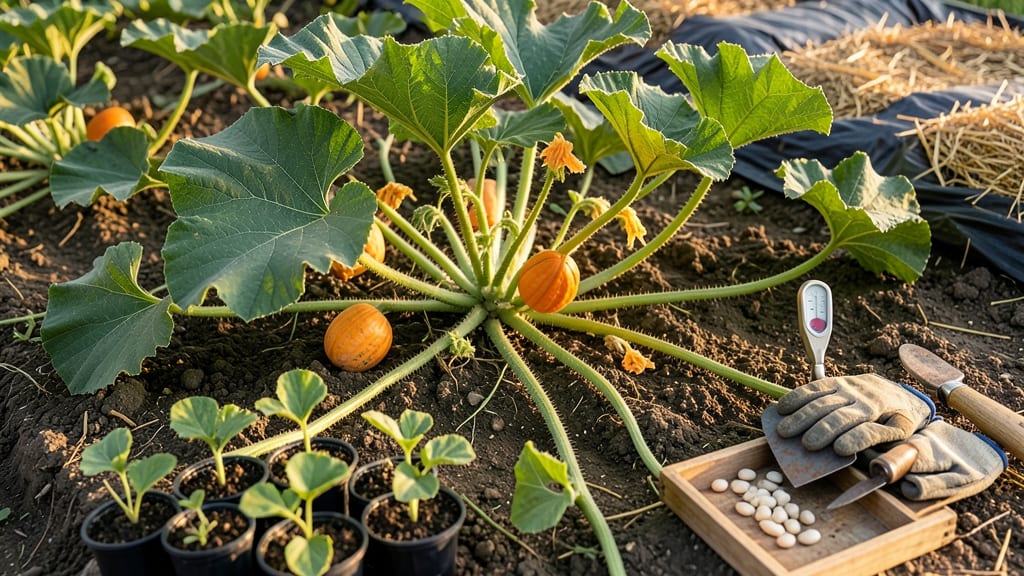
Planting pumpkins in Michigan’s 5b-6b zones isn’t just about timing—it’s about outsmarting frost, soil warmth, and your pumpkin’s 90-day growth window. Skip the guesswork, and you’ll go from eager gardener to jack-o’-lantern champion with vines sprawling 20+ feet by fall.
Here’s the truth: Michigan’s last frost can swing from mid-May in the north to early June in the south, leaving you with a 165-day frost-free window to work with.
Plant too early, and your seeds rot in cold soil; too late, and your 🎃 won’t mature before October’s chill sets in. The right timing isn’t just about dates—it’s about soil temperature, variety selection, and even microclimates in your backyard.
I’ll break down the exact mid-May to early June window you should target, plus how to adjust for early vs. late varieties. Whether you’re sowing seeds directly into warm soil or starting transplants indoors, these steps will help you dodge frost and grow pumpkins that outshine your neighbors’.
Ready to turn your garden into a pumpkin patch? Let’s dive into the zone-specific deadlines and pro tips that’ll keep your vines thriving—no matter where in Michigan you’re planting.
Michigan pumpkin planting deadlines by USDA hardiness zones (5-6)
Michigan’s USDA Zones 5b-6b mean your pumpkin planting window is tight—just 90-120 frost-free days to grow a full-sized fruit. Miss the mark, and you’ll end up with stunted vines or frost-damaged pumpkins.
The key? Planting after the last spring frost (usually mid-May) and choosing varieties that mature before the first fall frost (typically mid-October).
Northern Michigan (Zone 5b) has a shorter season, while southern Michigan (Zone 6b) enjoys a few extra weeks. Soil temperature is just as critical as air temperature—pumpkin seeds need 60°F+ soil to germinate.
Use a soil thermometer to check before planting. If your soil is still chilly, wait a few more days or use black plastic mulch to warm it faster.
Here’s the exact timeline for Michigan gardeners, broken down by zone and method:
| Zone & Method | Planting Window | Soil Temp Requirement | Last-Frost Buffer |
|---|---|---|---|
| Zone 5b (Northern MI) | Late May to early June | 60°F+ (15°C+) | Wait 2 weeks after last frost |
| Zone 6b (Southern MI) | Mid-May to late May | 60°F+ (15°C+) | Wait 1 week after last frost |
| Direct Sowing (Outdoors) | After soil warms to 60°F+ | 60°F+ (15°C+) | N/A (plant after frost) |
| Transplanting (Started Indoors) | Early May (harden off by mid-May) | 55°F+ (13°C+) | Transplant 2 weeks before last frost |
For direct sowing, drop seeds 1 inch deep in hills (not rows) spaced 4-6 feet apart. This mimics pumpkins’ natural sprawling habit and makes harvesting easier.
If you’re transplanting seedlings, start them indoors 4-6 weeks before your last frost date. Use biodegradable pots to avoid root disturbance when moving them outside.
Pro tip: Check Michigan State University’s frost date maps for your specific county—some areas (like Traverse City) frost later than Detroit. Local nurseries often have microclimate insights too.
For example, southern Michigan can sometimes squeeze in a second planting of fast-maturing varieties in early July for a late-season harvest.
If you’re in Zone 5b, prioritize 75-90 day varieties like ‘Jack Be Little’ or ‘Howden’. In Zone 6b, you can stretch to 90-100 days with ‘Cinderella’ or ‘Autumn Gold’.
Avoid long-season varieties like ‘Atlantic Giant’—they won’t mature in time. Succession planting every 2 weeks in May can give you a staggered harvest, but stop by June 15 to avoid overcrowding.
One common mistake? Planting too early when soil is cold. Seeds rot in 50°F soil, and even if they sprout, cool nights stunt growth. Use a soil thermometer—if it’s below 60°F, wait.
Patience now means bigger pumpkins later. For extra insurance, use row covers to protect young plants from unexpected late spring frosts.
Remember: Pumpkins need warmth to thrive. If your area has unpredictable weather (like northern Michigan), err on the side of planting later rather than earlier. A 2-week delay can save your crop from frost damage or powdery mildew, which thrives in cool, damp conditions.
🎃
Michigan pumpkin planting deadlines by USDA hardiness zones (5-6)
Michigan’s USDA zones 5b and 6b create a 3-week difference in your pumpkin planting window. In northern Michigan (zone 5b), aim for mid-May after the last frost, while southern Michigan (zone 6b) can start early to mid-May.
The key isn’t just the calendar date—it’s soil temperature (pumpkin seeds need 60°F+ soil to germinate).
Use Michigan State University’s frost date maps to pinpoint your local window. For example, Detroit (zone 6b) typically sees its last frost by May 10-15, while Traverse City (zone 5b) waits until May 25-30.
Planting too early risks rotten seeds in cold soil, while late planting may leave your pumpkins unripe by October’s first frost.
Here’s the golden rule: Count back 90-120 days from your expected first frost (usually mid-October) to determine your planting deadline. For zone 5b, that’s mid-July harvest at the latest; zone 6b can stretch to early October. This ensures your 🎃 matures before frost sets in.
| Zone & Location | Last Frost Date | Ideal Planting Window | Soil Temp Requirement | Notes |
|---|---|---|---|---|
| Zone 5b (Northern MI) | Mid-May (May 15-30) | Late May to early June | 60°F+ | Use row covers for earlier starts |
| Zone 6b (Southern MI) | Early May (May 1-15) | Mid-May to late May | 60°F+ | Longer growing season; try late varieties |
| Both Zones | First Frost | Mid-October | N/A | Harvest before frost; aim for 90-120 days to maturity |
For direct sowing (planting seeds outdoors), wait until soil is 60°F+ and all frost risk has passed. In zone 5b, this often means early June for safety. If you’re transplanting seedlings (started indoors), move them out 2-3 weeks earlier than your direct-sowing window.
Harden off seedlings by placing them outdoors for 6-8 hours/day for a week before transplanting.
Pro tip: Test your soil’s warmth with a soil thermometer. If it’s below 60°F, cover seeds with black plastic mulch to warm the soil faster. This trick can shave 1-2 weeks off your planting timeline—critical for Michigan’s short season.
Plant seeds 1 inch deep in hills of soil, spacing hills 4-6 feet apart to accommodate sprawling vines.
Remember, Michigan’s weather is unpredictable. If a late frost hits after you’ve planted, use frost blankets to protect young seedlings. The goal is to give your pumpkins a 90-120 day head start before frost returns. With the right timing, you’ll be carving perfect jack-o’-lanterns by Halloween—no guesswork required! 🎃