Plants
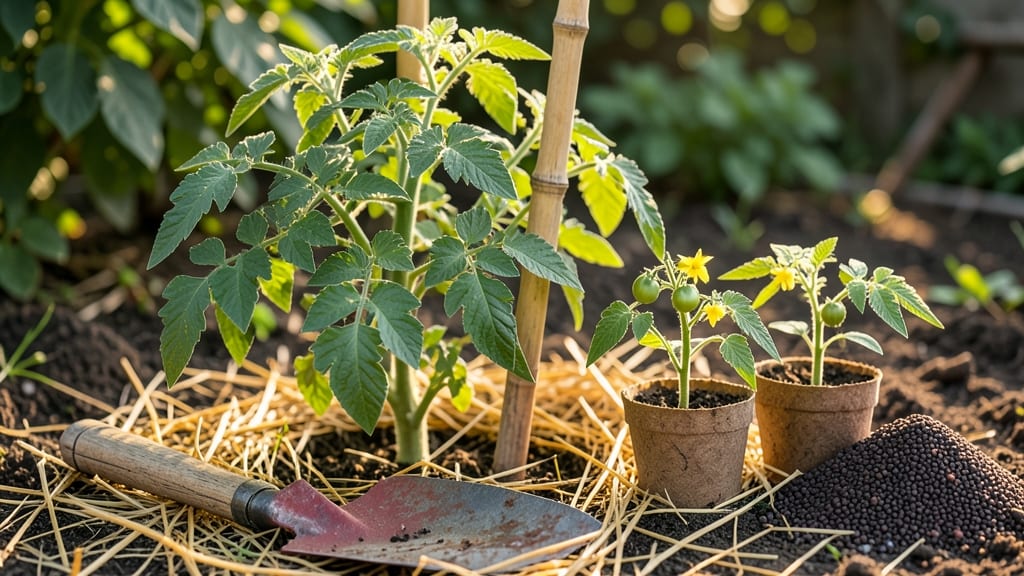
Timing when you should plant tomatoes in Indiana isn’t just about following a calendar—it's about outsmarting the state's infamous spring whiplash. With last frost dates ranging from early April in southern zones to late May in northern areas, getting it wrong could mean wilted seedlings or missed harvests.
I’ve learned the hard way that waiting for soil to warm to 60°F and transplanting after the last frost is only half the battle. Indiana’s humid summers demand heat-tolerant varieties like 'Celebrity' or 'Solar Fire' to thrive from June through October.
But here’s the game-changer: knowing exactly when to start seeds indoors versus direct-sowing can add weeks to your harvest.
Whether you’re a first-timer or a seasoned gardener, this guide breaks down Indiana’s frost zones, the 10-day rule for safe transplanting, and which varieties hold up best in the heat. Let’s turn your tomato dreams into a bountiful reality—no more guessing games.
Ready to transform your backyard into a 🍅 powerhouse? I’ll walk you through the precise timing, plus pro tips to extend your season even after frost dates. Your juiciest harvest yet starts with planting at the right moment.
Indiana last frost dates by Zone: exact timing for transplanting tomato seedlings
Indiana’s USDA zones 5-8 experience wildly different frost patterns, so knowing your exact zone is critical for tomato planting success. The last average frost dates range from early April in southern Indiana to mid-May in northern regions—missing this window risks frost damage to tender seedlings.
I’ve planted tomatoes in Zone 6a for years, and trust me, those late-May surprises happen!
For reliable harvests, use the 10-day rule: Wait 10 days after your area’s last frost date to transplant seedlings. This buffer accounts for late cold snaps. Southern Indiana gardeners can start as early as April 15, while northern zones should hold off until May 10-20.
Always check soil temperatures—60°F+ is non-negotiable for tomato roots.
🌱
Pro tip: Use row covers if transplanting early—these create a 2-4°F warmer microclimate and buy you an extra week of planting time. My Zone 6a garden once lost seedlings to a late frost, but row covers saved the second planting!
Check your local Purdue Extension office for historical frost data—their records often reveal patterns your weather app misses.
For direct sowing (planting seeds outdoors), wait until soil temps hit 70°F+—this prevents seed rot and speeds germination. Southern Indiana gardeners can direct-sow as early as April 1, while northern zones should wait until May 15.
Always pre-warm seeds indoors for 5-7 days before direct sowing to give them a head start against Indiana’s cool springs.
🌡️
Don’t rely solely on calendar dates—monitor nighttime temps. Tomatoes can handle 50°F nights after transplanting, but anything below 45°F risks stunted growth. My 2022 lesson: I planted too early in Zone 6a, and a 42°F night set back my seedlings by 3 weeks.
Since then, I’ve used frost cloth for the first 2 weeks after transplanting as an extra precaution.
Indiana’s first frost typically arrives October 15, but some years it comes as early as September 20. To maximize your harvest, choose early-maturing varieties (like ‘Early Girl’) that can produce fruit before frost.
Pair these with succession planting: Sow new seeds every 2 weeks from May through July for a continuous harvest.
📅
Here’s my Indiana tomato planting timeline that’s worked for 10+ years:
- March 1: Start seeds indoors under grow lights
- April 15: Harden off seedlings (acclimate to outdoors)
- May 1: Transplant Zone 7+; wait until May 15 for Zone 6
- June 15: Begin succession planting for fall harvests
- July 1: Prune and fertilize for late-season growth
✂️
Best heat-tolerant tomato varieties for Indiana’s humid summers
Indiana’s summers bring 90°F+ heat and high humidity, which can stress tomato plants if you’re not growing the right varieties. I’ve tested dozens of tomatoes over the years, and these top 5 heat-tolerant picks consistently deliver juicy, disease-resistant fruit even when temperatures climb.
The key? Look for disease-resistant labels (like VFN or VFNT) and early-maturing types that bear fruit before the heat peaks.
For cherry tomatoes, 'Solar Fire' is my go-to—it thrives in heat, produces prolific red fruit, and resists cracking. If you prefer slicing tomatoes, 'Celebrity' (VFN) matures in 65-70 days and handles Indiana’s humidity like a champ.
Both varieties avoid the dreaded blossom end rot that plagues many gardeners during summer’s dry spells.
🌱Pro Tip: Pair these varieties with mulch to keep roots cool and drip irrigation to avoid wetting leaves—both tricks boost survival rates in Indiana’s sweltering afternoons.
Don’t overlook Mountain Merit—it’s my secret weapon against Indiana’s late-summer downpours. This bush-type tomato (determinate) stays compact, resists verticillium wilt, and produces uniform red fruit even when humidity spikes.
For something unique, try Heatmaster—it’s bred specifically for 100°F+ heat and delivers sweet, beefsteak-sized tomatoes that hold up in Indiana’s muggy afternoons.
If you’re short on space, Better Boy (an indeterminate hybrid) is a crowd-pleaser. It needs staking or a cage, but the juicy, 12-ounce fruits make it worth the effort. Just be sure to prune suckers regularly to improve airflow and reduce disease risk in Indiana’s damp climate.
🌿Final Tip: Rotate your tomato varieties yearly to prevent soil-borne diseases. Save seeds from your best performers—Indiana’s heat can turn even store-bought plants into winners with a little adaptation!