Planting
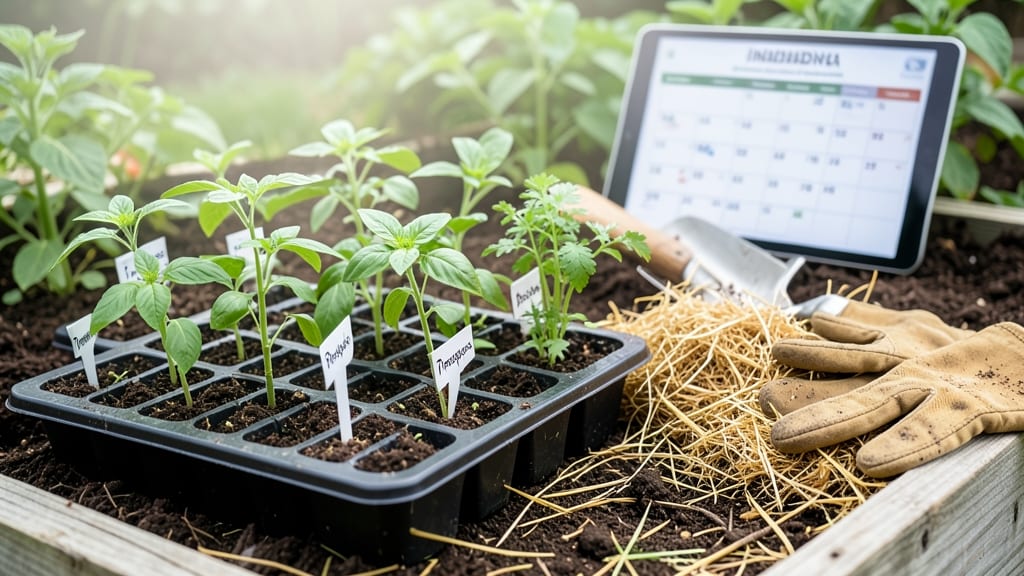
Timing your Indiana garden planting just right means the difference between a bumper crop and a frost-killed disappointment. Indiana’s USDA zones 5b-6b bring unpredictable springs, where a late frost can turn your hard work into a sad pile of wilted seedlings overnight.
You’ve got two critical windows to work with: early spring (March-April) for cool-season crops like peas and spinach, and late summer (August-September) for fall harvests.
But here’s the catch—planting too soon risks losing everything to a surprise freeze, while waiting too long might shorten your growing season. Let’s break down the exact dates and strategies to maximize your 🌱 garden’s potential.
What if you could avoid the guesswork and know exactly when to plant each variety? I’ll share the frost-free deadlines by zone, plus tips for extending your season with row covers and smart crop selection. No more second-guessing—just a clear, actionable timeline tailored to Indiana’s climate.
Ready to turn your garden dreams into reality? Let’s dive into the month-by-month schedule that’ll help you grow more, waste less, and enjoy fresh produce straight from your backyard.
Indiana’s frost-free dates by USDA zone: when to plant cool vs warm season crops
Indiana spans USDA Zones 5a-6b, meaning frost dates vary dramatically from north to south. Northern Indiana (Zone 5a) typically sees its last spring frost around April 15, while southern Indiana (Zone 6b) warms up by April 1.
These dates determine whether you’ll grow cool-season crops like lettuce or warm-season crops like tomatoes successfully.
For cool-season crops, start planting as soon as the soil thaws—usually late March in southern Indiana and early April in the north. These hardy plants (peas, spinach, kale) tolerate light frosts and can even handle fall planting until October 1.
Warm-season crops, however, need consistent 60°F+ soil temperatures, which usually arrives after May 15 in most of the state.
📌 Pro Tip: Use a soil thermometer to confirm warmth before planting warm-season crops. Tomatoes and peppers, for example, won’t thrive if planted in cold soil, even if air temperatures feel warm.
Indiana Planting Timeline by Zone & Crop Type
| Zone | Last Spring Frost | First Fall Frost | Cool-Season Crops (Spring) | Warm-Season Crops (Summer) |
|---|---|---|---|---|
| 5a (Northern IN) | April 15 | October 15 | Late March–Early May | After May 20 |
| 5b (Central IN) | April 1 | October 10 | Early March–Late April | After May 10 |
| 6a (Southern IN) | March 15 | October 5 | Late February–Early April | After April 25 |
| 6b (SW IN) | March 1 | October 1 | Early February–Mid-April | After April 15 |
*Dates are averages—check local forecasts or Purdue Extension for updates.
In northern Indiana (Zone 5a), where frosts linger longer, focus on fast-maturing varieties of warm-season crops like bush beans or zucchini. These can tolerate cooler soils better than tomatoes or peppers.
Meanwhile, southern Indiana (Zone 6b) gardeners enjoy a longer season and can experiment with longer-season varieties like heirloom tomatoes or sweet corn.
For fall planting, aim to sow cool-season crops like spinach or radishes by August 1 to harvest before the first frost. Use row covers to extend the season another 2–4 weeks if needed. Just remember: broccoli and cabbage need 60–80 days to mature, so time your planting accordingly.
Local microclimates also play a role. Urban areas with concrete and pavement may warm up faster than rural spots, while low-lying gardens can stay cooler longer. Always scout your specific area for 3+ years to refine your planting schedule.
If you’re unsure about your zone, use the USDA Plant Hardiness Zone Map or check with your county extension office. Indiana’s Purdue Extension offers free frost date data tailored to your location—just plug in your ZIP code!
Finally, warm-season crops like peppers and eggplants thrive with longer daylight hours, so don’t rush them into the ground. Wait until nighttime temperatures stay above 55°F consistently for best results.
🌱
Best planting schedule for Indiana’s most popular vegetables: month-by-month guide
Indiana’s growing season runs from late spring to early fall, but not all vegetables thrive in the same timeframe. Warm-season crops like tomatoes and peppers need soil temperatures above 60°F, while cool-season crops like spinach and peas can handle cooler temps.
Here’s my month-by-month breakdown for Indiana’s most popular garden plants, tailored to USDA zones 5b-6b.
For cool-season crops, start seeds indoors in March (4-6 weeks before last frost) or sow directly in early April. These hardy plants—like lettuce, kale, and radishes—can even handle light frosts.
In contrast, warm-season crops like beans, squash, and corn should wait until after May 15, when soil temps consistently stay above 60°F.
📅 Indiana Planting Timeline by Month
- Start indoor seeds: Tomatoes, peppers, eggplants
- Direct sow cool crops: Peas, spinach, lettuce
- Transplant cool-season seedlings: Broccoli, cabbage
- Direct sow hardy warm crops: Beets, carrots, radishes
- Plant warm-season seedlings: Tomatoes, peppers (after last frost)
- Direct sow heat-loving crops: Beans, corn, cucumbers
- Succession plant fast growers: Lettuce, radishes, bush beans
- Harvest early crops: Peas, spinach, early tomatoes
- Plant fall crops: Kale, spinach, broccoli
- Direct sow cool-season seeds: Radishes, turnips
- Harvest late-season crops: Pumpkins, winter squash
- Protect tender plants with row covers
Pro tip: Use succession planting to keep your harvests coming all season. For example, sow lettuce every 2 weeks from April through July to enjoy fresh leaves until frost. Similarly, bush beans and radishes grow quickly—plant new batches every 3-4 weeks for a continuous supply.
Don’t forget about herbs like basil and cilantro—they thrive in Indiana’s summer heat but bolt quickly. Plant basil after the last frost and harvest leaves regularly to encourage bushier growth. For cilantro, opt for slower-bolting varieties like ‘Calypso’ or ‘Santo’ to extend your harvest.
If you’re new to gardening, start with easy-to-grow varieties like zucchini, green beans, and marigolds. These plants are forgiving and produce abundantly, even if you’re not a seasoned pro.
For a foolproof schedule, bookmark this guide and adjust based on your local frost dates—check Purdue Extension’s frost calendar for real-time updates.
Remember, Indiana’s growing season is short but sweet—make every day count by planning ahead and staying flexible. With this month-by-month roadmap, you’ll avoid common mistakes like planting tomatoes too early or missing the window for fall crops. Happy planting! 🌱