Planting
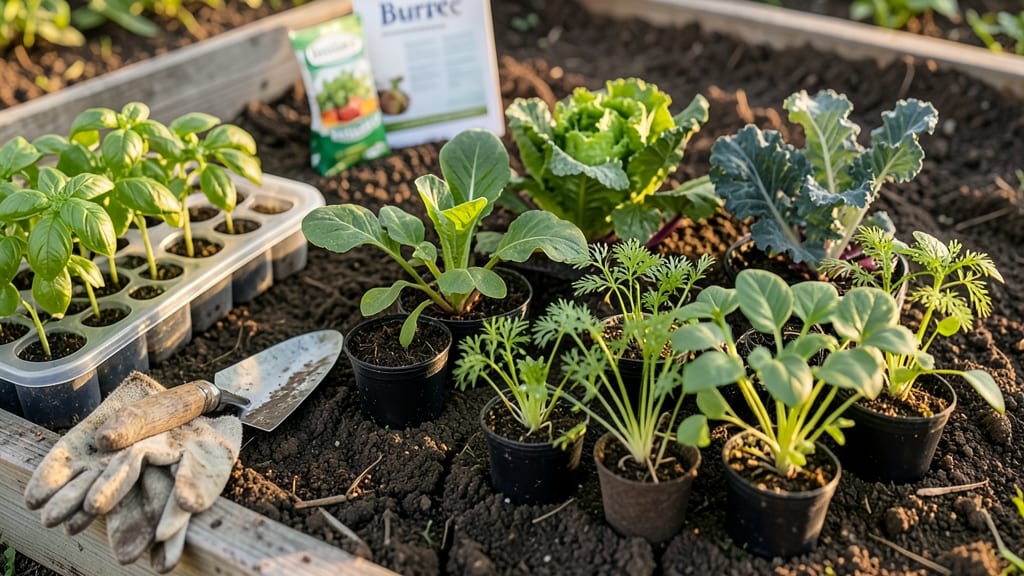
Timing when to plant a vegetable garden in Seattle isn’t just about following a calendar—it’s about outsmarting the unpredictable weather that can turn your hard work into a soggy mess.
With cool, wet springs and sudden frost sneaking in even after May, planting too early or too late means the difference between a thriving 🌱 harvest and a sad, wilted failure. I’ve spent years growing here and learned the exact windows that work, so you don’t have to guess.
Seattle’s microclimates—from the chilly Puget Sound coast to the slightly warmer Eastside—change the game entirely. What works in one neighborhood might flop just a few miles away.
I’ll break down the ideal start dates for everything from spinach to tomatoes, so you can plant with confidence and avoid the heartbreak of a late frost wiping out your seedlings.
Whether you’re a first-time gardener or a seasoned green thumb, the key is knowing when to start seeds indoors, when to pop plants into the ground, and how to stretch your growing season by 4-6 weeks. No more second-guessing—just a clear, actionable plan tailored to Seattle’s quirks.
Let’s dive into the month-by-month schedule that’ll have your garden flourishing while everyone else is still waiting for the “perfect” time. Spoiler: There isn’t one—just the right time for your spot.
Seattle’s planting zones: how microclimates change your start dates
Seattle’s gardening calendar isn’t one-size-fits-all—its three distinct microclimates can shift your planting windows by 3-4 weeks. The Urban Core (like Ballard or Fremont) stays cooler and wetter longer, while the Eastside (Bellevue, Kirkland) warms up faster.
The Puget Sound Coast (West Seattle, Bainbridge) gets chilly ocean breezes that delay spring. Understanding these zones helps you avoid false spring traps where warm spells fool you into planting too early.
All of Seattle falls under USDA Zones 8-9, but elevation matters more. Areas like Capitol Hill (300 ft) freeze later than Denney Heights (500+ ft), where frost lingers until May 15. Check your exact last frost date using the WSU Extension’s Frost Calculator—it’s your planting GPS.
Most Seattle gardeners aim for April 15 to May 10 for warm-season crops, but your microclimate could push that to June 1 if you’re in the hills.
Here’s how these zones break down for your cool-season vs. warm-season crops—critical for avoiding frost damage or stunted growth. The table below shows your ideal planting windows based on where you live in Seattle.
| Microclimate | Last Frost Date | Cool-Season Start | Warm-Season Start | Key Adjustment |
|---|---|---|---|---|
| Urban Core (Ballard, Fremont) | April 25 | March 15 | May 10 | Wait for soil >50°F |
| Eastside (Bellevue, Kirkland) | April 10 | March 1 | April 25 | Plant tomatoes after May 1 |
| Puget Sound Coast (West Seattle) | May 5 | April 1 | June 1 | Use row covers for peppers |
Your cool-season crops (like kale, peas, and spinach) thrive when planted 6-8 weeks before your last frost date. For the Urban Core, that’s late February, but Eastside gardeners can start early March.
Warm-season lovers (tomatoes, cucumbers, basil) need soil at 60°F+, which typically happens mid-May—but test with a soil thermometer to avoid disappointment. Pro tip: Eastside gardeners can push warm crops to April 25 if they use black plastic mulch to warm soil faster.
Seattle’s elevation gradients create another layer of complexity. Every 100 feet up delays your last frost by 3-5 days. If you’re in Queen Anne (400 ft), your frost date might be May 10, while Green Lake (sea level) could be April 20.
Use this elevation adjustment rule: Subtract 1 week per 200 feet from your local frost date. For example, Denney Heights (500 ft) might not be safe for tomatoes until May 25.
One common mistake is ignoring microclimate pockets in your yard. A south-facing wall can create a 5°F warmer microclimate, letting you plant 2 weeks earlier there. Conversely, low-lying areas (like near Lake Washington) stay colder.
Walk your garden in early March and note where sun hits first—those spots are your early planting zones. Mark them with stakes so you remember for next year.
For urban gardeners, container growing lets you override microclimates. Move pots to sunniest spots when needed, but remember: containers cool faster at night. If your balcony faces northwest, avoid tomatoes—they’ll struggle with <6 hours of sun.
Instead, opt for leafy greens or radishes, which tolerate partial shade better. Always check your container’s drainage too—Seattle’s wet springs mean root rot is a real risk if water pools.
Finally, WSU Extension’s free frost maps are your best friend. They update annually and account for climate shifts. Bookmark this: WSU Urban Farm. Their 2024 data shows Seattle’s frost-free season is lengthening by 2 weeks per decade, but don’t rush—late frosts still happen.
My 2022 tomato plants in Ballard died twice in May when temps dropped to 32°F. Lesson learned: Wait for consistency—not just one warm week.
Start by identifying your microclimate, then adjust your planting dates using the table above. For cool crops, you have a longer window; for warm crops, patience is key.
Next, we’ll break down the exact month-by-month schedule so you know what to plant when—no more guesswork! 🌱
The exact month-by-month planting schedule for Seattle gardens
Seattle’s gardening calendar isn’t one-size-fits-all—it’s more like a puzzle with moving pieces. Cool-season crops like kale and peas thrive in March, while tomatoes and peppers need to wait until late May. The key? Understanding Seattle’s frost-free dates (typically May 10 in most areas) and adjusting for your microclimate.
For urban gardeners, start spinach and lettuce indoors in February and transplant outdoors by March 15. Eastside gardeners can push warm-season crops like beans a week earlier than coastal areas. Always check WSU Extension’s frost data for real-time updates—last year’s false spring in April caught many off guard!
Here’s your month-by-month cheat sheet for planting in Seattle, including succession planting tips to keep your harvests rolling:
Don’t let Seattle’s “false spring” fool you—those unexpected frosts in April can wipe out tender seedlings. I once lost an entire tomato transplant batch in 2021 when temps dropped to 32°F in late April.
Since then, I’ve made it a rule to harden off plants for 2 weeks before transplanting and keep row covers handy.
For urban gardeners with limited space, focus on fast-growing crops like radishes (25 days) and bush beans (50 days). If you’re in the Eastside, you can squeeze in a second planting of beans in early July for a late-summer harvest.
Just remember: soil temperature matters more than air temperature—wait until the soil reaches 60°F for warm-season crops.
Pro tip: Use WSU Extension’s Garden Hotline (206-616-8721) if you’re unsure about local conditions. They’ll give you hyper-local advice that beats any generic calendar. And if all else fails, start seeds indoors—it buys you 4-6 extra weeks of growing time in Seattle’s short season.