
Plants
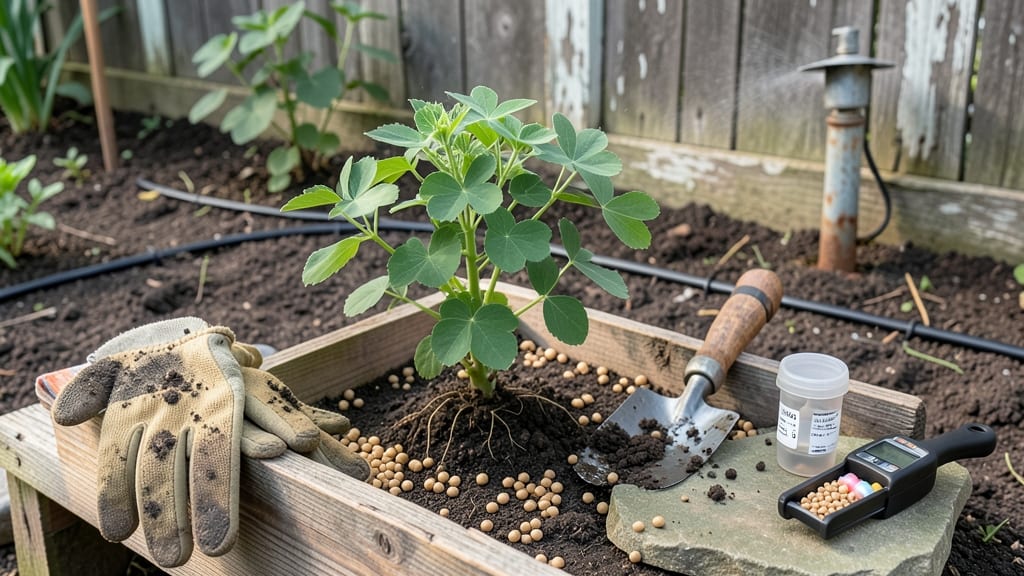
Planting alfalfa in Georgia at the wrong time can mean the difference between a thriving crop and wasted seeds. The key to fast germination lies in understanding your soil's temperature triggers, which vary dramatically between North Georgia's cooler hills and South Georgia's warmer plains.
With Georgia's 7b-8b climate zones, you've got two prime windows: early spring when soil warms to 50-55°F, or late summer when temperatures hover around 60-65°F.
But timing isn't just about the calendar—it's about when your soil actually reaches these critical thresholds, which can shift by weeks depending on whether you're in Athens or Albany.
I'll show you exactly how to test your soil temperature and adjust your planting schedule for maximum efficiency. Whether you're a first-time grower or a seasoned farmer, these science-backed triggers will help you avoid common mistakes that delay germination and reduce yields.
From preparing your soil to navigating Georgia's unpredictable spring weather, this guide gives you all the regional insights you need to plant alfalfa 🌱 with confidence. Let's get your crop off to the fastest possible start.
Optimal soil temperature ranges for planting alfalfa in Georgia
Alfalfa thrives in Georgia’s climate when planted at the right soil temperature. Unlike many crops, alfalfa seeds need warm soil to germinate quickly—typically between 60°F and 70°F. In Georgia, this usually aligns with late summer or early fall, but regional differences matter.
For example, North Georgia’s cooler Piedmont may require a later planting window compared to South Georgia’s warmer Coastal Plain.
Spring planting is riskier because cold soil delays germination, leaving young seedlings vulnerable to late frosts. The key is monitoring soil—not air—temperature. Use a soil thermometer to confirm conditions before planting.
In most of Georgia, aim for mid-August to early September for fall planting, when soil temperatures consistently stay above 65°F.
Here’s how Georgia’s regions differ:
| Region | Best Planting Window | Soil Temp Requirement | Key Consideration |
|---|---|---|---|
| North Georgia (USDA 7b) | Late August–early September | 65°F–70°F | Cooler nights; frost risk by October |
| Central Georgia (USDA 8a) | Mid-August–late September | 60°F–75°F | Balanced climate; wider window |
| South Georgia (USDA 8b) | Early August–mid-September | 68°F–72°F | Warmer soil; earlier planting possible |
If you’re planting in early spring, wait until after the last frost date (typically mid-March in South Georgia but late March in North Georgia). However, spring planting carries higher risks due to unpredictable weather. For best results, prioritize fall planting when soil stays warm longer.
Pro tip: Use a soil thermometer for 3–5 days before planting to confirm temperatures. If soil is below 60°F, delay planting by 1–2 weeks. In Georgia’s humid climate, warm soil also helps prevent seed rot from excess moisture.
For large-scale plantings, consider black plastic mulch to raise soil temperatures by 5°F–10°F, extending the planting window by 2–3 weeks. This is especially useful in North Georgia’s cooler zones where frost can arrive earlier.
Alfalfa’s germination time is another critical factor. Seeds typically sprout in 7–14 days at ideal temperatures, but cold soil can stretch this to 3–4 weeks, leaving seedlings weak. Aim for a 10-day germination window before the first frost in your area to ensure success.
In Georgia’s USDA zones 7b–8b, the last frost date varies by region. Use the Georgia Climate Project or your local University of Georgia Extension office for precise frost data.
For example, Athens (USDA 8a) has a last frost around March 15, while Savannah (USDA 8b) sees frost as late as January 15.
Timing isn’t just about temperature—it’s also about moisture. Alfalfa seeds need consistent soil moisture during germination but can’t tolerate waterlogged conditions. In Georgia’s rainy summers, ensure your soil has good drainage to prevent seed rot.
Finally, remember that alfalfa is a perennial in Georgia’s climate. Planting at the right time ensures a healthy root system that will support multiple harvests over 3–5 years. Don’t rush—patience in planting pays off with higher yields and longer lifespan.
Optimal soil temperature ranges for planting alfalfa in Georgia
Alfalfa thrives in Georgia’s climate when planted during two key windows: early spring and late summer. The soil temperature is the most critical factor—alfalfa seeds need 50-60°F soil temps to germinate consistently. In Georgia’s USDA Zones 7b-8b, this translates to March-April for spring or August-September for fall plantings.
North Georgia’s cooler Piedmont region (e.g., Athens) may need to wait until mid-April for stable soil temps, while South Georgia’s Coastal Plain (e.g., Savannah) can plant as early as late February in mild winters. Always check 7-day forecasts for frost risks before planting.
Use a soil thermometer to verify temps—bury it 2 inches deep (where seeds will be planted) and monitor for 3 consecutive days above 50°F. If temps fluctuate below this, germination slows dramatically, leading to uneven stands or failed crops.
| Region | Ideal Planting Window | Soil Temp Threshold | Key Consideration |
|---|---|---|---|
| North Georgia (Piedmont) | Mid-April to early May | 55-60°F | Wait for last frost (avg. March 15) |
| Central Georgia (Macon) | Early April or late August | 50-55°F | Avoid July plantings—heat stress risk |
| South Georgia (Coastal Plain) | Late February or September | 50-58°F | Higher humidity—monitor for fungal diseases |
For fall plantings, aim for August-September when soil temps drop below 85°F—alfalfa seeds can overheat above 90°F, leading to poor germination. In South Georgia, September plantings often yield better winter survival than spring.
Pro tip: If your soil runs cold in spring, use black plastic mulch for 2-3 weeks before planting to warm the soil 5-10°F faster. This is especially helpful in North Georgia’s clay soils, which retain cold longer.
Always pair soil temp checks with moisture levels—alfalfa seeds need consistent dampness (not soggy) to sprout. In Georgia’s dry summers, irrigate lightly for 10-14 days post-planting to maintain germination moisture.