Plants
Timing your alfalfa planting in spring can make or break your harvest—get it wrong, and you're staring at a garden full of weeds instead of lush, nutrient-packed greens. The key isn't just checking the calendar; it's listening to your soil.
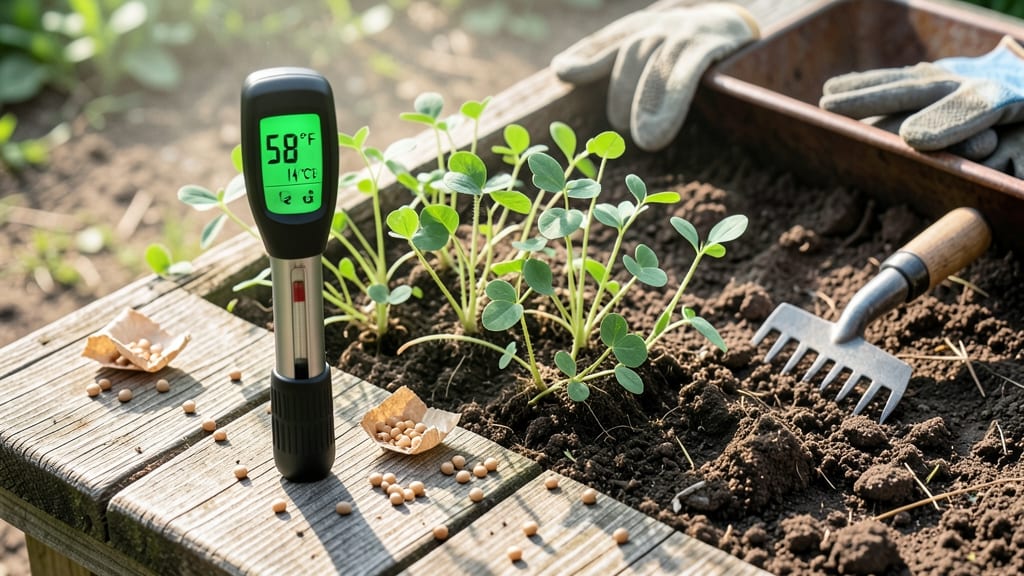
When temperatures hit that sweet spot of 50-60°F, seeds wake up hungry for growth, not a slow, soggy death.
I’ve learned the hard way that rushing alfalfa into cold soil is like sending a marathon runner out in flip-flops—it just won’t finish the race.
But here’s the good news: with a simple soil warmth test and a few smart adjustments, you can turn your spring planting into a fast, reliable success.
Whether you’re in Zone 6a or a warmer region, I’ll show you exactly when to grab those seeds and why waiting just a little longer can save you headaches.
Most gardeners plant alfalfa in early to mid-spring, but the real magic happens when you sync up with nature’s schedule. Too early? Seeds rot. Too late? Weeds steal the show. The solution?
A 5-minute soil check that tells you precisely when to plant for optimal germination—no guesswork, just results. Let’s dive into the steps that’ll have your alfalfa sprouting like clockwork.
From adjusting for last frost dates to avoiding common pitfalls, this guide cuts through the confusion. You’ll walk away knowing exactly when to plant, how deep to go, and what to watch for in the weeks ahead.
Ready to grow alfalfa that’s stronger, faster, and way more reliable? Let’s get started.
Optimal spring planting times for alfalfa by US climate zones
Alfalfa seeds need soil temperatures between 50-60°F to germinate successfully, making early spring the ideal window for most regions. Planting too soon risks rot from cold soil, while waiting too long lets weeds outcompete your crop.
Let's break down the best timing by USDA zones to maximize your alfalfa yield.
In USDA Zones 3-5, aim for planting 4-6 weeks after your last expected frost date. For example, if your frost date is April 15, target early May. These cooler zones often have slow soil warming, so don't rush—wait until soil reaches at least 55°F at 2-inch depth.
For Zones 6-8, you have more flexibility. Plant between mid-March and early April, aligning with your last frost date. Southern California (Zone 10) can plant as early as January-February, but avoid winter rains that cause soil compaction. Always check for consistent daytime temps above 60°F.
Regional examples show why timing matters: In Minnesota (Zone 4), successful plantings occur in late May, while Texas (Zone 8) gardeners plant in February. Use your local cooperative extension service for precise frost date data—this is your best guide beyond soil temperature tests.
| USDA Zone | Planting Window | Soil Temp Requirement | Regional Example |
|---|---|---|---|
| 3-5 | 4-6 weeks after last frost | 55-60°F at 2" | New York (late May) |
| 6-7 | Mid-March to early April | 50-55°F at 2" | Ohio (early April) |
| 8-10 | January-February (Zone 10) or February-March (Zones 8-9) | 50-60°F at 2" | California (January) |
🌱 Note: Adjust for microclimates—south-facing slopes warm faster than north-facing areas.
Your alfalfa variety also affects timing. Grimm alfalfa germinates faster (10-14 days) than Ranger (14-21 days), so plant the faster variety slightly earlier if you're near your zone's cutoff. Always pre-soak seeds overnight to reduce germination time by 2-3 days.
After planting, maintain consistent moisture for 3-4 weeks—this is critical for seedling establishment. Use drip irrigation to avoid soil crusting, which blocks young shoots. Mulch with straw (not hay) to retain soil warmth and suppress weeds during this vulnerable period.
Remember that alfalfa is a perennial, meaning it will regrow for multiple years if established properly. The first year focuses on root development, so don't harvest until the second growing season. This makes getting the planting timing right even more important for long-term success.
For container growing, use large pots (12+ inches deep) and plant in mid-April in most zones. Containers warm up faster than garden soil, so you can plant 2-3 weeks earlier than in-ground plantings. Just ensure pots have drainage holes to prevent rot.
If you miss the ideal window, don't despair—alfalfa can be planted in early fall (6-8 weeks before first frost) for a second harvest. However, fall plantings require extra soil preparation to prevent winter heaving. Always amend soil with compost before planting to improve drainage and fertility.
Pro tip: Mark your alfalfa rows with biodegradable flags at planting. This helps you monitor germination progress and ensures you don't accidentally till the area before establishment. With proper timing, you'll see first sprouts in 7-14 days—a rewarding sign you've nailed the spring planting window! 🌱
The soil warmth test: how to check before planting alfalfa
Before you rush to plant your alfalfa seeds, a quick soil temperature check is the secret weapon that separates thriving crops from failed attempts. Alfalfa seeds need soil that’s at least 50°F—any cooler, and they’ll rot in the ground.
I’ve seen gardeners plant too early and watch their seeds turn to mush, only to realize they could’ve waited just a few weeks for perfect conditions.
Don’t have a fancy soil thermometer? No problem. I’ll show you how to test soil warmth with just a few simple tools—even a DIY method that works like magic.
The goal is to find that sweet spot where your seeds will germinate in 7-14 days instead of sitting there like a science experiment gone wrong.
Here’s the step-by-step process I use every spring to ensure my alfalfa gets off to a flying start. It takes less than 10 minutes and could save you from weeks of frustration. Let’s break it down so you can plant with confidence, not guesswork.
🌡️ Soil Warmth Test: 4-Step Guide
- 1 Gather your tools: Soil thermometer (or DIY alternative: a clean metal spoon or old thermometer) and a sunny day.
- 2 Test at 2-inch depth: Stick your thermometer (or spoon) into the soil where you’ll plant. This is the depth alfalfa seeds need to be buried—check the temperature here.
- 3 Check for 50°F+: If the soil is 50°F or warmer, it’s time to plant. Below 50°F? Wait 1-2 weeks or use a black plastic mulch to warm the soil faster.
- 4 Plant at the right depth: Sow seeds ¼ to ½ inch deep in rows spaced 6-12 inches apart. Lightly cover with soil and water gently to avoid displacing seeds.
Pro tip: Test your soil in the afternoon when it’s warmest. If you’re in a cooler climate (Zones 3-5), aim for 60°F+—alfalfa seeds are more sensitive to cold in these areas.
I once planted mine at 48°F, and it took 3 weeks to germinate. Since then, I’ve made this test my non-negotiable step before planting.
Once your soil passes the warmth test, you’re ready to plant with confidence. Just remember: patience is key. Even with perfect timing, alfalfa seeds can take 10-21 days to sprout.
Keep the soil moist (but not soggy) and watch those little shoots push through like magic. With this method, you’ll be harvesting lush, nutrient-rich alfalfa in no time.
🌱