
Plants
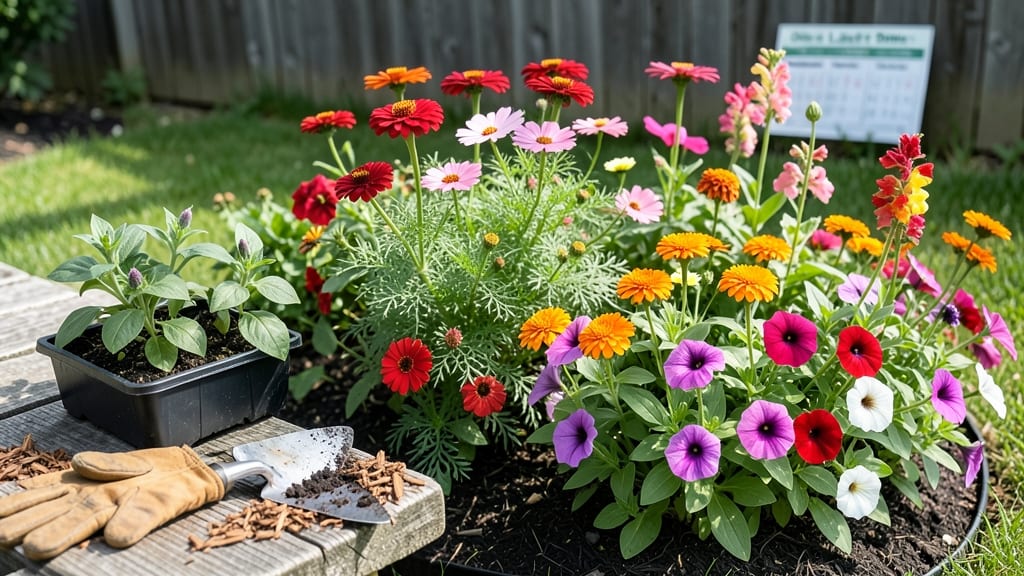
Timing your annuals planting in Ohio wrong could mean the difference between a garden bursting with colorful blooms and a sad, frost-killed disappointment. The key isn't just throwing seeds into the ground—it's knowing the exact frost-date rules for your specific zone to give your plants the best start.
Ohio's climate varies dramatically from Columbus to Cleveland, and getting the timing right means accounting for those unpredictable spring swings. Whether you're planting heat-loving marigolds or cold-tolerant pansies, understanding when to plant ensures your annuals thrive all season long. Let me walk you through the zone-specific strategies that work.
You don’t need a green thumb to succeed—just the right information. I’ll share the optimal planting windows based on Ohio’s frost dates, plus pro tips for adjusting when Mother Nature throws curveballs. Ready to transform your garden into a vibrant showstopper? Let’s get started.
From soil prep to post-planting care, this guide covers everything you need to know to make your annuals flourish. Whether you're a beginner or a seasoned gardener, these insights will help you plant with confidence and enjoy a garden that’s the envy of the neighborhood.
Ohio’s frost-date planting zones: when to start annuals by last frost date
Ohio’s last frost dates vary dramatically across its USDA zones 5a-6b, making timing everything for your annual flowers. In northern cities like Cleveland, the average last frost hits May 15, while southern Toledo and Cincinnati see frost-free soil by April 20.
Columbus sits right in the middle, with a May 1 average—though Mother Nature rarely follows the script!
For heat-loving annuals like marigolds and zinnias, wait until 2 weeks after your local last frost date. Cold-tolerant varieties such as pansies and snapdragons can handle light frosts and often thrive when planted 4-6 weeks before the last frost.
My rule? Check your zone and adjust by 10 days if spring’s been slow.
Here’s the critical timeline for Ohio’s major cities, based on 30-year averages from the National Weather Service. But remember—these are guidelines, not guarantees. Always have a row cover ready!
| Zone/City | Last Frost Date (Avg.) | Plant Heat-Lovers | Plant Cold-Tolerant |
|---|---|---|---|
| Toledo (Zone 6a) | April 20 | May 10 | March 25 |
| Columbus (Zone 6b) | May 1 | May 20 | April 1 |
| Cincinnati (Zone 6b) | April 20 | May 10 | March 25 |
| Cleveland (Zone 5b) | May 15 | June 1 | April 15 |
If you’re starting seeds indoors, begin 6-8 weeks before your last frost date. Petunias and geraniums need this head start, while cosmos and sunflowers can often be direct-sown after soil warms to 60°F.
I test soil temp with a moisture meter—if it’s consistently above 55°F, it’s safe to plant!
For late-spring surprises, like a late frost in May, protect your tender annuals with frost cloth or move potted plants to a sheltered spot. I’ve lost tomato seedlings to 28°F temps more times than I’d like to admit. Prevention is key—always monitor the 10-day forecast before planting.
Ohio’s microclimates add another layer of complexity. South-facing slopes warm up 1-2 weeks earlier than low-lying areas, while urban heat islands (like downtown Columbus) can delay frost by 5-7 days. Observe your own garden’s patterns for 3 years to refine your timing.
Finally, don’t forget fall planting! Many annuals, like kale and pansies, thrive when sown in late summer for fall blooms. Aim for seeds in the ground by August 15 in southern Ohio or September 1 in the north.
The first frost (usually October 30-November 15) signals the end of the season—but with the right timing, you’ll enjoy color until snow flies!
Next, we’ll cover Ohio-specific strategies to handle unpredictable weather, including row covers, seed-starting hacks, and the 10-day rule for safe transplanting. Trust me—these tips have saved my garden dozens of times!
How to adjust planting for Ohio’s unpredictable spring weather (pro tips)
Ohio’s spring weather is famously fickle—one day you’re planting seeds, the next you’re scrambling to cover them with frost blankets. The key to avoiding disaster is flexibility.
Start by knowing your local frost dates (Columbus averages May 15th, while Cleveland can lag until May 30th), but always be ready to adjust your timeline based on forecasts.
For extra protection, use row covers or frost cloth when nighttime temps dip below 32°F. These lightweight fabrics trap heat without smothering your plants, giving you an extra 2-4 weeks of planting flexibility. I’ve used them with marigolds and petunias in late April without a single frost-related setback.
🌱
⚠️ Frost Damage Warning
Even hardy annuals like pansies and snapdragons can suffer if temps drop below 28°F. Wait until the average last frost date has passed—or use heat mats to warm soil for 2-3 weeks before planting.
Pro Tip: Check the National Weather Service for your city’s 10-day forecast before transplanting seedlings. A single 25°F night can wipe out tender starts.
If you’re planting heat-loving annuals like geraniums or zinnias, start them indoors 6-8 weeks before your last frost date. Use grow lights to prevent leggy seedlings, and harden them off for 10-14 days before transplanting.
I’ve had tomato seedlings (not annuals, but same principle) thrive when moved outdoors after two weeks of gradual acclimation.
For a foolproof method, follow the “10-day rule”: Wait 10 days after your last frost date before planting tender annuals. This buffer accounts for late frosts and gives your plants time to establish roots.
Pair this with mulch (straw or shredded leaves) to insulate soil and retain moisture—critical during Ohio’s unpredictable May showers.
Finally, monitor your garden’s microclimate. South-facing beds warm up faster, while low-lying areas stay colder. I once planted cosmos in a sheltered spot that bloomed 3 weeks earlier than the rest of my garden. Use these microclimates to your advantage by planting cold-sensitive annuals in the warmest spots first.
With these adjustments, you’ll beat Ohio’s weather curveballs and enjoy continuous blooms from spring to fall. 🌿