Trees
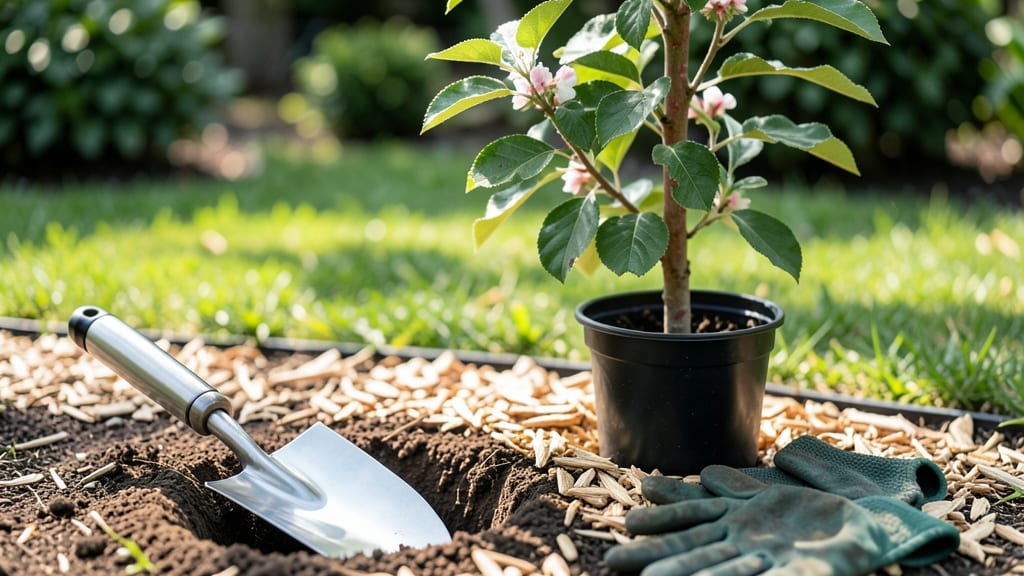
Timing is everything when it comes to planting your 🍎 apple tree in Connecticut—get it wrong, and you risk stunted growth or winter damage. Connecticut’s Zone 5b-6b climate demands precision, especially with chill-hour requirements that vary by variety.
Whether you’re a first-time gardener or a seasoned grower, knowing the exact window for planting can mean the difference between a thriving orchard and a failed investment.
Most Connecticut gardeners swear by early spring or early fall as the best times to plant, but the unpredictable weather here adds a layer of complexity. Late frosts in April or early snow in October can catch you off guard, which is why understanding your microclimate is key.
We’ll break down the science behind chill hours and how to match your apple tree variety to Connecticut’s unique growing conditions.
From bare-root saplings to container-grown trees, we’ll cover the best methods for establishing strong roots before winter sets in. You’ll also learn how to prep your soil, choose the right location, and protect your young tree from the region’s harsh winds.
By the end, you’ll have a clear roadmap to planting success—no guesswork required.
Ready to grow apples that taste like home? Let’s dive into the perfect planting schedule for Connecticut’s climate, so you can enjoy fresh-picked fruit in just a few years. The orchard of your dreams starts with the right timing.
Best planting months for apple trees in Connecticut’s climate zones
Planting an apple tree in Connecticut requires careful timing to account for the state’s Zone 5b-6b climate, where late frosts and early winters can threaten young roots.
The ideal window is either early spring (April) or early fall (September-October), but the best choice depends on your region and tree type.
Northern CT (e.g., Hartford, Litchfield) has shorter growing seasons and colder springs, so fall planting (September) is often safer. Southern CT (e.g., New Haven, Stamford) enjoys warmer microclimates, allowing late fall (October) or even early spring (April) planting with less frost risk.
Bare-root trees must be planted while dormant but before soil freezes (typically by October 31). Container-grown trees offer more flexibility but still thrive best when planted in cool, moist soil—avoid summer heat, which stresses roots.
Here’s how CT’s hardiness zones and frost dates influence your timing:
| Region | USDA Zone | Best Planting Window | Avoid Planting After | Soil Temp Goal |
|---|---|---|---|---|
| Northern CT (e.g., Hartford, Litchfield) | Zone 5b | Early fall (Sept 15–Oct 15) | October 31 (frost risk) | 50–60°F (10–15°C) |
| Central CT (e.g., New Britain, Middletown) | Zone 6a | Early fall (Sept 1–Oct 20) or early spring (April 15–May 1) | November 1 (first frost) | 50–65°F (10–18°C) |
| Southern CT (e.g., New Haven, Stamford) | Zone 6b | Late fall (Oct 1–Nov 10) or spring (April 1–May 15) | November 15 (frost risk) | 55–70°F (13–21°C) |
For bare-root trees, prioritize fall planting—roots establish before winter, giving your tree a head start in spring. If you choose spring planting, do it as soon as soil is workable (April) to avoid drought stress during germination.
Container-grown trees adapt better to summer planting but require consistent moisture. Water deeply every 3–5 days until roots spread, and use mulch to retain soil moisture. Avoid planting during heatwaves (July–August), when roots can overheat.
CT’s clay-heavy soils in many regions slow drainage, so amend with compost or sand before planting. Test soil pH—apple trees thrive in slightly acidic soil (6.0–6.5). If your soil is too alkaline, add sulfur or peat moss to adjust.
Pro tip: Plant on a slightly cloudy day to reduce transplant shock. Water thoroughly after planting, then mulch with 3–4 inches of organic matter to protect roots from temperature swings.
Timing isn’t just about months—it’s about microclimates. A south-facing slope warms faster in spring, while a north-facing yard stays cooler. Use these cues to fine-tune your planting deadline.
🍎
How to match apple tree varieties to Connecticut’s chill hours
Connecticut’s Zone 5b-6b climate means your apple tree’s success hinges on matching its chill-hour requirements—the number of hours below 45°F it needs to produce fruit. Most CT varieties thrive with 300–1,000 chill hours, but regional microclimates (like coastal vs. inland areas) can shift these needs.
For example, Honeycrisp needs 800–1,000 chill hours, while McIntosh thrives with just 400–600 hours.
To avoid wasted money on incompatible varieties, check the USDA Plant Hardiness Zone Map for your specific CT location. Coastal areas (like Zone 6b) often have fewer chill hours than inland regions (like Zone 5b).
For instance, Cortland apples, a CT favorite, require 500–700 chill hours—perfect for most of the state except the southern coast.
Here’s how to verify chill hours for your yard: Use a chill-hour calculator (like the one from Purdue University) or consult your local Cooperative Extension Service.
They provide historical chill-hour data for CT counties. For example, Hartford averages 800 chill hours, while New Haven may see 600–700 hours.
| Variety | Chill Hours Needed | Best CT Regions | Fruit Ripens |
|---|---|---|---|
| Honeycrisp | 800–1,000 | Inland (Zone 5b) | Late September |
| McIntosh | 400–600 | Coastal (Zone 6b) | Early October |
| Cortland | 500–700 | Statewide | Mid-October |
| Gala | 600–800 | Northern CT | Late September |
| Fuji | 900–1,100 | Southern CT only | October |
If you’re unsure about your local chill hours, opt for low-chill varieties like McIntosh or Cortland, which are CT-proven winners. For higher-chill varieties (like Honeycrisp), plant them in warmer microclimates, such as south-facing slopes or near heat-absorbing surfaces like brick walls.
Pro tip: Pair your apple tree with a pollination partner—most CT varieties need cross-pollination for fruit set. For example, plant a Cortland near a McIntosh to ensure both trees get enough chill hours and pollination for a bountiful harvest. 🍎
Always double-check with your local nursery before buying, as they’ll know which varieties thrive in your specific CT microclimate. A well-matched apple tree will reward you with years of fruit production—not just one failed season! 🌳