Plants
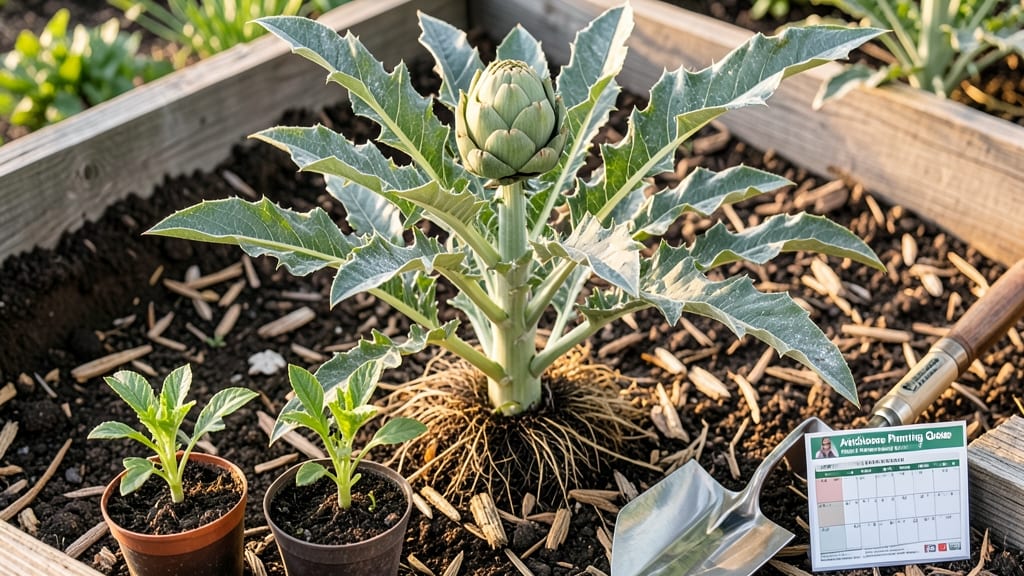
Timing your artichoke planting in Zone 7 could mean the difference between a bountiful harvest and a disappointing one—especially when frost dates loom. If you’ve ever wondered why your artichokes 🌱 seem to struggle, the answer might lie in getting them in the ground at the perfect moment.
The key to success isn’t just waiting for warm weather—it’s understanding soil temperature and frost risks. In Zone 7, planting too early can leave young plants vulnerable, while waiting too long might cut your harvest short.
I’ll show you exactly when to plant for the biggest, most flavorful heads, whether you’re starting from transplants or sowing seeds.
You’ll also discover how to stretch your growing season with simple tricks, like using row covers or choosing cold-hardy varieties. These methods can add weeks to your harvest window, giving you more time to enjoy fresh artichokes straight from your garden.
Ready to transform your garden into an artichoke powerhouse? Let’s dive into the frost-date hack that’ll have you harvesting like a pro—no guesswork required.
Optimal planting windows for artichokes in Zone 7 (frost-date hack included)
Artichokes love warmth but hate frost—so in Zone 7, timing your plantings around your last frost date (typically March 15) is non-negotiable. The key is planting when soil temperatures hit 60°F, which usually lands in late March to early April for most of Zone 7.
But here’s the hack: if you miss that window, don’t panic—you can still grow artichokes in late summer for a fall harvest!
Zone 7’s 180 frost-free days give you two chances: a spring crop (plant in March-April) and a fall crop (plant in July-August). The spring crop yields the biggest heads, while fall plantings mature just in time for cooler weather.
My personal trick? I always plant a few extra in spring—just in case my first batch gets hit by a late frost.
Before you rush to the nursery, check your local microclimate. Urban areas often warm up faster than rural spots, so if you’re in a city like Atlanta or Richmond, you might plant 2-3 weeks earlier.
Conversely, higher elevations (like parts of West Virginia) may need to wait until mid-April. A soil thermometer is your best friend here—don’t guess!
| Planting Window | Soil Temp | Frost Risk | Notes |
|---|---|---|---|
| Early Spring (March 15–April 15) | 60°F+ | Low (after last frost) | Best for large heads; harvest May–June. |
| Late Summer (July 15–August 15) | 65°F+ | Moderate (fall frosts) | Smaller heads but escapes frost; harvest Sept–Oct. |
| Indoor Start (Feb 1–March 1) | 65–75°F | None (protected) | Transplant after last frost; extends growing season. |
If you’re starting seeds indoors (which I recommend for a head start), begin them 8–10 weeks before your last frost. That means early February for most of Zone 7. Use grow lights to prevent leggy seedlings—artichokes need 12–14 hours of light daily to thrive.
Pro tip: I use a simple LED bulb on a timer to keep my seedlings strong until transplanting.
For direct sowing, wait until the soil is warmer than 60°F and all danger of frost has passed. In Zone 7a (cooler end), that might be mid-April, while Zone 7b (warmer) could be ready by early April.
Always test with a thermometer—cold soil slows germination and stunts growth. I’ve seen artichokes planted in 55°F soil struggle, so don’t cut corners!
Here’s my Zone 7 planting timeline in action: I plant half my artichokes in early April for a summer harvest and the other half in mid-July for a fall crop.
This double strategy gives me artichokes from June through October, and I’ve never gone without! The fall crop is smaller, but it’s a bonus when the summer heat wanes.
One mistake I see often? Planting too close to the last frost date. Artichokes are frost-sensitive, and even a light freeze can kill young plants.
If you’re worried, use row covers for the first 2–3 weeks after transplanting. They’re a game-changer for extending your window without risking frost damage.
Finally, remember that soil preparation is just as critical as timing. Artichokes need well-draining, nutrient-rich soil with a pH of 6.5–7.5. Amend your soil with compost or aged manure before planting, and mulch heavily to retain moisture.
My go-to mix is 50% garden soil, 30% compost, and 20% perlite—it keeps roots happy and prevents rot.
With these timing tips and soil prep, you’ll be well on your way to growing globe-sized artichokes that’ll make your neighbors jealous. And if you miss the spring window? Don’t sweat it—the fall crop is a great backup. Happy planting! 🌱
Optimal planting windows for artichokes in Zone 7 (frost-date hack included)
In Zone 7, where last frosts can hit as late as March 15 and first frosts arrive by November 15, timing your artichoke planting is critical.
These Mediterranean natives need warm soil (60°F+) and frost-free days to thrive—so planting too soon risks frost damage, while waiting too long cuts your harvest short. My frost-date hack ensures you maximize your growing window for bigger, more abundant heads.
For spring planting, aim for 4-6 weeks after your last frost date—typically mid-April to early May in most of Zone 7. This gives young plants time to establish roots before summer heat arrives.
If you’re in a cooler microclimate (like higher elevations), push planting to late April to avoid early-season chill.
For a fall harvest, sow seeds or plant transplants in late July to early August. This second planting window lets you enjoy artichokes in September and October before frost arrives.
Just ensure your plants have 80+ days of warm weather to mature—Zone 7’s 180 frost-free days make this feasible.
🌱 Zone 7 Artichoke Planting Summary
| Planting Window | Soil Temp | Frost Risk | Harvest Window |
|---|---|---|---|
| Mid-April to early May | 60°F+ | Low (post-frost) | June to July |
| Late July to early August | 65°F+ | Moderate (fall frost) | September to October |
Pro Tip: Use a soil thermometer to confirm warmth before planting—cold soil delays germination.
If your last frost date varies by 1-2 weeks from the average, adjust planting by the same margin.
For example, if frost typically arrives March 20 in your area, plant in late April instead. Transplants (available at nurseries) give you a head start—just harden them off for 7-10 days before setting them out.
For direct sowing, plant seeds ½ inch deep in well-draining soil with compost added. Germination takes 2-3 weeks in warm soil, so start seeds indoors 8-10 weeks before your last frost if you’re impatient. Succession planting every 2 weeks in spring extends your harvest by staggering maturity.
Remember: Artichokes hate cold feet. Even a light frost can damage young plants, so monitor your garden closely. With the right timing, you’ll enjoy globe-sized artichokes that put California’s to shame—no greenhouses required!