
Plants
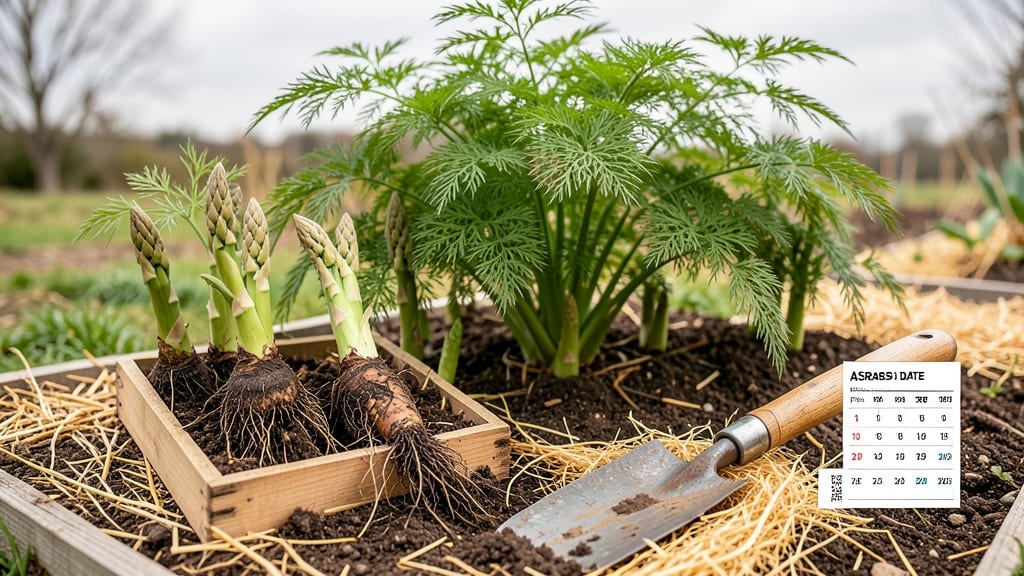
Planting asparagus in Minnesota might seem tricky with its short growing season, but getting the timing right means you could enjoy fresh harvests for 10+ years with almost no extra effort.
The key is understanding when to put those crowns in the ground—whether you're working with early spring soil or preparing for fall's chill.
Most gardeners in USDA Zones 4a-5b focus on early spring planting between March and April, but there’s actually a second window in fall that many overlook.
I’ll break down exactly when to plant, how deep to bury those crowns, and which varieties hold up best against Minnesota’s brutal winters—so you don’t waste time or money on failed crops.
You’ll also discover how to prep your soil for maximum drainage (a critical step in clay-heavy Minnesota gardens) and when to expect your first spears. Spoiler: Patience is key, but the payoff—juicy, homegrown asparagus—is worth every frost-free day you wait.
Let’s dive into the exact timeline, soil secrets, and cold-hardy tips that’ll turn your Minnesota garden into an asparagus powerhouse. Ready to plant for success?
Minnesota asparagus planting timeline: month-by-month breakdown for zones 3-5
Timing is everything when planting asparagus in Minnesota. Unlike annuals, asparagus crowns need 3-4 years to establish before producing spears, so getting the timing right in Zone 3-5 is critical. Plant too early, and frost will kill tender roots; plant too late, and roots won’t anchor before winter.
The sweet spot? Late April to early May when soil temps hit 50°F (10°C).
Minnesota’s short growing season (120-150 frost-free days) demands precision. Most gardeners focus on spring planting, but fall planting is also possible if done 6-8 weeks before first frost (typically by September 15).
Let’s break down the exact windows, soil prep, and frost protection strategies to maximize your asparagus’ survival and yield.
🌱
| Month | Task | Details | Notes |
|---|---|---|---|
| March | Soil Prep | Test soil pH (6.5-7.0); amend with compost and sand for drainage. | Avoid working wet soil. |
| Late April | Plant Crowns | 6-8" deep, 12-18" apart; water deeply after planting. | Soil temp must be ≥50°F (10°C). |
| May | Fertilize & Mulch | Apply 5-10-10 fertilizer; mulch with straw (4" thick). | Protect from late frosts with row covers. |
| September | Fall Planting (Optional) | Plant crowns by Sept 15; roots need 6-8 weeks to establish. | Use black plastic mulch for winter insulation. |
| October | Winter Prep | Add 6" of straw mulch; avoid disturbing roots. | Snow cover provides natural insulation. |
Spring planting in late April is ideal because it gives roots time to establish before Minnesota’s first hard frost (usually October 15). However, if you miss this window, fall planting in September can work—just ensure crowns have 6-8 weeks to root before winter.
I’ve had success with Jersey Knight asparagus planted in early September, thanks to its cold-hardy roots.
Soil temperature is your best indicator for planting. Use a soil thermometer to confirm temps are consistently above 50°F (10°C) for at least 5 days.
In northern Minnesota (Zone 3), this might not happen until mid-May, while southern areas (Zone 5) can plant as early as late April.
🌡️
After planting, mulching is non-negotiable in Minnesota’s climate. A 4-inch layer of straw insulates roots in winter and retains moisture in summer. I’ve seen asparagus beds in Zone 4 survive -20°F (-29°C) winters with proper mulching.
For extra protection, add a 12-inch layer of leaves or straw in late fall, then top with black plastic mulch in spring to warm the soil faster.
One common mistake is rushing to harvest in the first year. Never harvest asparagus in its first year—this stresses the plant and reduces future yields. Instead, let the foliage grow to 3-4 feet tall and build energy for next year’s spears.
In Minnesota, you’ll likely see minimal harvests in year 2 and full production by year 3.
📅
If you’re planting in containers, use a minimum 12-inch-deep pot with drainage holes. Container-grown asparagus needs consistent moisture and full sun (6+ hours daily). I’ve grown asparagus in 5-gallon buckets on my balcony, but yields are smaller than in-ground beds.
For best results, plant 2-3 crowns per container and fertilize lightly every 4-6 weeks during the growing season.
Finally, remember that asparagus is a perennial—once established, it can produce for 15-20 years with proper care. That’s why getting the planting
How to choose and prepare asparagus crowns for Minnesota’s climate
Selecting the right asparagus crowns is half the battle in Minnesota’s Zone 4a-5b climate. Look for healthy, firm crowns with white roots and tight buds—avoid any that look dried out or moldy.
The best varieties for our harsh winters include ‘Jersey Knight’ (disease-resistant) and ‘Mary Washington’ (classic, cold-tolerant), both of which thrive in Minnesota’s short season.
Before planting, soak your crowns in lukewarm water for 2-4 hours to encourage root growth. This step is especially important in Minnesota’s clay-heavy soils, where drainage can be an issue.
While soaking, check for any signs of rot or damage—discard those crowns immediately to prevent spreading disease in your garden.
Now, let’s talk soil prep—the foundation for asparagus success in Minnesota. Asparagus roots need well-draining soil with a pH between 6.5 and 7.5. If your garden soil is heavy clay, mix in 1 part sand or perlite to 3 parts soil.
Add compost or aged manure to improve fertility, but avoid fresh manure, which can burn delicate roots.
| Variety | Cold-Hardiness | Best For | Notes |
|---|---|---|---|
| Jersey Knight | Zone 3-5 | Disease resistance | Faster establishment |
| Mary Washington | Zone 4-7 | Classic flavor | Tolerates wetter soils |
| Purple Passion | Zone 4-6 | Unique color | Slightly sweeter |
When planting, bury the crowns 6-8 inches deep with the tips pointing upward. Space them 12-18 inches apart in rows that are 3-4 feet apart to allow for future growth.
In Minnesota’s unpredictable freeze-thaw cycles, this depth helps protect the crowns from extreme cold while allowing roots to spread freely.
After planting, water deeply to settle the soil and remove any air pockets around the roots. Mulch with 2-3 inches of straw or wood chips to insulate the soil and retain moisture.
This mulch layer is critical in Minnesota’s winters, as it prevents soil heaving and protects the crowns from temperature swings that can damage young roots.
Remember, asparagus plants take 2-3 years to establish before producing spears, so patience is key. But with the right crowns, soil prep, and winter protection, your Minnesota garden will be ready to reward you with juicy, homegrown asparagus for decades to come. 🌱