
Trees
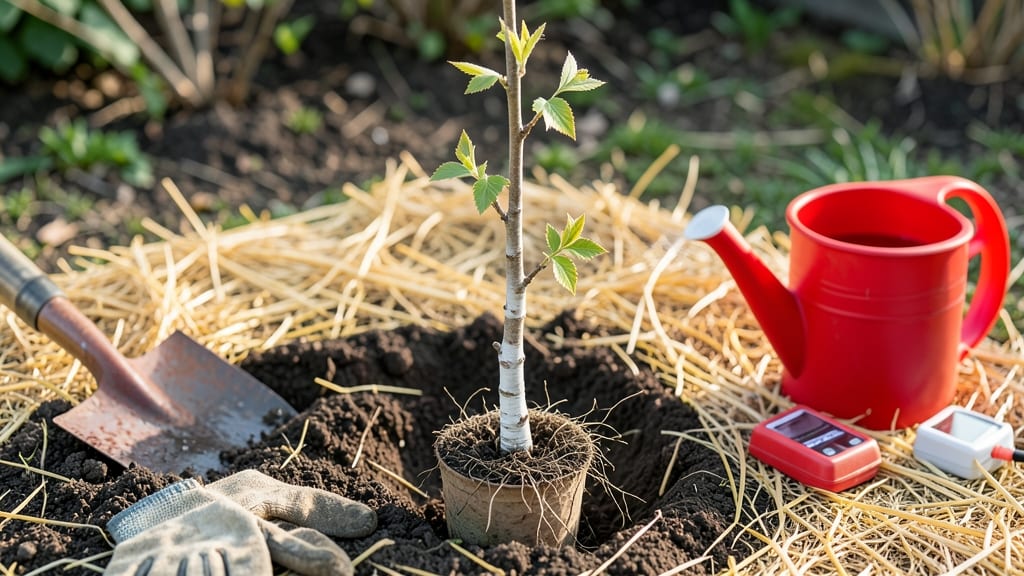
Timing is everything when it comes to planting an Aspen Tree 🌳 in Colorado, and getting it wrong could mean years of disappointment. Whether you're planting in the 5-7 USDA zones or higher mountain elevations, the ideal window is late winter to early spring—before those first buds appear.
Colorado’s climate throws a curveball with its variable frost dates, so rushing the process can leave young saplings vulnerable. I’ve seen too many well-intentioned gardeners plant too late, only to watch their aspen struggle through the first freeze.
The key is patience—wait until soil temperatures stabilize and the threat of hard frost has passed.
Bare-root planting is the preferred method for aspen trees in Colorado, giving roots a chance to establish before summer’s heat sets in. But don’t just dig a hole and drop it in—soil prep is critical.
Aspens thrive in well-drained, slightly acidic soil, and Colorado’s alkaline conditions often need amendments to create the perfect foundation.
Once you’ve picked your spot and prepped the soil, the real work begins. Proper watering and mulching in the first year can make or break your aspen’s survival, especially in Colorado’s dry air.
Let me walk you through the exact steps to ensure your tree takes root strong and grows tall.
Best planting months for aspen trees by Colorado elevation Zone
Colorado’s dramatic elevation changes—from 3,000 feet in the plains to 10,000+ feet in the mountains—create wildly different planting windows for aspen trees (Populus tremuloides). At lower elevations, like Denver or Colorado Springs, March and April are your sweet spot.
But in mountain regions (8,000+ ft), aim for late April to early June when soils thaw and frost risks drop.
Spring planting is critical because aspen trees establish roots aggressively during cool, moist conditions. Planting too late in fall risks winter heaving (roots freezing/thawing), while early spring gives roots 3+ months to anchor before summer drought hits.
For container-grown aspens, you can extend the window slightly into May, but bare-root saplings demand earlier timing.
Urban areas like Boulder or Fort Collins often have warmer microclimates than rural zones, allowing for slightly earlier planting (late February). Always check your last frost date—Colorado’s varies 2-4 weeks by elevation—and plant 2-3 weeks after the average last frost for safety.
🌳 Colorado Aspen Planting Windows by Elevation
| Elevation Zone | Ideal Planting Months | Key Considerations | Soil Prep Tip |
|---|---|---|---|
| 3,000–5,000 ft (Plains) | March–April | Faster thaw; watch for late frosts in April | Amend clay-heavy soils with compost |
| 5,000–7,000 ft (Foothills) | Late March–May | Variable frost; April 15 average last frost | Test pH (6.0–7.5); add lime if needed |
| 7,000–9,000 ft (Mountains) | Late April–June | Slow thaw; June 1 safe for most areas | Use mulch heavily to retain moisture |
| 9,000+ ft (High Peaks) | June–July | Short growing season; prioritize root establishment | Plant near natural water sources if possible |
📌 Pro Tip: For container-grown aspens, you can plant 1 month later than bare-root, but always avoid summer heat stress.
Fall planting is not recommended for aspens in Colorado due to the short frost-free period in most zones. If you must plant in fall, limit it to high-elevation areas (7,000+ ft) and choose dwarf varieties that establish faster.
The goal is to give roots 4–6 weeks of growth before winter dormancy.
Urban gardeners in Denver or Colorado Springs often face compacted soils and limited space. To improve success, amend planting holes with a mix of native compost and sand to mimic aspen’s natural well-drained, rocky soil preferences.
Avoid planting near sidewalks or driveways, as aspen roots spread aggressively and can damage pavement.
Microclimates play a huge role—south-facing slopes warm up faster, while north-facing sites stay cooler. If your yard has partial shade, opt for quaking aspen varieties like Populus tremuloides ‘Nevada,’ which tolerates 3–4 hours of shade better than standard types.
Always plant on the south or west side of structures to maximize sunlight exposure.
For wildland or forest restoration projects, timing shifts slightly. Plant bare-root aspen in late winter (February) when soils are still frozen but not snow-covered. This mimics natural conditions where aspen seeds germinate in spring meltwater. Use native rootstock to ensure genetic compatibility with local ecosystems.
Colorado’s drought cycles mean watering schedules vary wildly. Newly planted aspens need deep watering every 7–10 days during the first 2 growing seasons. After that, they’re drought-tolerant but benefit from mulch rings to retain moisture.
Avoid overwatering, as aspen roots rot easily in waterlogged soil—a common mistake in Colorado’s clay-heavy soils.
🌱 Remember: The <
Best planting months for aspen trees by Colorado elevation Zone
Colorado’s elevation zones create dramatic differences in planting windows for aspen trees. At lower elevations (3,000–5,000 ft), where USDA Zone 6-7 dominates, your best window is March through early April. This gives roots time to establish before summer’s heat arrives.
In contrast, mountain regions (7,000–9,000 ft) in Zone 4-5 should wait until late April to May when soil warms and frost risk recedes.
Microclimates add another layer—urban areas with heat islands may plant 2-3 weeks earlier than rural sites. Always check your local last frost date (typically mid-April in Denver, later at higher elevations) to avoid exposing young trees to cold snaps.
I’ve seen aspen saplings planted in February at lower elevations suffer from late frosts, so patience pays off.
| Elevation Zone | USDA Zone | Ideal Planting Window | Key Consideration |
|---|---|---|---|
| 3,000–5,000 ft | 6-7 | March 15–April 15 | Soil thaws by mid-March; avoid late frosts |
| 5,000–7,000 ft | 5-6 | April 1–May 1 | Wait for consistent daytime temps above 40°F |
| 7,000–9,000 ft | 4-5 | Late April–May 15 | Snowmelt completes by late April; monitor for late snows |
| Urban Microclimates | 6-7 | February 28–March 31 | Heat islands warm soil 2-3 weeks earlier |
Fall planting is risky in Colorado unless you’re in Zone 7 at lower elevations. Even then, aim for September 15–October 1—after leaves change but before hard frosts.
Aspens planted in fall struggle to establish roots before winter dormancy, and Colorado’s unpredictable weather can leave them vulnerable to winter desiccation. I recommend sticking to spring planting unless you’re experienced with local microclimates.
For container-grown aspen trees, you have slightly more flexibility—plant anytime soil isn’t frozen (March through May). The key is to avoid transplant shock by keeping roots moist and providing daily watering for the first 2 weeks.
Bare-root aspen, however, demand precise timing: plant them as soon as soil is workable and before buds swell. Rushing this process can lead to root dehydration in Colorado’s dry winds.
Pro tip: Mark your calendar for the Colorado State University Extension’s frost date maps—they’re updated annually and account for elevation shifts. For example, Denver’s average last frost is April 15, but Aspen (near 8,000 ft) may not thaw until May 10.
Adjust your planting date accordingly to give your aspen the best start.
Once you’ve nailed the timing, focus on soil preparation—aspen trees hate soggy roots. Amend heavy clay soils with compost and sand to improve drainage, and consider a 12-inch mulch ring to retain moisture. Colorado’s alkaline soils often need a pH adjustment (aim for 6.0–7.0), so test before planting.
With the right timing and soil prep, your aspen will reward you with vibrant foliage and that signature quaking motion for decades.