
Plants
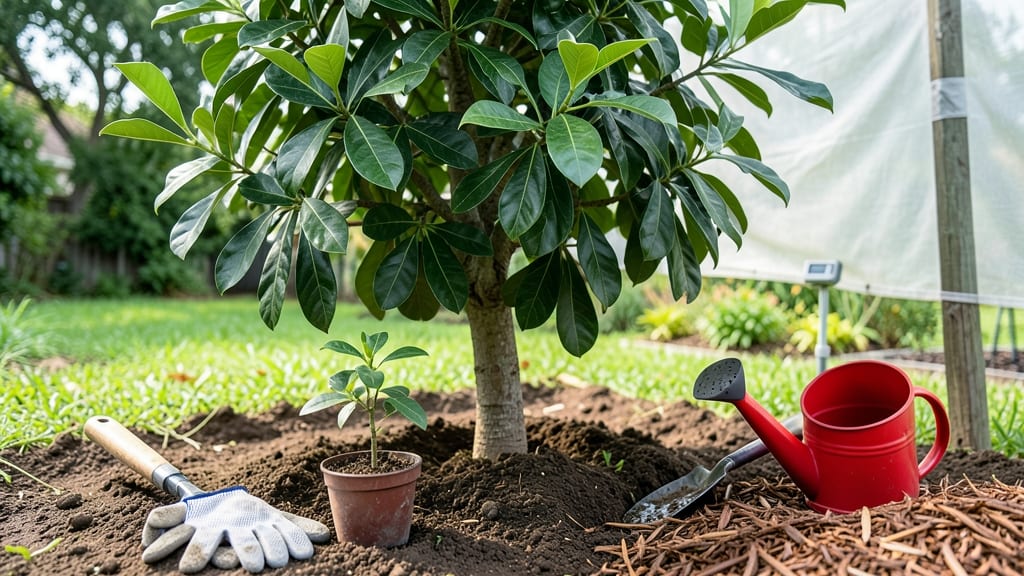
Planting an avocado tree 🥑 in Florida might seem like a no-brainer—after all, frost isn’t a concern—but timing still matters for fast growth and avoiding heat stress.
Unlike northern climates, Florida’s year-round warmth means you can plant almost anytime, but spring and early summer give your tree the best head start.
I’ve seen firsthand how a tree planted in the wrong season can struggle, even in Florida’s 9a-11 zones. The key is avoiding extreme heat spikes in late summer, which can shock young roots.
Whether you’re digging in-ground or using containers, the right month makes all the difference for optimal fruit production.
Let’s cut to the chase: the best months to plant are March through June, when soil stays warm and humidity levels are ideal. But there’s more to it than just the calendar—soil prep, drainage, and even your tree’s variety play a huge role in how quickly it takes off.
Ready to skip the guesswork? I’ll walk you through Florida-specific tips—from soil prep to variety selection—to ensure your avocado tree thrives without frost risk and starts bearing fruit faster than you’d expect.
Optimal Florida planting months for avocado trees: avoiding frost and heat stress
Florida’s frost-free climate means you can plant avocado trees year-round, but timing still matters for fast root establishment and fruit production. Unlike northern states, you won’t need to worry about frost damage, but extreme heat in summer can stress young trees if planted too late.
The best months to plant are January through May, when soil temperatures are ideal for root growth. Spring planting (March-April) gives young trees time to establish before Florida’s peak summer heat arrives.
For container-grown avocados, you can plant anytime, but early spring or fall reduces transplant shock. South Florida’s warmer microclimates allow planting even in June-July, but provide extra shade during establishment.
| Planting Window | Soil Temp | Growth Benefit | Regional Notes |
|---|---|---|---|
| January-February | 65-70°F | Slow but steady root growth | Best for North Florida |
| March-April | 70-75°F | Optimal growth rate | Ideal for statewide planting |
| May-June | 75-85°F | Fast growth but needs shade | Best for South Florida |
| September-October | 70-75°F | Strong root development | Second-best window |
Avoid planting in July-August unless using containers, as Florida’s summer heat can cause transplant shock. Young trees struggle with high evaporation rates and soil compaction during these months.
North Florida gardeners should prioritize spring planting (March-April) to take advantage of warmer soil temperatures before summer arrives. In South Florida, you have more flexibility due to consistent warmth, but still aim for cooler months to reduce stress.
For container planting, timing matters less, but still plant when temperatures are below 90°F to prevent root burn. Move containers to shaded areas during peak afternoon heat if planted in summer.
Remember that soil temperature is more critical than air temperature. Use a soil thermometer to confirm temperatures are above 65°F before planting. Most Florida soils meet this in spring and fall, but sandy soils may require extra mulching for heat retention.
If you miss the ideal windows, don’t worry—avocados are perennial plants that can be planted year-round with proper care. Just be prepared for slower initial growth if planted during Florida’s hottest months.
🌱
How to prepare your Florida soil and site for avocado tree planting
Preparing your Florida soil properly is the secret to fast avocado tree growth and avoiding common pitfalls like root rot or nutrient deficiencies. Unlike northern climates, Florida’s sandy soils often lack organic matter and drain too quickly, while clay-heavy areas can suffocate roots.
The key is creating a well-draining, nutrient-rich environment tailored to avocados’ tropical needs.
Start by testing your soil pH—avocados thrive in slightly acidic soil (pH 6.0-7.0).
Florida’s native soils often skew alkaline, so you may need to amend with peat moss or sulfur to lower pH. I’ve seen avocado trees in pH 7.5 soil struggle with chlorosis, where leaves turn yellow between veins—a classic sign of iron deficiency.
Next, focus on drainage. Avocados hate soggy roots, so avoid low-lying areas where water pools. If your yard has clay soil, mix in 20-30% compost or coconut coir to improve aeration.
For sandy soils, add organic matter like composted leaves or well-rotted manure to help retain moisture without compacting.
• Over-amending with clay – Can create waterlogged pockets.
• Skipping mulch – Florida’s sun bakes soil, leading to crusting.
• Using fresh mulch – Can attract pests and compact when wet.
🌱 Pro Tip: Use 3-4 inches of wood chips and keep 6 inches away from the trunk.
When selecting a planting site, prioritize full sun exposure (6+ hours daily), but protect young trees from afternoon heat with temporary shade cloth if planting in summer.
South-facing locations work best, but avoid reflective surfaces like pavement that can scorch leaves. I’ve had success planting near patio umbrellas for dappled shade during peak heat.
For container planting, use pots with drainage holes and a mix of 50% potting soil, 30% perlite, and 20% compost. Avocados in containers dry out faster—water when the top 2 inches of soil feel dry.
I’ve grown dwarf varieties in 15-gallon pots for years by repotting every 2-3 years to refresh the soil.
Finally, consider microclimate factors. Coastal areas benefit from humidity-loving avocados, while inland spots may need extra irrigation. If your yard has high humidity, space trees 10+ feet apart to improve air circulation and prevent fungal diseases like root rot.
🪴