
Plants
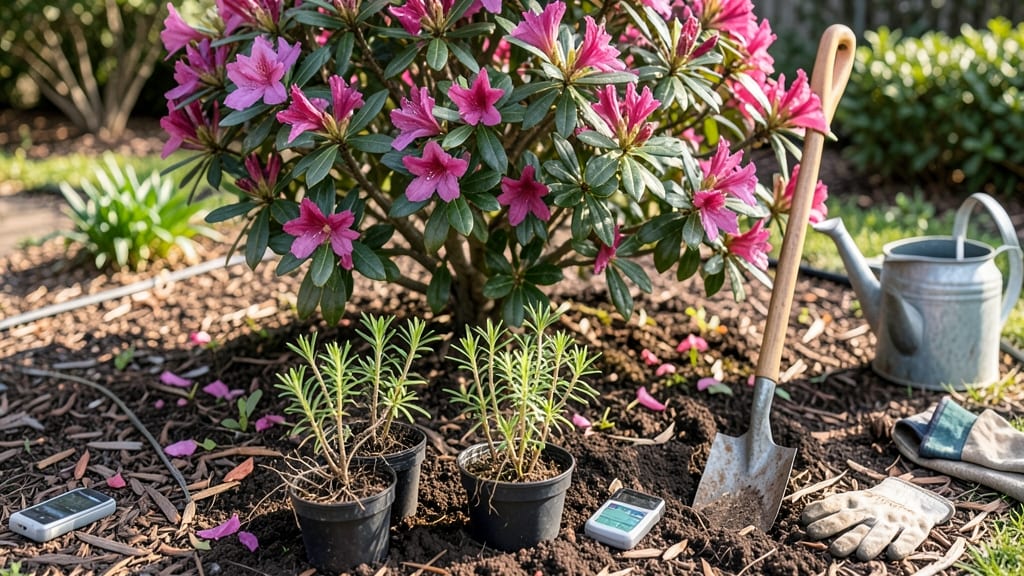
If you’ve ever dreamed of a garden bursting with vibrant 🌸 azaleas but lived in fear of Texas’ scorching summers, there’s good news: the perfect planting window exists—and it’s not what most gardeners assume.
Planting at the wrong time can spell disaster for these acid-loving shrubs, but timing it right means lush blooms that defy the heat.
Texas gardeners face a unique challenge: azaleas crave cooler weather, yet our state delivers 100°F+ heat for months. The key lies in understanding your region’s microclimate—whether you’re in frost-prone North Texas or balmier South Texas—and aligning your planting with the plant’s natural dormancy cycle.
I’ll break down the exact months to plant for maximum survival, plus which heat-resistant varieties will thrive in your yard.
Fall and early spring are your golden opportunities, but not all timing is equal. Plant too late, and your azaleas might struggle with transplant shock; too early, and they could face winter’s wrath.
We’ll also cover critical mistakes to avoid, like ignoring soil acidity or overlooking afternoon shade—both of which can turn your dream garden into a wilting disappointment.
Ready to transform your Texas landscape into a year-round azalea paradise? Let’s dive into the step-by-step guide that’ll have your shrubs blooming like they’re in the Appalachian Mountains—without the frostbite.
Best months to plant azaleas in Texas by region (exact timing)
Planting azaleas in Texas requires precision—timing is everything to beat the heat and avoid frost damage. Unlike cooler climates, Texas gardeners must choose fall or early spring windows when temperatures are mild.
The key is to plant 6-8 weeks before the first frost in your region and avoid the brutal summer months when roots struggle to establish.
Texas spans USDA zones 8a-10b, creating microclimates with vastly different frost dates. North Texas (e.g., Dallas, Fort Worth) has earlier frosts than South Texas (e.g., Houston, San Antonio). This means your planting window shifts dramatically—October-November for North Texas vs. November-December for South Texas in fall.
For spring planting, aim for February-March across all regions. This gives roots time to establish before summer heat peaks. Never plant in summer—the intense Texas sun and heat waves will shock young plants, leading to wilting or death.
Here’s the breakdown by region, including soil prep timing and critical deadlines to avoid frost damage:
| Region | Fall Planting Window | Spring Planting Window | First Frost Date | Soil Prep Deadline |
|---|---|---|---|---|
| North Texas (Zones 8a-8b) | October 15 – November 15 | February 15 – March 15 | December 1 – December 15 | October 1 (amend soil 4-6 weeks before planting) |
| Central Texas (Zones 8b-9a) | November 1 – November 30 | February 20 – March 20 | January 1 – January 15 | October 15 (soil prep complete by Nov 1) |
| South Texas (Zones 9a-10b) | November 15 – December 15 | March 1 – March 31 | January 15 – February 1 | November 1 (soil prep complete by Nov 15) |
Pro tip: Test your soil pH before planting—azaleas thrive in acidic soil (pH 4.5-6.0). Texas native soil is often alkaline, so amend with sulfur or peat moss 4-6 weeks before planting. This gives microbes time to adjust the pH naturally.
For container planting, the timing is slightly more flexible. You can plant year-round in pots as long as daytime temps stay below 90°F. Containers dry out faster, so ensure they have drainage holes and use a well-draining potting mix designed for acid-loving plants.
One critical mistake I see often? Gardeners in South Texas planting in late December or January to avoid summer heat. While the logic seems sound, azaleas need 6-8 weeks of cool weather to establish roots before summer hits.
If you miss the fall window, wait until early spring—never plant in summer.
Finally, mulch heavily after planting to retain moisture and regulate soil temperature. Use 2-3 inches of pine bark mulch (which also lowers soil pH over time) and keep it 2 inches away from the trunk to prevent rot.
Best months to plant azaleas in Texas by region (exact timing)
Texas’s diverse climate means planting azaleas depends heavily on your region. North Texas gardeners face earlier frosts (as early as December), while South Texas enjoys longer frost-free seasons. The key is planting when soil temps are cool but not freezing—ideal for root establishment before summer’s brutal heat.
For North Texas (Zones 7b-8a), aim for October through November or February to early March. These windows avoid late frosts and give roots time to settle before summer’s heat peaks.
In Central Texas (Zones 8a-8b), extend your window to September through November or February to April—just beat the 100°F+ heat waves.
🌱 Texas Azalea Planting Timeline by Region
| Region | Best Planting Months | Avoid Planting After | Key Tip |
|---|---|---|---|
| North Texas (7b-8a) | October–November, February–March | April (heat stress risk) | Mulch heavily to protect roots |
| Central Texas (8a-8b) | September–November, February–April | May (extreme heat) | Use shade cloth if planting late |
| South Texas (9a-10b) | September–October, February–March | June (monsoons + heat) | Plant near water features for humidity |
South Texas gardeners (Zones 9a-10b) have the longest window: September to October or February to March. However, avoid planting in June or July—even heat-resistant varieties struggle with 105°F+ temps and monsoon downpours.
Instead, opt for container planting if you must plant later, as pots dry out faster but can be moved to shade.
Pro tip: Test your soil’s pH (4.5–6.0) before planting—Texas’s alkaline soil often needs sulfur or peat moss to mimic azaleas’ native acidic conditions. Amend the soil 4–6 weeks before planting to give amendments time to integrate. Water deeply after planting to eliminate air pockets and encourage root spread.
For container-grown azaleas, timing is flexible but follow the same regional rules. Containers dry out 3x faster in Texas heat, so use self-watering pots or bury them halfway in the ground for stability. Always plant containers in partial shade to prevent leaf scorch from afternoon sun.
Remember: Azaleas enter dormancy in summer to survive heat. Planting in fall aligns with their natural cycle, while spring planting risks stress from early heat. Choose your window wisely for blooms next spring—not just survival.