
Plants
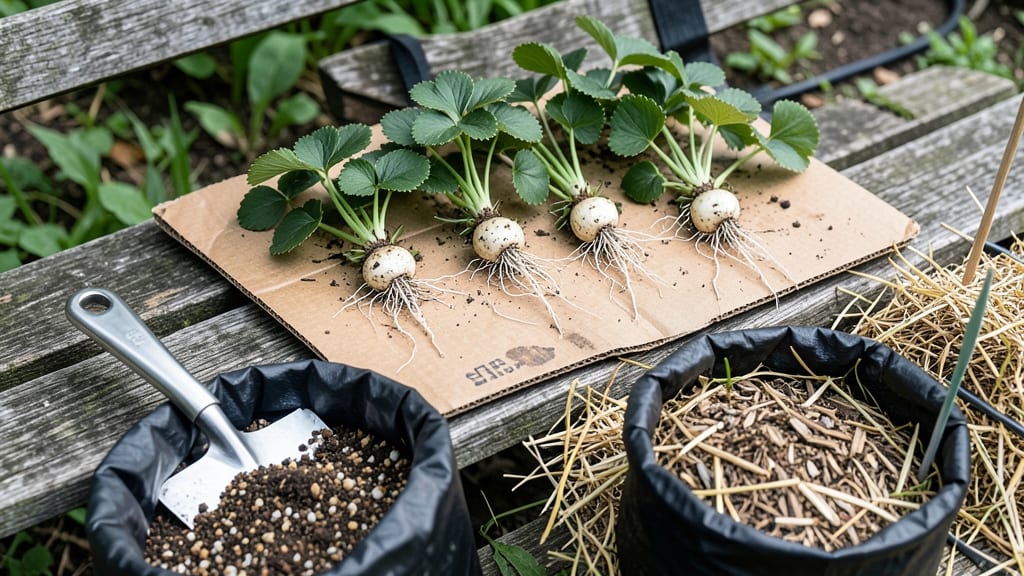
Timing your bare root strawberries in Zone 8 wrong can mean the difference between a bountiful harvest and wasted plants that bolt too soon.
The key to success lies in planting them during that narrow window when soil temperatures are cool but not frozen, and frost isn't lurking around the corner.
For Zone 8 gardeners, the ideal planting window for these 🍓 plants is actually in late fall—specifically between mid-October and early November. This timing lets the roots establish before winter while avoiding the spring rush that often leads to bolting.
But there's a trickier option too: early spring planting can work with the right adjustments.
Why does this matter so much? Because strawberries are sensitive to temperature shifts, and planting at the wrong time can trigger early flowering—meaning you'll get leaves instead of fruit.
I'll walk you through the exact conditions to watch for, including soil temperature thresholds and regional microclimates that might shift your timeline by weeks.
Whether you're a first-time planter or a seasoned gardener, mastering these timing secrets will help you avoid common pitfalls like poor root growth or wasted plants. Let's break down the best approach for your Zone 8 garden so you can enjoy sweet berries all season long.
Optimal fall planting window for Zone 8 bare root strawberries
In Zone 8, the 6-week fall window from mid-October to early December is your best bet for planting bare root strawberries. This timing lets roots establish before winter while avoiding the bolting trigger of warm spring soil. Coastal areas can extend planting slightly later due to milder winters.
Your goal is to plant when soil temperatures drop below 75°F but stay above 40°F. This balance prevents early flowering while allowing roots to harden off. Use a soil thermometer to check—60-65°F is ideal for root growth without stressing the plant.
Here’s why fall works best: June-bearing varieties need winter chilling to fruit, while day-neutral types produce continuously. Planting in fall ensures both types get the 6-8 weeks of cold they need, even in Zone 8’s mild winters.
Before planting, amend your soil with compost or aged manure to improve drainage. Strawberries hate soggy roots, so raise beds or plant on slopes if your yard holds water. A slightly acidic pH (5.5-6.5) also encourages root growth and fruit production.
Mulch heavily after planting with straw or pine needles (4-6 inches). This protects crowns from freezing and thaws, while also suppressing weeds. In Zone 8, mulch prevents soil temperature swings that can shock roots.
Water deeply after planting to settle soil around roots, then reduce to once weekly unless rain falls. Overwatering now can rot roots before they establish. Use drip irrigation to keep foliage dry and prevent fungal diseases like gray mold.
If you’re in coastal Zone 8 (e.g., Southern California), you can plant until early December. Inland areas (e.g., Arizona low desert) should aim for mid-October to avoid winter rains that can rot roots. Always check your last frost date—Zone 8’s ranges from mid-November to early January.
| Factor | Zone 8 Fall Planting Specs | Why It Matters |
|---|---|---|
| Soil Temp | 60-65°F | Prevents bolting while allowing root growth |
| Planting Window | Mid-October to early December | 6-week buffer for root establishment |
| Mulch Depth | 4-6 inches | Insulates crowns from freeze/thaw cycles |
| Watering Post-Plant | Deep water, then weekly | Encourages root growth without rot risk |
| Soil pH | 5.5-6.5 | Optimal for nutrient uptake and fruiting |
After planting, avoid fertilizing until spring. Strawberries are light feeders in winter, and excess nitrogen can stimulate early growth that freezes. Instead, focus on protecting roots—add a 12-inch layer of mulch in late fall to shield crowns from temperature swings.
If you miss fall planting, don’t panic—spring is still an option, but it requires extra care. The key is to shade new plants for the first 2 weeks to reduce stress. Use shade cloth (30-50%) or plant under temporary row covers until roots establish.
Remember: Day-neutral varieties like 'Seascape' or 'Tristar' are more forgiving for late planting, while June-bearing types like 'Chandler' need precise timing. Always check your nursery’s recommendations for the exact variety you’re planting.
Optimal fall planting window for Zone 8 bare root strawberries
In Zone 8, the perfect window for planting bare root strawberries is between mid-October and early November. This 6-week span gives roots time to establish before winter dormancy while avoiding the spring bolting risks.
The key is soil temperatures between 40°F and 50°F—too warm, and plants may bolt; too cold, and they won’t root properly.
Why this timing? Strawberries planted in fall have a head start. Their roots grow slowly through winter, then explode with growth in spring—ready to fruit when temperatures rise. In contrast, spring-planted strawberries often struggle to catch up, leading to weak plants or premature flowering.
Your first step is checking soil temperature. Use a soil thermometer to confirm it’s below 50°F at a 4-inch depth. If it’s warmer, wait 1-2 weeks.
In inland Zone 8 areas (like Phoenix), aim for late October, while coastal regions (like San Diego) can plant until early December due to milder winters.
Zone 8 Strawberry Planting Summary
| Stage | Action | Notes |
|---|---|---|
| Soil Prep | Test pH (5.5-6.5) | Amend with compost |
| Planting Time | Mid-Oct to Early Nov | Soil temp: 40-50°F |
| Spacing | 6-12 inches apart | Rows 18-24 inches apart |
| Mulching | 3-4 inches | Straw or pine needles |
| Watering | Deep watering | Keep soil moist |
After planting, mulch heavily with straw or pine needles (3-4 inches) to insulate roots. This protects against freeze-thaw cycles and retains moisture. Avoid synthetic mulches—they can suffocate roots. In areas with hard freezes (like Las Vegas), add a light row cover for extra protection.
Pro tip: If you’re in a coastal Zone 8 (like Santa Barbara), you can push planting to early December since winters are milder. Just monitor weather forecasts for unexpected cold snaps. For inland areas, stick to the mid-October deadline to avoid winter stress.
Once planted, water deeply but infrequently. Strawberries hate soggy roots, so aim for 1 inch of water per week (more in summer). In fall, reduce to every 10-14 days once roots are established. This balance prevents rot while keeping plants hydrated for spring growth.