Plants
Timing your basil planting in Seattle isn’t just about avoiding frost—it’s about dodging the 50°F+ soil threshold that keeps your 🌿 thriving. Get it wrong, and you’ll watch your tender plants bolt or wilt before they even take off.
The secret? Planting between mid-April and early June—but not all Seattle gardeners have the same luck.
Why? Because Seattle’s USDA Zone 8a climate throws curveballs: urban heat islands can push soil temps up faster than rural areas, while late frosts might linger in the hills.
I’ll break down the exact window to plant—plus how to adjust for your microclimate—so you can grow basil that’s lush, flavorful, and bolting-free all summer.
Most gardeners in the city swear by late May as the sweet spot, but there’s more to it. We’ll also cover how to extend your growing season with cold frames or containers, because Seattle’s short 165 frost-free days mean every extra week counts. Ready to master your basil timing?
Skip the guesswork and learn the 3 key signs your soil is ready—plus how to troubleshoot if your plants still bolt. Trust me, your pesto game will thank you.
Seattle’s ideal basil planting weeks: exact dates to prevent bolting
Seattle’s USDA Zone 8a-8b climate means your basil planting window is tight—just 4-6 weeks between last frost (mid-April) and heat stress (late June). Plant too early, and frost will kill seedlings. Plant too late, and bolting (premature flowering) turns your herb into a bitter, woody mess.
My exact planting window for Seattle gardeners? Mid-May to early June. This gives your basil enough time to establish roots before summer’s 80°F+ heat waves trigger bolting. But don’t stress—adjust for your microclimate (urban vs. rural, sunny vs. shaded) with these key dates:
📅 Key Dates for Seattle Basil Planting:
- Start seeds indoors: March 15–April 1 (4–6 weeks before last frost)
- Transplant seedlings outdoors: May 15–June 1 (after soil reaches 50°F+)
- Avoid planting after: June 15 (heat risk increases dramatically)
- Last safe harvest window: September 15 (before first frost)
| Stage | Action | Seattle Timeline | Key Risk |
|---|---|---|---|
| Indoor Start | Sow seeds in trays | March 15–April 1 | Damping off (fungus) |
| Hardening Off | Acclimate seedlings | April 20–May 5 | Cold shock |
| Outdoor Transplant | Plant after frost | May 15–June 1 | Frost damage |
| Active Growth | Harvest & prune | June–September | Bolting (heat stress) |
| Season End | Save seeds or compost | October 15+ | Frost kills plants |
Seattle’s urban heat islands can push temperatures 5–10°F hotter than rural areas. If you’re in a sunny downtown spot, plant basil 1–2 weeks later (early June) to avoid bolting. Conversely, shaded or coastal areas (like West Seattle) can handle earlier planting (late April) since they stay cooler.
Test your soil’s readiness with a thermometer. Basil roots need consistently warm soil—aim for 50°F+ at a 2-inch depth. If your soil is still chilly, delay planting or use black plastic mulch to warm it faster.
Pro tip: Morning sunlight on your garden bed accelerates soil warming by 3–5°F.
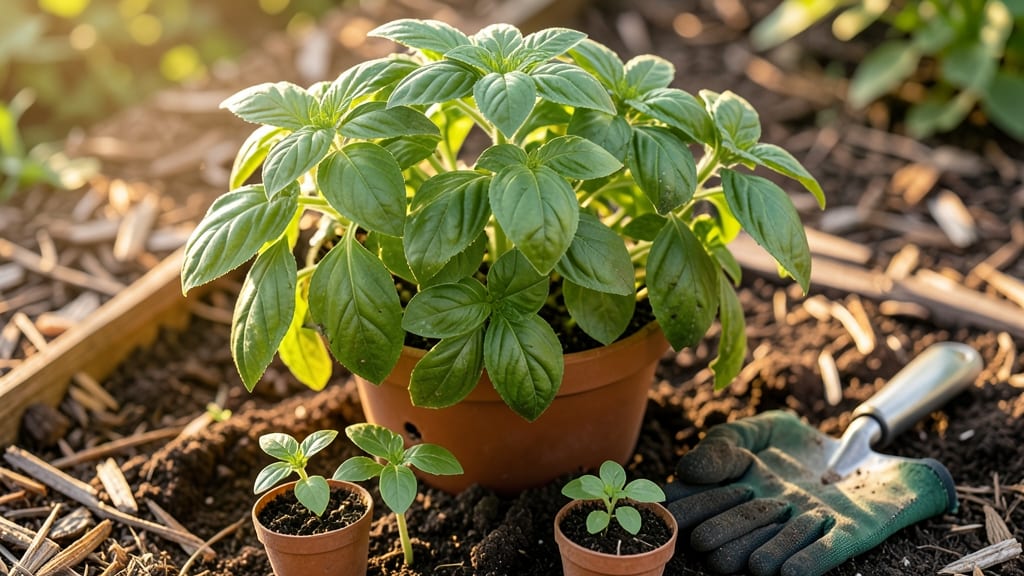
For container gardening, your timing is even more flexible. Pots warm up faster, so you can plant 2 weeks earlier than in-ground. Just ensure your container has drainage holes—basil hates soggy roots.
I’ve grown basil in 5-gallon pots on my balcony as late as June 10 with row covers for nighttime protection.
Watch for Seattle’s infamous heat spikes in July. If temperatures hit 85°F+ for more than 3 days, your basil will bolt. Shade cloth (30–50%) can buy you 2–3 extra weeks of harvest.
I’ve used white shade cloth to extend my basil season into early August—just secure it loosely to avoid trapping heat.
Don’t forget: Basil is a tender annual in Seattle. Even with perfect timing, it won’t survive winter. Plan to replant every year or save seeds from your healthiest plants. If you’re ambitious, try overwintering indoors—but expect smaller yields and potential pest issues.
Your first harvest should come 6–8 weeks after transplanting (late July). Pinch off flower buds immediately—they signal the end of your basil’s prime leaf-producing days. With the right timing, you’ll enjoy
Seattle’s ideal basil planting weeks: exact dates to prevent bolting
Seattle’s USDA Zone 8a climate gives you a narrow window to plant basil without risking frost or heat stress. The ideal planting window is between mid-April and early June, but timing depends on your microclimate.
Urban areas like Ballard warm up faster than rural spots like Carnation, so adjust accordingly.
Most gardeners aim for late May as the safest bet, when soil temperatures consistently hit 50°F+. This timing avoids both late frosts (common until mid-April) and the heat-induced bolting that strikes by July.
Check your local last frost date—Seattle’s averages March 15th, but hillsides can lag by weeks.
🌱 Did You Know?
Seattle Basil Planting Timeline
| Stage | Action | Notes |
|---|---|---|
| Early April | Start seeds indoors | Use grow lights for 12+ hours/day |
| Mid-April | Hardening off seedlings | Acclimate for 1 week before transplanting |
| Late May | Transplant outdoors | Soil must be 50°F+; use row covers if frost risk |
| June-August | Harvest regularly | Pinch flowers to prevent bolting |
For container gardening, you can plant slightly earlier (early April) since pots warm up faster. Just place containers in south-facing spots and use black plastic mulch to accelerate soil warming. If you’re in a cooler microclimate, like the Eastside, wait until early June to avoid cold snaps.
Pro tip: Test your soil temperature with a soil thermometer—basil roots need 50°F+ to thrive. If temps are cooler, delay planting or use row covers for protection. The goal is to give your plants 6-8 weeks of warm weather before the first frost hits in mid-October.
Don’t wait until June to plant! Basil grows best when transplanted young, and late starts often lead to bolting (flowering) by August. If you miss the window, opt for slow-bolting varieties like ‘Spicy Globe’ or grow basil in containers indoors for a late-season harvest.
Remember: Seattle’s short growing season means every day counts. Plant at the right time, and you’ll enjoy fresh basil from July through September—just in time for pesto season! 🌿