
Plants
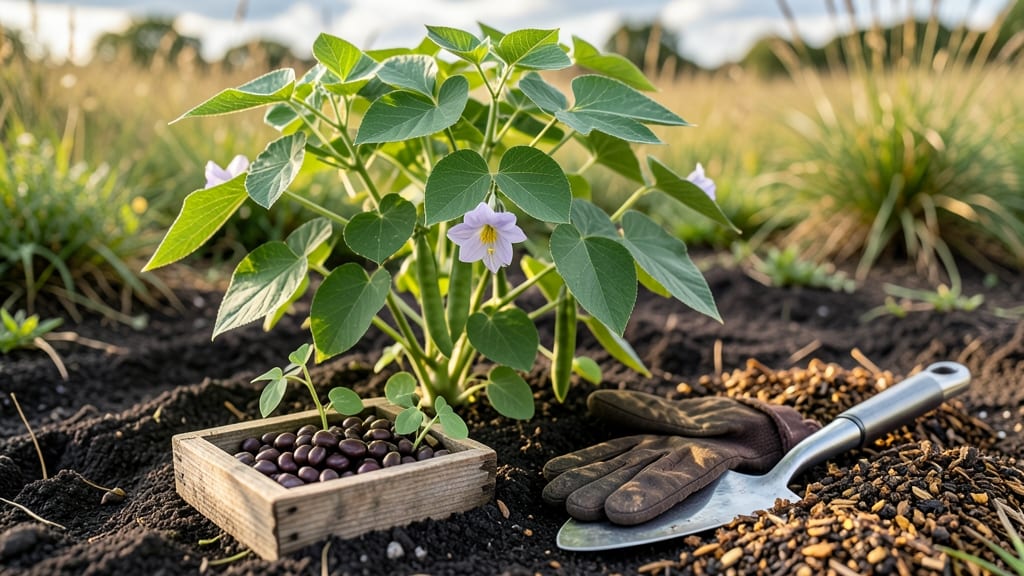
Timing your bean planting in Florida isn't just about the calendar—it's about dodging the heat stress that turns sweet pods into bitter, bolted messes.
With year-round growing potential in zones 9a-11, most gardeners assume beans are a free-for-all, but the truth is far more precise: plant too early, and you risk stunted growth; too late, and your harvest shrinks before it starts.
I’ve grown 🌱 beans in Florida for years, and the sweet spot isn’t just one season—it’s a strategic window that shifts with humidity and soil temps.
Whether you’re cultivating bush beans for quick harvests or pole varieties for climbing vines, the key is avoiding the dog days of summer when even shade can’t save your seedlings. Let’s break down the exact months to plant for zero bolt risk and maximum yields.
Most Florida gardeners overlook the fall planting window, which often delivers the most reliable harvests. While spring gets all the attention, cooler temperatures and shorter days in late summer and early fall create ideal conditions for beans to thrive without wilting under the sun.
Plus, you’ll avoid the pest pressure that spikes in summer, giving your plants a fighting chance.
Ready to skip the guesswork? I’ll walk you through the proven schedule—from soil temperature checks to succession planting tricks—that’ll have you harvesting fresh pods for months, not weeks. No more wasted seeds or bitter surprises.
Best planting months for Florida beans: avoiding bolting and heat stress
Florida’s warm climate means beans can technically grow year-round, but timing is everything to avoid bolting (premature flowering) and heat stress. Most varieties thrive when soil temperatures stay between 60°F and 85°F, making fall and late winter the sweet spots for optimal yields.
Unlike northern states, Florida gardeners don’t need to worry about frost, but summer heat (above 90°F) can cause beans to bolt or produce bitter pods. The key is planting when daytime highs are consistently below 85°F, which aligns with Florida’s cooler seasons—typically September through March.
Beans hate extreme heat, so avoid planting during Florida’s peak summer months (June-August). Even heat-tolerant varieties like ‘Scarlet Runner’ pole beans struggle when daytime temps exceed 90°F for more than 2 weeks, leading to poor pod set and stunted growth.
For bush beans, the best window is September to November and February to April.
These varieties mature quickly (50-60 days), so timing them to finish before summer heat arrives is critical. Pole beans, which take 60-90 days, benefit from an early September or late February start to avoid bolting.
Here’s the golden rule: Plant when the average daily high is 75°F or lower. In Florida, that’s usually September-October for fall crops and February-March for spring crops. North Florida’s cooler microclimates can extend this window slightly earlier in April or later in November.
🌱Pro Tip: Use a soil thermometer to confirm temps before planting. Beans won’t germinate well in soil below 60°F or above 90°F, even if air temps seem ideal.
| Planting Window | Best Varieties | Soil Temp Range | Days to Maturity | Risk Level |
|---|---|---|---|---|
| Early Fall (Sept-Oct) | ‘Blue Lake,’ ‘Contender,’ ‘Scarlet Runner’ | 60°F–80°F | 50–60 days | Low (ideal) |
| Late Winter (Feb-Mar) | ‘Kentucky Wonder,’ ‘Roma,’ ‘Provider’ | 65°F–75°F | 60–75 days | Low (ideal) |
| Spring (April-May) | ‘Tendergreen,’ ‘Mascotte’ (heat-tolerant) | 70°F–80°F | 55–65 days | Medium (watch for heat) |
| Summer (June-Aug, riskiest) | ‘Cowpeas’ (heat-resistant) | 80°F–85°F (max) | 60–90 days | High (bolting risk) |
If you’re eager for a summer harvest, consider shade cloth (30-50%) to protect seedlings from intense afternoon sun. Cowpeas are your best bet for June-July plantings, as they tolerate higher temps better than common beans. Just be prepared for smaller yields and more frequent harvesting to avoid bitterness.
For North Florida gardeners (Zones 8a-9a), the window is slightly narrower due to cooler winter nights. Aim for March-April and September-October plantings to align with soil warming trends. South Florida (Zones 10a-11) has more flexibility but must avoid peak summer entirely—even ‘Black Valentine’ beans struggle in August heat.
💡Key Takeaway: Florida’s two prime windows—fall (Sept-Oct) and late winter (Feb-Mar)—offer the best balance of cool temps, high yields, and low bolting risk. Stagger plantings every 2-3 weeks within these windows for a continuous harvest.
Best planting months for Florida beans: avoiding bolting and heat stress
Florida’s year-round growing potential might make you think beans can be planted anytime, but nothing could be further from the truth. Beans are heat-sensitive crops—they bolt (flower prematurely) when soil temps hit 85°F+, turning sweet pods into bitter, stringy messes.
The ideal window is when daytime highs stay below 80°F and nights dip into the 60s.
Most Florida gardeners focus on spring planting, but the fall season (August through October) often delivers the most reliable harvests. Cooler temps and shorter days prevent bolting, while humidity remains high enough to support steady growth.
Even in North Florida, where winter nights can dip into the 40s, beans thrive with a little protection.
Here’s the exact schedule I follow for zero bolt risk and peak yields:
| Planting Window | Soil Temp | Daytime Highs | Variety Recommendation |
|---|---|---|---|
| Late January–Early March | 60–70°F | 70–78°F | Bush beans (e.g., Blue Lake, Kentucky Wonder) |
| August–September | 75–80°F | 85–90°F (with afternoon shade) | Pole beans (e.g., Rattlesnake, Scarlet Runner) |
| October–November | 65–75°F | 75–82°F | Heirloom varieties (e.g., Romano, Pinto) |
| December (North FL only) | 55–65°F | 65–72°F | Cold-hardy winter beans (e.g., Oregon Sugar Pod) |
Summer planting (June–July) is possible in South Florida (zones 10b–11), but only with shade cloth and drip irrigation to keep soil temps below 80°F. I’ve had success with black beans and lima beans in this window, but yields are 50% lower than fall harvests.
For most of Florida, summer beans are a gamble.
Pro tip: Use a soil thermometer to confirm temps—beans won’t germinate well below 60°F or above 90°F. If your soil runs hotter, plant in raised beds with mulch to regulate temperature. This simple trick can extend your planting window by 2–3 weeks in either direction.
Bolting isn’t just about heat—it’s also tied to day length. In Florida, days shorten after June 21st, triggering flowering in sensitive varieties. To delay bolting, choose determinate varieties (bush beans) over indeterminate (pole beans) for early summer plantings. For pole beans, stick to fall or winter schedules.