
Plants
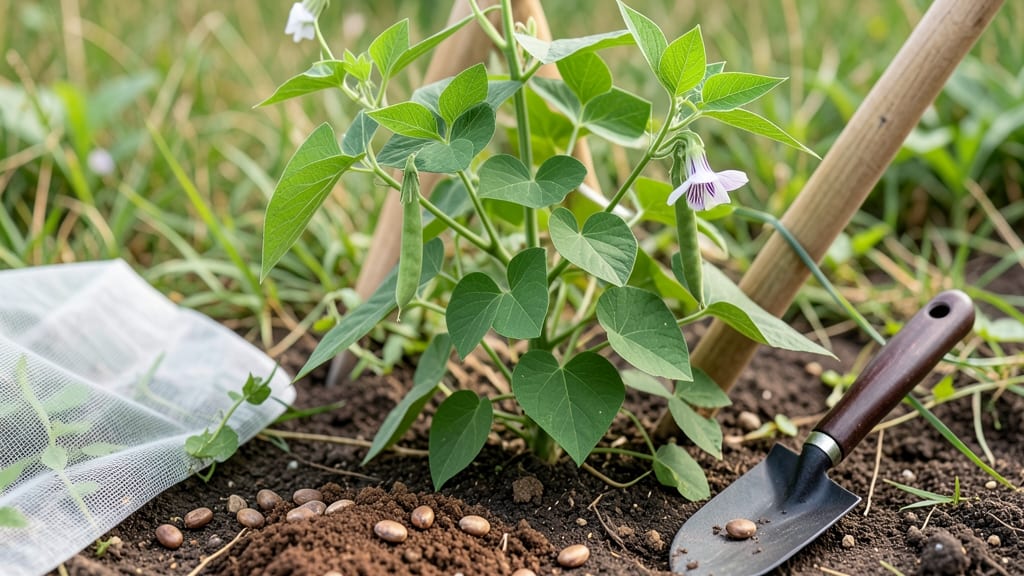
Timing your beans planting in Ontario could mean the difference between a thriving harvest and a frost-killed disappointment. With the province's short growing season and unpredictable spring weather, knowing exactly when to plant—whether you're growing bush or pole varieties—isn't just helpful, it's essential.
Most Ontario gardeners wait until after the last frost, typically between May and June, when soil temperatures hit at least 50°F (10°C). But here's the catch: not all beans thrive on the same schedule.
Pole beans, which climb and produce later in the season, need a slightly earlier start, while bush beans can handle a bit more flexibility.
I've grown beans 🌱 in Ontario's 5b-6a climate for years, and I can tell you—getting the timing right isn't just about avoiding frost. It's about maximizing your plant's potential to produce tender pods from July through September, even when summer days start to shorten.
In this guide, I'll break down the exact planting windows for your region, whether you're in Toronto, Ottawa, or further south. You'll learn how to adjust for soil warmth, variety differences, and even indoor starting techniques to give your beans the best possible head start in Ontario's unpredictable spring.
Ontario bean planting timeline: frost dates by region and variety
Ontario’s last frost dates vary dramatically across regions, making precise timing critical for bean success. In Toronto, the average last frost falls around May 15, while Ottawa sees its last frost closer to May 25.
Southern Ontario cities like London and Windsor enjoy earlier windows, often by May 1-10. These dates mark your planting deadline, but soil temperature is just as important.
Beans thrive when soil reaches at least 10°C (50°F), a threshold typically met 2-3 weeks after the last frost in most of Ontario. Use a soil thermometer to confirm—cold soil delays germination and weakens seedlings.
In cooler regions like Ottawa, wait until late May or early June to ensure optimal conditions. This two-week buffer prevents frost damage and ensures vigorous growth.
For bush beans, which mature faster (50-60 days), aim to plant 2-3 weeks after your last frost date. Pole beans, needing 70-90 days, should go in 1-2 weeks earlier to maximize their growing season.
Heirloom varieties often fall in between—always check seed packets for days to maturity and count backward from your first expected frost (typically mid-October).
| Region | Avg. Last Frost | Ideal Planting Window | Soil Temp Requirement | Best Varieties |
|---|---|---|---|---|
| Toronto | May 15 | May 25 - June 10 | 10°C (50°F) | Contender, Blue Lake |
| Ottawa | May 25 | June 10 - June 25 | 12°C (54°F) | Kentucky Wonder, Provider |
| London | May 5 | May 15 - May 30 | 10°C (50°F) | Blue Lake, Tendercrop |
| Windsor | May 1 | May 10 - May 25 | 10°C (50°F) | Contender, Roma II |
Ontario’s USDA Zones 5b-6a mean some areas experience microclimates that can shift planting by 1-2 weeks. South-facing slopes or urban heat islands may allow earlier planting, while low-lying areas or shaded spots delay it.
To hedge your bets, use row covers or black plastic mulch to warm soil faster—especially for pole beans, which need a longer season.
If you’re growing heirloom varieties or slower-maturing types, consider succession planting in late June for a fall harvest. Choose varieties like Black Valentine or Scarlet Runner, which tolerate cooler temperatures better. Just remember: these late plantings must be in by July 15 to avoid frost damage before maturity.
For container gardening in Ontario, start seeds indoors 4-6 weeks before your last frost date using biodegradable pots. Transplant seedlings outdoors after soil warms, burying pots halfway to encourage root growth.
Containers heat up faster, so monitor soil temperature closely—beans in pots can overheat if left in full sun without shade.
Always check your local Environment Canada frost forecast for real-time updates, as climate change has extended Ontario’s growing season in some areas. In 2023, Toronto’s last frost was delayed until May 28, giving gardeners an extra 2 weeks of planting time.
Stay flexible and adjust based on actual weather patterns, not just averages.
Pro tip: Plant a test row of fast-maturing bush beans 2 weeks before your ideal window to gauge soil readiness. If they thrive, you can safely plant your main crop earlier. This low-risk strategy helps avoid costly mistakes in Ontario’s unpredictable climate.
🌱
Best bean varieties for Ontario’s short season: early vs. late planting strategies
Ontario’s short growing season demands smart variety choices—some beans mature in just 50 days, while others need 70+ days to produce. For my garden, I prioritize fast-maturing varieties like Contender or Blue Lake (50-60 days) to ensure a harvest before frost.
These work perfectly for late May plantings in most regions.
Pole beans like Kentucky Wonder or Rattlesnake (70-80 days) need an earlier start—think early May in southern Ontario—to climb and produce before summer’s end. I’ve found that succession planting every 2 weeks from May to June keeps pods coming until September.
For heirlooms like Scarlet Runner (80+ days), I focus on southern Ontario (London/Windsor) where the season stretches longer. In cooler areas like Ottawa, I opt for dwarf varieties like Mascotte (55 days) to avoid frost risks.
Pro tip: Check seed packets for days to maturity and count backward from your average first frost date (mid-October). For example, a 60-day bean planted May 15th should yield by July 15th—just in time for peak harvest season!
🌱 Ontario Bean Variety Guide
- 🌱 Fast-Maturing (50-60 days):
- Contender (Bush) – May 20-June 10 planting
- Blue Lake (Bush) – May 15-June 5 planting
- Mascotte (Dwarf) – May 10-June 15 (great for containers)
- 🌿 Medium-Maturing (60-70 days):
- Kentucky Wonder (Pole) – May 1-May 15 (needs trellis)
- Provider (Bush) – May 10-June 1 (disease-resistant)
- 🌳 Late-Maturing (70+ days):
- Scarlet Runner (Pole) – April 25-May 10 (only for southern ON)
- Rattlesnake (Pole) – May 1-May 15 (long vines, needs space)
💡 Planting Tip: Use row covers for early plantings to extend the season by 2-3 weeks!
Don’t overlook succession planting—it’s my secret to continuous harvests. After your first planting yields, sow a second batch 3-4 weeks later to replace waning production. For example, if your first Blue Lake batch finishes by August 1st, plant Mascotte around July 15th for a late-season boost.
For pole beans, I always install trellises in early May—even before planting—to give vines immediate support. This prevents sprawling and maximizes space in small gardens. Pair dwarf varieties with pole beans in containers for urban balconies!