
Plants
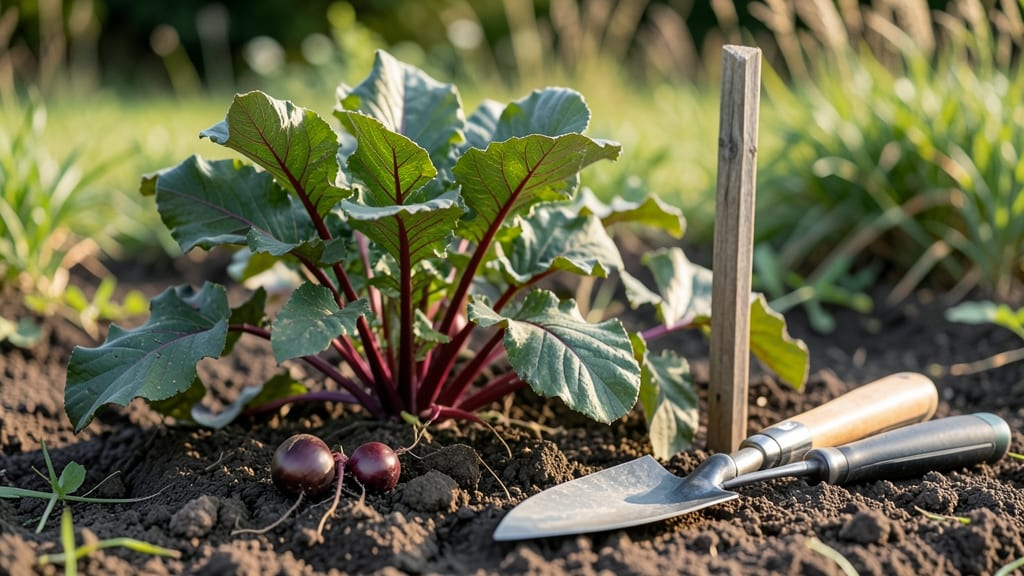
Timing your beet planting in Illinois is the game-changer between a fast, bountiful harvest and struggling seedlings. With our cool springs and unpredictable weather, getting those 🥕 seeds in the ground at the right moment makes all the difference.
Most Illinois gardeners know beets thrive in both spring and fall, but the exact windows matter more than you think. Plant too early, and cold soil will slow germination to a crawl. Too late, and you might miss the sweet spot for tender roots before summer heat sets in.
I’ll break down the ideal planting windows—from March through April for spring harvests and August through September for fall—plus soil temperature tricks to ensure your beets sprout quickly. No more waiting weeks for those first green shoots!
Whether you're a seasoned gardener or just starting, these insights will help you avoid common pitfalls and grow beets that are ready to harvest in just 50 days. Let’s get those seeds in the ground the right way.
Best planting windows for beets in Illinois: month-by-month guide
Timing your beet planting in Illinois is all about beating the last frost date while avoiding the summer heat. Most Illinois gardeners fall into USDA Zones 5b-7a, where the average last frost occurs around April 15.
This gives you two prime planting windows: early spring and late summer.
For spring plantings, start seeds indoors 4-6 weeks before your last frost date or sow directly into the garden 2-3 weeks after the last frost. This typically lands between March 15 and April 30, depending on your specific location within the state.
In northern Illinois, aim for the later end of this window to avoid frost damage.
Fall plantings are equally important for a second harvest. Sow seeds 8-10 weeks before your first frost, which usually falls around October 15. This means your late summer planting window runs from August 15 to September 15. Fall-planted beets often develop sweeter flavors as they mature in cooler weather.
Here’s a quick reference for Illinois’ planting windows based on typical frost dates:
📅 Illinois Beet Planting Timeline
| Season | Planting Window | Key Considerations | Harvest Time |
|---|---|---|---|
| Spring | March 15 - April 30 | Soil temp ≥ 50°F; avoid late frosts | June - July |
| Fall | August 15 - September 15 | Sow 8-10 weeks before frost; cooler temps sweeten roots | October - November |
| Extended Season | May 15 - June 15 | Use shade cloth for heat-sensitive varieties; harvest before bolting | July - August |
⚠️ Note: Adjust dates 1-2 weeks earlier in northern Illinois (Zone 5b) and 1-2 weeks later in southern Illinois (Zone 7a).
If you’re aiming for a continuous harvest, consider staggered plantings every 2 weeks during your primary windows. This ensures you always have mature beets ready to harvest while younger plants keep growing.
For example, plant a batch on March 15, another on April 1, and a final one on April 15 for a steady supply through summer.
For gardeners in urban or container settings, start seeds indoors 6-8 weeks before your last frost date. Use biodegradable pots to transplant seedlings outdoors without disturbing roots. This method extends your growing season by 3-4 weeks compared to direct sowing.
One common mistake is planting beets too early in spring when soil temperatures are still below 50°F. Cold soil slows germination and can lead to rot or poor seedling health. Always check soil temperature with a soil thermometer before planting. Aim for 50-70°F for optimal germination and growth.
In southern Illinois, where summers are hotter, focus on early spring and fall plantings to avoid the peak heat of July and August. If you must plant in summer, choose heat-tolerant varieties like 'Detroit Dark Red' and provide afternoon shade to prevent bolting.
Remember, beets are cool-season crops, so they thrive in moderate temperatures. Ideal growing conditions are between 55-75°F. If temperatures rise above 80°F, growth slows, and beets may bolt prematurely. Use mulch to keep soil cool and retain moisture during hot spells.
For a foolproof approach, mark your last frost date on your calendar and work backward from there. Most seed packets include a days-to-harvest range, which helps you calculate when to plant for your desired harvest time.
With these Illinois-specific guidelines, you’ll be well on your way to a bountiful beet harvest! 🌱
Soil temperature secrets: how to speed up beet germination in cool climates
Illinois' unpredictable spring weather can leave your beet seeds sitting in cold soil for weeks, delaying germination. Beets thrive when soil temperatures reach 50°F (10°C)—any cooler, and they’ll sulk in the ground.
I’ve learned the hard way that patience alone won’t speed up sprouting; you need a strategy to warm the soil and protect tender seedlings.
Start by testing your soil temperature with a soil thermometer—plant only when it consistently hits 50°F (10°C) at a depth of 1 inch. In northern Illinois (zones 5a-5b), this often means waiting until mid-April, while southern regions (zone 6a) can start as early as late March.
Don’t rush it: cold soil is the #1 reason for slow or failed germination.
Here’s my go-to trick: use black plastic mulch or row covers to warm the soil by 5-10°F (3-6°C). Lay the mulch 1-2 weeks before planting to give the soil a head start.
For extra insurance, plant seeds ½ inch deeper than usual (about 1 inch total) in cooler soil—the extra depth shields them from temperature swings near the surface.
⚠️ Warning: Avoid These Germination Killers
- Planting too early: Seeds rot in 40°F (4°C) soil or below.
- Skipping mulch: Cool nights slow germination by 30-50%.
- Overcrowding seeds: Thinning too late stresses seedlings.
Pro Tip: If soil is below 50°F (10°C), try seedling trays indoors under grow lights until transplanting.
For fall plantings, aim for soil temps between 60-75°F (15-24°C)—warmer than spring! August is ideal in Illinois, but monitor temps closely. If a heatwave hits, shade cloth protects seeds from drying out while keeping the soil warm enough for germination.
I’ve had success with 50% shade cloth during 90°F+ (32°C+) days.
Once seeds sprout, keep the soil consistently moist but not soggy—beets hate waterlogged roots. Use a light mulch layer (straw or grass clippings) to retain moisture and regulate temperature. In my garden, this simple step cut germination time from 3 weeks to just 10 days during cool springs.
Remember: Patience pays off, but so does preparation. By mastering soil temperature and using these tricks, you’ll turn Illinois’ cool climate into your beet-growing advantage. Happy planting!