
Plants
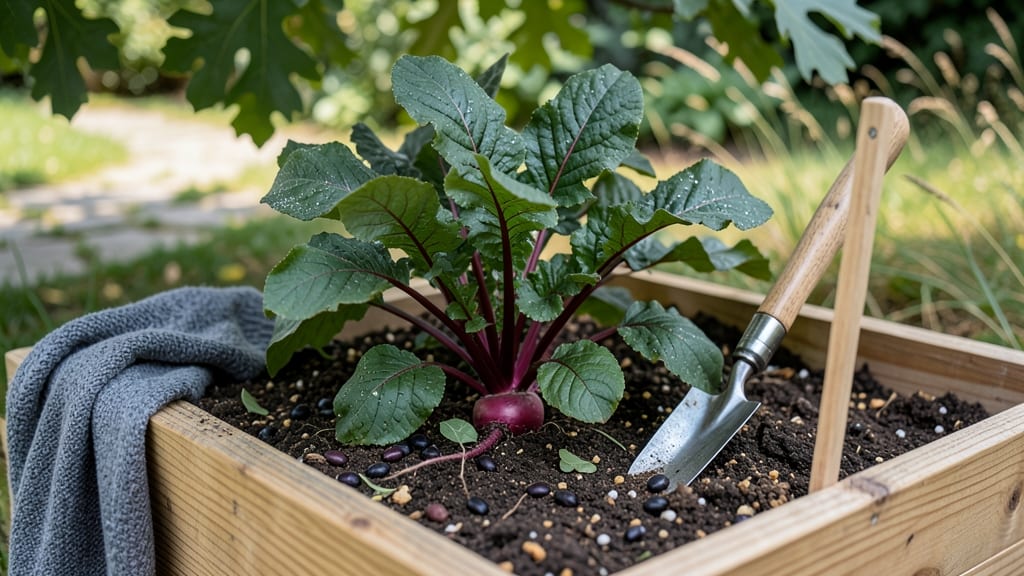
Timing your beet planting in South Carolina isn’t just about months—it’s about soil temperatures that make the difference between fast germination and frustration. If you’ve ever watched seeds sit stubbornly in the ground while the heat rises, you know how critical this window is.
Here’s the secret: 40°F–85°F soil temperatures are your sweet spot for 🟫 beet seeds to sprout reliably. Plant too early, and frost can stall growth; too late, and summer’s intensity sends them bolting before you harvest.
I’ll break down exactly when to start seeds in USDA zones 7b-8a—plus how to adjust for coastal humidity or Piedmont heat.
Whether you’re aiming for crisp spring harvests or fall’s deep flavors, this guide cuts through the guesswork. You’ll learn the precise months to sow, how to spot the ideal soil cues, and even how to stretch your growing season with smart succession planting.
Ready to grow beets that thrive—not just survive? Let’s dive into the fastest way to turn your SC garden into a beet bonanza, no matter where you’re planting.
South Carolina beet planting calendar by soil temperature zones
Timing your beet planting in South Carolina depends on two critical factors: soil temperature and your local microclimate. Beet seeds need soil temps between 40°F–85°F to germinate properly—too cold delays sprouting, while temps above 80°F trigger bolting (premature flowering).
SC’s varied zones (coastal, Piedmont, Upstate) mean your ideal window may differ by 2–4 weeks.
Most SC gardeners succeed with two planting cycles: early spring (Feb–March) and late summer (Aug–Sept). Coastal areas can start slightly earlier (late Jan), while Upstate regions should wait until mid-March to avoid frost damage.
The key is planting when soil temps consistently stay above 50°F—use a soil thermometer to check!
Here’s how SC’s three main regions break down for beet planting:
| Region | Ideal Planting Window | Soil Temp Threshold | Last Frost Date | Notes |
|---|---|---|---|---|
| Coastal (Zone 8a) | Late Jan–Feb & Aug–Sept | 50°F–80°F | Feb 15–March 1 | Humidity can cause rot; use raised beds |
| Piedmont (Zone 7b) | Feb–March & Aug–Sept | 45°F–78°F | March 15 | Heat spikes in summer; use shade cloth |
| Upstate (Zone 7b) | Mid-March & Late Aug | 50°F–82°F | April 1 | Later frost risk; opt for cold-hardy varieties |
For spring plantings, aim to harvest before summer heat sets in (typically by late May). In fall, plant 8–10 weeks before your first frost (Nov 15 in most of SC) to ensure mature roots. Use succession planting every 2–3 weeks in spring for a continuous harvest.
Pro tip: If you’re in a warmer microclimate (like Charleston), you can even try a winter crop under row covers for early spring harvests. Just monitor soil temps closely—beets hate freezing ground!
Here’s a quick
How to adjust beet planting for South Carolina’s microclimates
South Carolina’s varied climate—from humid coastal areas to the drier Upstate—means your beet planting strategy should adapt. The coastal zone (USDA 8a) stays warmer longer, while the Piedmont (7b-8a) experiences hotter summers and earlier frosts.
Upstate regions (7a-7b) face cooler nights and shorter growing seasons. Here’s how to tailor your planting schedule to each microclimate for maximum success.
For coastal SC, start seeds indoors by mid-February or direct-sow in late February to early March. The mild winters allow for earlier planting, but avoid sowing before soil temps drop below 40°F, which slows germination.
In August, opt for heat-tolerant varieties like ‘Detroit Dark Red’ and use shade cloth (30-50%) to prevent bolting during peak summer heat.
🌱 Microclimate-Specific Planting Adjustments
- Coastal SC: Plant Feb 20–Mar 15 and Aug 1–Sep 15. Use shade cloth in summer.
- Piedmont: Plant Mar 1–Apr 15 and Aug 15–Sep 30. Succession plant every 2 weeks.
- Upstate: Plant Apr 1–May 1 and Sep 1–Oct 15. Choose cold-hardy varieties like ‘Golden’.
In the Piedmont region, where summers are hotter and drier, focus on succession planting every 2 weeks from March to April and again from August to September. Mulch heavily with straw or wood chips to retain moisture in sandy soils.
Avoid planting after June 15, as temperatures above 85°F trigger bolting—the plant’s way of going to seed prematurely.
Upstate gardeners should prioritize cold-hardy varieties like ‘Detroit Dark Red’ or ‘Chicago Red’ for spring plantings. Start seeds indoors by mid-March and transplant after the last frost (around April 1).
For a fall crop, direct-sow by September 1 to harvest before the first frost (mid-November). Extend your season by covering young plants with row covers during unexpected cold snaps.
Regardless of your SC zone, always test soil temperature before planting. Use a soil thermometer to confirm 40–85°F ranges—ideal for germination and growth. Coastal areas can plant earlier, but Upstate gardeners should wait until soil warms to 50°F to avoid slow starts.
Adjust your schedule based on local frost dates and microclimate quirks, like urban heat islands or sheltered valleys.
Pro tip: Keep a planting journal to track what works in your specific spot. Note when you sow, how long germination takes, and any adjustments you make for heat or cold.
Over time, you’ll refine your timing to match your unique SC microclimate—leading to sweeter, more abundant beets year after year. 🌱