
Plants
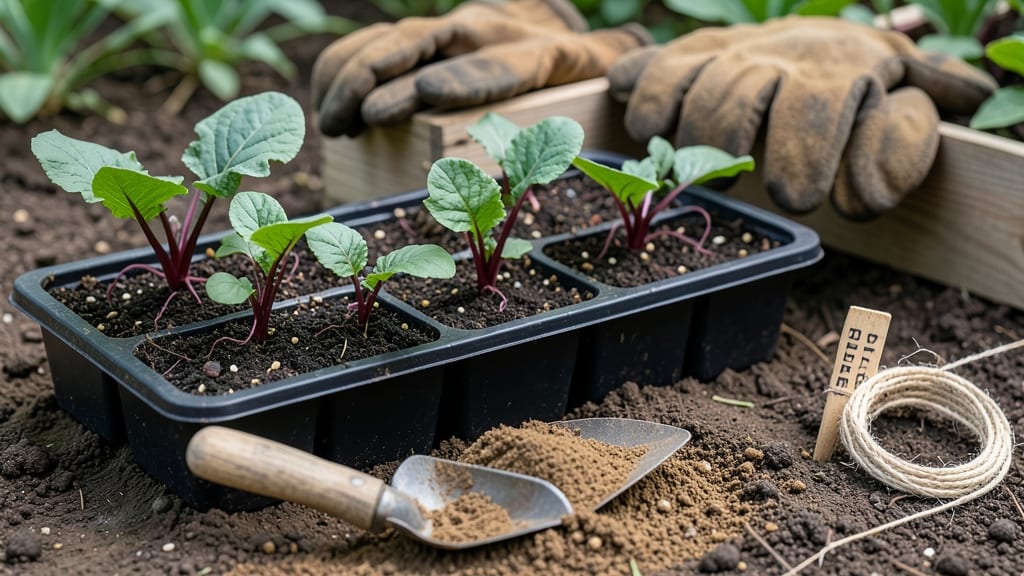
If you’ve ever planted 🍠 beets in Southern California only to watch them bolt into bitter, stringy stems before harvest, you’re not alone. The key to success here isn’t just when—it’s how you time it for your specific microclimate, whether you’re coastal, inland, or in the valleys.
Unlike northern gardens, Southern California’s 9b-11 zones offer year-round growing potential—but beets are finicky about heat. Plant them too early in spring, and they’ll bolt before summer’s scorching sun. Too late, and you’ll miss the sweet, tender roots you crave.
The ideal window? September–October for fall and February–March for spring, but with a twist: inland areas need earlier starts to avoid heat stress.
What I’m about to share isn’t just about months—it’s about reading your soil, adjusting for coastal breezes, and even choosing the right beet varieties to beat the heat. Skip the guesswork and let’s get your garden producing sweet, harvest-ready beets instead of bitter disappointment.
Ready to turn your SoCal garden into a beet-growing powerhouse? Let’s dive into the exact timing, tricks, and traps to avoid—so you can pull those perfect, earthy roots right when you need them.
Southern California’s best planting windows for beets (by microclimate zone)
Southern California’s diverse microclimates mean your beet planting schedule depends heavily on where you live. Coastal areas like San Diego and Santa Barbara have milder winters, while inland desert regions like Palm Springs and Riverside face intense summer heat.
Even Los Angeles neighborhoods can differ by 10°F between valley and coastal zones. Understanding these differences is key to avoiding bolting (when beets flower prematurely) or stunted growth.
Beets thrive in cool weather between 50°F and 75°F. In SoCal, this translates to two primary planting windows: fall (September-October) and spring (February-March). Fall-planted beets mature before winter chill sets in, while spring plantings avoid the peak summer heat that stresses young seedlings.
The challenge? SoCal’s unpredictable heat spikes can push temperatures into the 90s°F even in "cooler" months, so timing is everything.
Here’s how to align your planting with your local microclimate for zero bolt risk and maximum yield:
| Microclimate Zone | Ideal Planting Months | Temperature Thresholds | Heat Risk Level | Harvest Window |
|---|---|---|---|---|
| Coastal (San Diego, Santa Barbara) | September–October (fall) + February (spring) | 50°F–70°F (avoid >75°F) | Low (moderate summer fog) | December–January (fall) + May (spring) |
| Inland Valleys (LA, San Fernando Valley) | September (fall) + February–March (spring) | 50°F–68°F (avoid >80°F) | Medium (heat islands common) | November–December (fall) + April–May (spring) |
| Desert (Palm Springs, Riverside) | September–October (fall only) | 50°F–65°F (avoid >85°F) | High (summer >100°F) | November–December (fall only) |
| High Elevation (Big Bear, Mt. San Jacinto) | August–September (fall) + March (spring) | 45°F–68°F (frost risk in winter) | Low (cooler nights) | October–November (fall) + May (spring) |
*Harvest windows assume ideal conditions; adjust for local heat spikes.
For coastal gardeners, the September-October window is your best bet—soil stays warm enough for germination but cools as winter approaches. Plant Detroit Dark Red or Chioggia varieties for reliable results.
In inland valleys, aim for February-March to avoid the April-May heat surge, which can cause bolting within weeks. Desert regions are trickier: only fall planting works, and you’ll need shade cloth to protect seedlings from 100°F+ days.
Pro tip: Use a soil thermometer to confirm ground temps are below 75°F before planting. Beets won’t germinate well in hot soil, and seedlings will bolt if stressed by heat. If your local forecast shows three consecutive days above 80°F, delay planting by 2–4 weeks.
Soil preparation is just as critical as timing. Amend your beds with compost to improve drainage (beets hate soggy soil) and add a 1-inch layer of mulch to retain moisture.
In alkaline SoCal soils, a sprinkle of sulfur or peat moss can lower pH slightly, preventing nutrient deficiencies that weaken plants and make them susceptible to bolting.
If you’re in a transition zone (like the Inland Empire or Orange County), split your planting into two batches: one in late August for a fall harvest and another in early March for spring.
This succession planting strategy ensures a steady supply of beets without risking a total crop failure due to heat.
Remember: Beets are cool-season crops, but SoCal’s mild winters mean you can often squeeze in a second harvest in late winter if you plant in November.
Just monitor your plants closely—if they start flowering before roots mature, it’s time to pull and eat them young (they’re still edible, just less sweet).
🌱
Southern California’s best planting windows for beets (by microclimate zone)
Southern California’s 9b-11 zones may seem frost-free, but heat stress is the real enemy for beets. The key to success lies in planting during cooler months when soil temperatures stay below 75°F—any hotter, and your beets will bolt into bitter, inedible stems.
Your exact timing depends on whether you’re coastal, inland, or in the valleys, each with its own microclimate quirks.
For coastal areas (like San Diego or Santa Barbara), the ideal window is September through October for fall planting, followed by February–March for spring. The ocean breezes moderate temperatures, giving you a 6–8 week growing season before summer’s heat arrives.
Inland areas (e.g., Riverside or Lancaster) need to plant 4–6 weeks earlier—aim for August–September for fall and January–February for spring—to escape the desert’s intense sun.
Valley regions (like the San Fernando or San Gabriel Valleys) face hotter soil temperatures faster. Here, late summer planting (August) is risky—opt for early September instead. The goal?
Finish harvesting by late May before temperatures climb above 80°F consistently. Pro tip: Use a soil thermometer to confirm temperatures stay below 70°F at planting time.
| Microclimate Zone | Best Planting Months | Soil Temp Threshold | Harvest Window | Heat Risk |
|---|---|---|---|---|
| Coastal (e.g., San Diego) | Sep–Oct (fall), Feb–Mar (spring) | Below 75°F | Dec–Jan (fall), May–Jun (spring) | Low (ocean breezes) |
| Inland Desert (e.g., Palm Springs) | Aug–Sep (fall), Jan–Feb (spring) | Below 70°F | Nov–Dec (fall), Apr–May (spring) | High (intense sun) |
| Valleys (e.g., San Fernando) | Late Aug–Sep (fall), Jan (spring) | Below 72°F | Oct–Nov (fall), Apr (spring) | Moderate (heat builds fast) |
Don’t overlook succession planting—sow new seeds every 2–3 weeks within your ideal window to ensure a continuous harvest. For example, if you plant September 1st, follow up with September 15th and October 1st for staggered maturity.
This tactic works especially well in coastal areas where fall temperatures linger longer.
One critical mistake I see in SoCal gardens? Planting beets in late spring (April–May) and expecting success. By then, soil temperatures often exceed 80°F, triggering bolting within 3–4 weeks.
Instead, treat late spring as a test run for shade cloth experiments—more on that in the next section. The goal is to harvest before heat stress, not fight it.
Ready to put this timing to work? Grab your soil thermometer, mark your calendar for your zone’s ideal window, and prepare for sweet, tender beets—not bitter disappointment. Your taste buds (and your garden) will thank you.