Plants
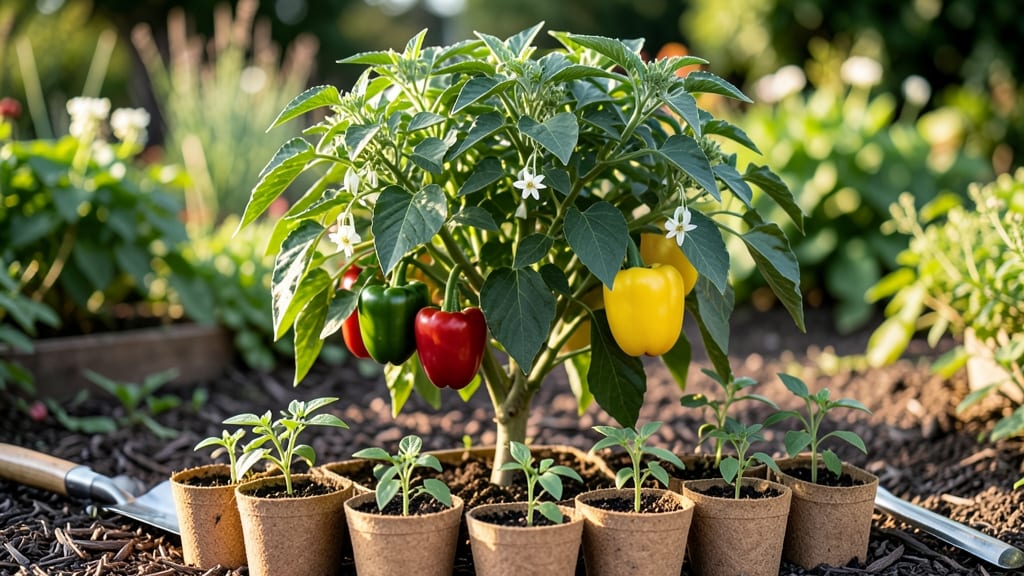
Planting bell peppers 🌶️ in Arizona isn’t just about picking a month—it’s about outsmarting the desert’s brutal heat before your plants bolt into oblivion. The wrong timing means wasted effort, while the right window guarantees sweet, plump peppers straight from your garden.
Most gardeners in USDA Zone 9b swear by two ideal windows: late winter (February–March) and early fall (August–September). These periods let your peppers mature before summer’s scorching temperatures trigger premature flowering. But here’s the catch: Arizona’s microclimates—like Phoenix’s low desert vs. Flagstaff’s high desert—demand different strategies.
In this guide, I’ll break down the exact planting schedule tailored to your location, plus pro tips to prep soil, avoid bolting, and choose heat-resistant varieties. No more guessing—just a foolproof plan for a bountiful harvest.
Ready to skip the summer stress and grow peppers that thrive? Let’s dive into the heat-proof schedule that works for Arizona’s unique growing conditions.
Best planting windows for bell peppers in Arizona’s climate zones
Arizona’s desert climate creates three distinct planting zones for bell peppers: Low Desert (Phoenix, Tucson), Transitional (Prescott, Sedona), and High Desert (Flagstaff, Payson). Each requires a different strategy to avoid heat stress or early frost damage.
The perfect soil temperature for planting is 60°F or warmer, which arrives at different times across the state.
In the Low Desert (USDA Zone 10a-11), where summers routinely hit 110°F+, bell peppers must be planted early spring (February-March) or late summer (August-September) to escape the worst heat. The Transitional Zone (USDA Zone 7b-9a) offers a 4-week window longer than the Low Desert, making January-April ideal.
Meanwhile, the High Desert (USDA Zone 6b-8a) has cooler nights, allowing March-April planting with minimal frost risk.
🌱
| Zone | USDA Zone | Best Planting Window | Soil Temp Threshold | Key Risk |
|---|---|---|---|---|
| Low Desert | 10a-11 | Feb 15 - Mar 15 Aug 15 - Sep 15 |
60°F+ | Summer bolting (>95°F) |
| Transitional | 7b-9a | Jan 15 - Apr 15 | 55°F+ | Late frost (Jan-Feb) |
| High Desert | 6b-8a | Mar 15 - Apr 30 | 50°F+ | Cold snaps (<32°F) |
For Low Desert gardeners, the August-September window is critical—it lets peppers mature before October’s 90°F+ temperatures trigger bolting. Use shade cloth (30-50%) if planting in July to buy time.
In the Transitional Zone, aim for March planting to harvest before May’s heat spikes, while High Desert growers can push to late April thanks to cooler nights.
Always check local frost dates—even the Low Desert sees rare December frosts. Use row covers or greenhouses to extend your season if needed. The last reliable frost in Phoenix is January 15, but Flagstaff’s first frost can arrive as early as October 15.
Pro tip: Test your soil temperature with a soil thermometer before planting. Bell peppers won’t germinate below 55°F, and root growth stalls under 60°F. In the Low Desert, soil can hit 100°F+ by May, so mulch heavily with straw or wood chips to keep roots cool.
🌡️
If you’re in Phoenix or Tucson, prioritize spring planting (February) for June harvests before summer’s worst heat. For Prescott or Sedona, March-April works best, while Flagstaff growers should plant late March to avoid April frosts.
Remember: Heat tolerance ≠ drought tolerance. Even heat-resistant varieties need consistent watering during Arizona’s dry spells.
For container gardening in urban areas, start seeds indoors 8-10 weeks before your zone’s last frost. Use fast-draining pots with 50% perlite to prevent root rot in the desert’s intense sun. Move containers to shaded areas during 100°F+ days to prevent wilting.
✂️
Best planting windows for bell peppers in Arizona’s climate zones
Arizona’s diverse climate zones—from the Low Desert (Phoenix, Tucson) to the High Desert (Flagstaff, Prescott)—create drastically different planting conditions for bell peppers. The Low Desert (Zones 9b–11) has 240+ frost-free days, while the High Desert (Zones 6b–8a) faces cooler nights and earlier frosts.
Timing your plantings to these zones avoids bolting and maximizes yields.
For Low Desert gardeners, the ideal window is February–March for spring planting, ensuring peppers mature before summer’s 100°F+ heat. In the High Desert, start 1–2 weeks earlier (late January–February) to account for cooler soil temperatures.
Fall planting (August–September) works in both zones, but High Desert peppers must be in the ground by mid-August to avoid frost.
Soil temperature is critical—bell peppers need 60°F+ soil to germinate. Use a soil thermometer to confirm before planting. In the Low Desert, soil hits this mark by mid-February, while the High Desert may wait until late March due to cooler nights.
Pro tip: Black plastic mulch warms soil faster in cooler zones.
| Zone | Spring Planting | Fall Planting | Soil Temp Threshold | Key Risk |
|---|---|---|---|---|
| Low Desert (9b–11) | Feb–Mar | Aug–Sep | 60°F+ | Summer bolting |
| High Desert (6b–8a) | Late Jan–Feb | Mid-Aug–Sep | 65°F+ | Early frost |
| Transitional (8b–9a) | Feb–Early Mar | Late Aug–Sep | 62°F+ | Heat stress |
🌡️ Pro Tip: Adjust for microclimates—e.g., Sedona (Zone 7b) plants 2 weeks later than Phoenix.
First-frost dates vary wildly: Low Desert rarely sees frost, while High Desert can hit 28°F by December. For fall plantings, aim to harvest before October 15 in the Low Desert and September 30 in the High Desert to avoid cold snaps. Use row covers if extending the season into November.
Transplanting seedlings is another critical step. In the Low Desert, harden off seedlings for 7–10 days before planting in late March to avoid heat shock.
In the High Desert, wait until mid-April when nighttime temps stay above 50°F. Always plant in morning hours to reduce stress from afternoon heat.
Bolting—when peppers flower prematurely—is the #1 enemy in Arizona. To prevent it, avoid planting during June–August when temps exceed 95°F. Instead, focus on spring and fall windows, and use shade cloth (30–50%) if summer planting is unavoidable.
With the right timing, you’ll dodge bolting and enjoy peppers from May–June and October–November.