Plants
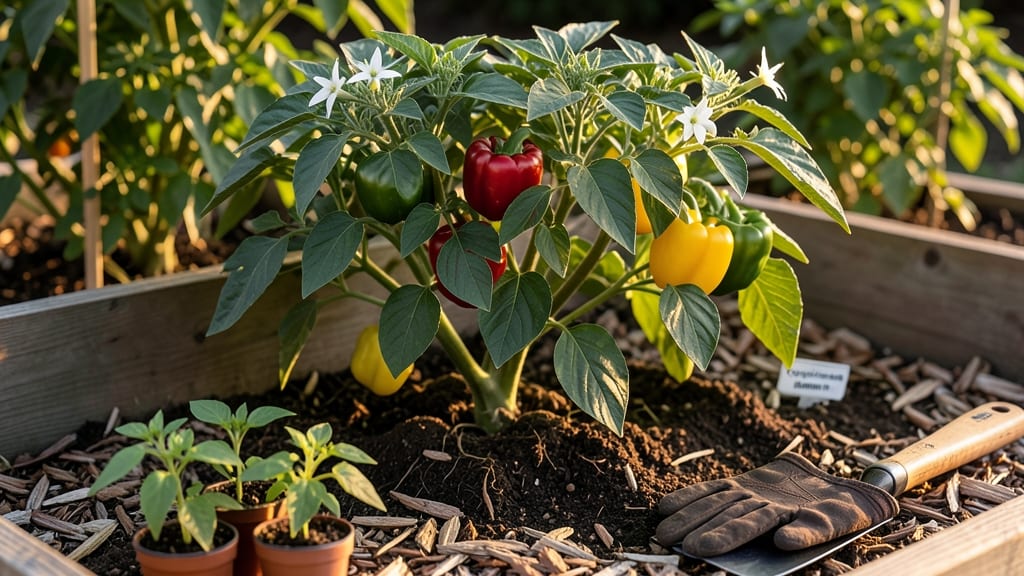
Timing your bell pepper 🌶️ planting in North Carolina can make or break your harvest—get it wrong, and you’ll either waste seeds on frost or scramble to save plants from heat stress. The key isn’t just waiting for spring; it’s matching your microclimate’s last frost date (which varies wildly from the coast to the mountains) with soil temperatures that actually support growth.
Most gardeners in NC’s 7a-8b zones swear by planting between April 15 and May 30 for spring harvests, but that window shifts dramatically if you’re in the Piedmont versus the Outer Banks.
Even more critical? Starting seeds indoors 8-10 weeks before your last frost ensures strong seedlings ready to hit the ground when conditions are perfect.
Here’s the game-changer: fall planting (July 1–August 15) can give you a second harvest before frost, but only if you pick fast-maturing varieties and protect young plants with row covers.
I’ll break down exactly how to adjust your schedule based on your county’s frost data—and why NC State Extension’s planting calendar is your secret weapon.
Skip the guesswork and learn the exact weeks to plant for zero frost risk, plus how to spot the 5 mistakes that kill more bell pepper gardens in NC than anything else. Your next harvest starts with the right timing.
NC microclimate planting Zones: exact weeks to avoid frost damage
North Carolina’s climate varies dramatically from the Coastal Plains to the Mountain Regions, making a one-size-fits-all planting date impossible. Bell peppers (Capsicum annuum) thrive when soil temperatures stay above 60°F and frost risk is zero.
Let’s break down the ideal planting windows for each NC zone to maximize your harvest.
For Coastal NC (USDA Zones 8a-8b), the last frost typically occurs around March 15, giving you a 12-week window to plant after frost. In contrast, the Mountains (Zones 6a-7a) often see frost until May 1, delaying planting until early June.
Piedmont regions (Zones 7a-7b) fall in between, with frost-free dates around April 15.
To pinpoint your exact planting date, check the NC State Extension’s frost maps and add 8-10 weeks for indoor starts or 2-3 weeks for direct sowing after soil warms.
For example, if your last frost is April 1, plant outdoors by April 22 or start seeds indoors by February 1.
| Zone | Last Frost Date | Plant Outdoors | Start Indoors | Soil Temp Threshold |
|---|---|---|---|---|
| Coastal Plains (8a-8b) | March 15 | April 15–May 1 | February 1–March 1 | 60°F+ |
| Piedmont (7a-7b) | April 15 | May 1–May 15 | March 1–March 15 | 60°F+ |
| Mountains (6a-7a) | May 1 | June 1–June 15 | April 1–April 15 | 65°F+ |
🌱 Pro Tip: Use a soil thermometer to confirm warmth before planting.
Soil temperature is more critical than air temperature for bell peppers. Cold soil (below 60°F) stunts root growth and delays fruiting. Test your soil with a thermometer—if it’s cooler than 60°F, wait another week or use black plastic mulch to warm it faster.
For fall harvests, aim to plant July 1–August 15 in Coastal NC or August 1–September 1 in the Mountains. This gives peppers 90–100 days to mature before the first frost. Use shorter-day varieties (like ‘Early Cal Wonder’) for faster results.
If you’re unsure about your zone, the NC State Extension’s Plant Tool (extensiongardener.ces.ncsu.edu) lets you input your ZIP code for hyper-local advice. This tool accounts for microclimates, like urban heat islands or windy ridges, that can shift frost dates by 1–2 weeks.
Remember: Heat units (growing degree days) matter more than calendar dates. Bell peppers need 1,200–1,500 heat units to mature. Coastal NC accumulates these faster than the Mountains, so adjust your planting window accordingly. For example, a 90-day variety planted in the Mountains on June 15 may not ripen before frost.
For container gardening, plant 2–3 weeks later than in-ground gardens because pots heat up slower. Use self-watering containers to maintain consistent moisture, which is critical for fruiting. In high-altitude areas (above 3,000 ft), consider row covers to extend the season by 2–3 weeks.
Finally, keep an eye on NC’s unpredictable spring weather. A late frost in April can wipe out seedlings overnight. Use frost cloth or plant near a south-facing wall to create a microclimate with 5–10°F warmer temperatures.
When in doubt, start seeds indoors—it’s the safest way to guarantee a harvest.
How to adjust planting dates for early vs late varieties
Choosing the right bell pepper variety and adjusting your planting schedule can extend your harvest by months.
Early-maturing varieties (60-day) like 'Early Cal Wonder' or 'Sweet Banana' are perfect for spring planting in NC’s cooler zones, while late varieties (90-day) like 'Carmen' or 'Jupiter' need the extra time to ripen before frost.
The key is aligning your variety’s maturity date with your microclimate’s frost-free window.
For spring planting, start seeds indoors 8-10 weeks before your last frost date (typically late March in the Piedmont, early April in the mountains). Transplant seedlings outdoors 2-3 weeks after your last frost when soil temps hit 60°F.
If you’re in Zone 7a (mountains), aim for April 15–May 1 to avoid late frosts that can kill young plants.
Here’s the secret weapon for fall harvests: succession planting. Sow a second batch of fast-maturing varieties (60–70 days) in July 1–August 15 for a late-season crop. Use row covers to protect seedlings from unexpected chilly snaps in September.
In Zone 8a (coastal areas), you might even squeeze in a third planting by mid-August for peppers ready by October.
Row covers aren’t just for seedlings—they can extend your growing season by 2–3 weeks in both spring and fall. For example, in Raleigh (Zone 7b), covering transplants until May 15 instead of waiting for May 30 gives your peppers a head start.
In the mountains (Zone 7a), covers in September can push your harvest into early November when temperatures drop.
Pro tip: Heat-tolerant varieties like 'NuMex Sandia' or 'Aristotle' thrive in NC’s summer heat and are ideal for late-July plantings. These can handle the 90°F+ temps common in the Piedmont while still maturing before frost. Pair them with drip irrigation to keep roots cool and prevent blossom-end rot.
Don’t overlook succession planting intervals. For continuous harvests, sow new seeds every 2–3 weeks after your initial planting. In Zone 8b (coastal NC), this means staggered plantings from April 15 to June 1 for a steady supply of peppers through October.
Use a planting calendar to track maturity dates and avoid overlapping harvests.
When in doubt, check NC State Extension’s planting guides for your county’s specific frost dates and heat-unit calculations. Their data is updated annually and accounts for microclimate variations like elevation or proximity to water bodies.
For example, Asheville’s last frost is often 2 weeks later than Raleigh’s—so adjust your schedule accordingly.
📌 Key Planting Adjustments for NC Bell Peppers
- Spring Planting: Start seeds indoors 8–10 weeks before last frost (March–April). Transplant after soil hits 60°F (April 15–May 30).
- Fall Planting: Sow fast varieties July 1–August 15 for September–November harvests. Use row covers for protection.
- Succession Planting: Sow every 2–3 weeks for continuous harvests. Stagger intervals based on variety maturity (60–90 days).
- Row Covers: Extend season by 2–3 weeks in spring/fall. Remove when peppers flower to prevent heat stress.
- Variety Selection: Early (60 days) for spring, late (90 days) for fall. Heat-tolerant types for summer plantings.
Remember, soil temperature matters more than air temperature. Use a soil thermometer to confirm 60°F+ before planting—cold soil delays germination and stunts growth. In Zone 7a, this might mean waiting until May 15 even if frost risk is low.
Patience here pays off with stronger, healthier plants ready to produce high-yielding peppers all season.