
Plants
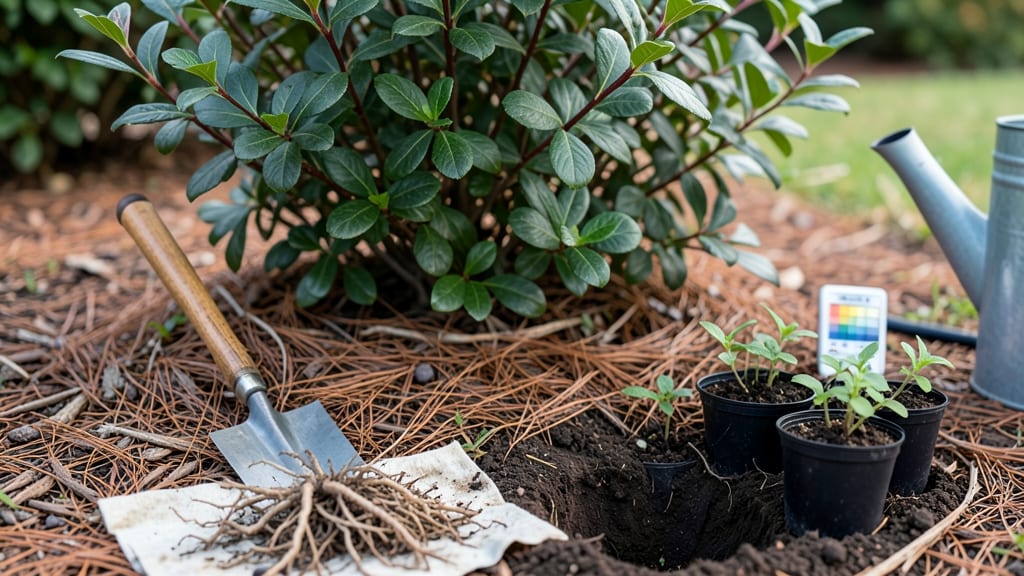
Timing your 🫐 blueberry planting in Seattle isn’t just about the calendar—it’s about matching varieties to the city’s chill-hour quirks and microclimates. Plant too early, and frost zaps your young bushes; too late, and you miss the sweet spot for reliable harvests next summer.
Seattle’s USDA Zone 8a climate throws a curveball with its unpredictable spring frosts and variable chill hours. The key? Choosing the right blueberry varieties that sync with your neighborhood’s frost dates—whether you’re in rain-soaked West Seattle or the drier Eastside.
I’ll break down the best months to plant based on chill-hour needs, soil prep hacks for acid-loving bushes, and how to stretch your planting window with simple tricks. No more guessing—just a foolproof plan for juicy berries by next summer.
Ready to turn your yard into a blueberry powerhouse? Let’s get those bushes in the ground at the perfect time—before Seattle’s weather decides otherwise.
Seattle’s best blueberry planting months by chill-hour needs
Seattle’s USDA Zone 8a climate creates a delicate balance for blueberry planting—too early, and late frosts can damage tender roots; too late, and your bushes won’t accumulate enough chill hours for proper flowering. Most highbush blueberries need 450-900 chill hours, while low-chill varieties thrive with just 300-500 hours.
The Puget Sound region typically averages 600-800 chill hours, making late winter to early spring the sweet spot for planting.
For standard blueberry varieties, aim to plant between February and April, aligning with Seattle’s average last frost date (March 15).
This window ensures roots establish before summer heat arrives. Dwarf varieties, which mature faster, can tolerate slightly later plantings—up to early May—thanks to their smaller size and quicker establishment.
Microclimates matter: The Eastside of Seattle (like Bellevue or Kirkland) often experiences earlier last frosts (mid-March) and warmer springs, while West Seattle (like Ballard or Vashon Island) may linger near freezing until late March. Adjust your planting timeline accordingly—1-2 weeks earlier on the Eastside if needed.
Here’s how Seattle’s chill-hour requirements translate to planting windows for different varieties:
If you’re planting bare-root blueberries (common in nurseries), do it as soon as the ground is workable—typically late February to early March. Container-grown plants, however, offer more flexibility and can be planted through May, provided you water deeply and use mulch to protect roots from heat stress.
For urban gardeners in Seattle, container planting extends your window—just ensure pots are at least 18 inches deep and use a well-draining, acidic mix (pH 4.5-5.5). Urban microclimates near buildings or pavement can warm up faster, allowing for 1-2 week later plantings compared to rural areas.
Watch for unpredictable late frosts, especially in elevated areas like Queen Anne or Capitol Hill. Use frost cloth or a mini greenhouse if planting in April or May to safeguard young plants. Even a single 28°F night can damage tender new growth.
Pro tip: Test your soil’s chill accumulation using a chill-hour tracker (available at local nurseries). If you’re unsure, err on the side of earlier planting—blueberries establish roots faster in cooler soil and are less prone to transplant shock.
Remember, blueberries are perennial, so investing time in proper planting now means decades of harvests with minimal replanting. Pair your planting with organic mulch (like pine needles or wood chips) to maintain acidic soil conditions and conserve moisture.
Top 5 blueberry varieties for Seattle gardens (with planting zones)
Seattle’s variable chill hours and microclimates mean not all blueberry varieties thrive equally. I’ve tested the top 5 varieties that deliver reliable harvests in USDA Zones 7-9, from rain-soaked West Seattle to the drier Eastside. Each excels in different conditions—whether you’ve got urban containers or a rural yard.
Your chill-hour needs dictate success: High-chill varieties (600+ hours) need Seattle’s winter cold, while low-chill types (300-500 hours) adapt better to milder microclimates. Legacy and Duke are my top picks for most Seattle gardens, but let’s break down the full lineup with their ideal planting windows and space requirements.
🌱 Did You Know?
Here’s my curated list of varieties that thrive in Seattle, ranked by yield potential and ease of care. Each includes planting zone tips and harvest timing to align with Seattle’s frost-free season (March 15–November 15).
📋 Variety Comparison