
Plants
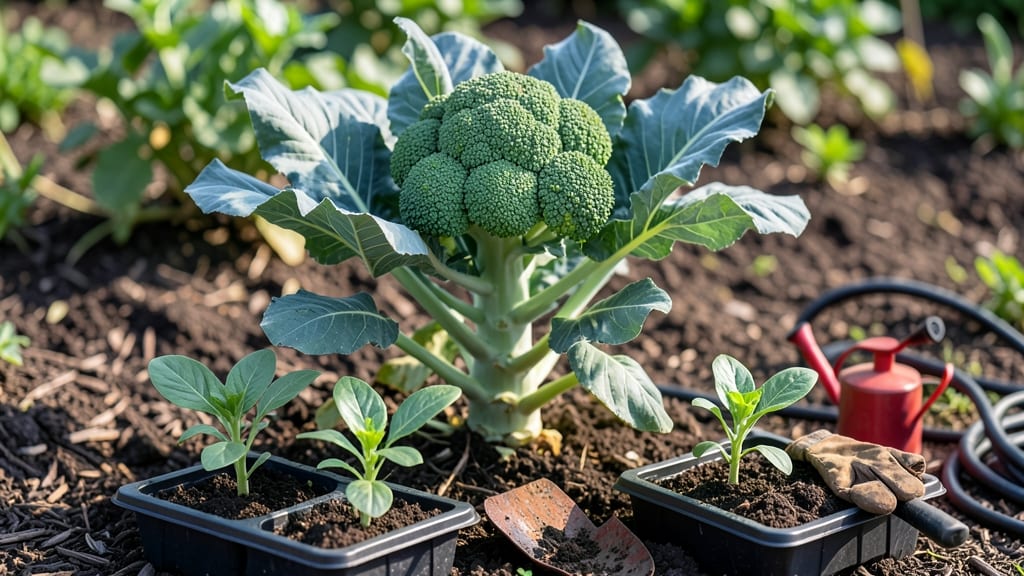
If you're growing 🥦 broccoli in Zone 9b, timing is everything—plant too early, and you'll battle summer heat; too late, and you might miss the best harvest window. The key is understanding exactly when to sow seeds or transplant seedlings to avoid stressing your plants.
In Zone 9b (think Phoenix or the Southern California desert), broccoli thrives in cooler months, but the ideal planting window is fall (October-November) and winter (January-February). This schedule lets you harvest before the heat peaks, ensuring those tight, flavorful heads you crave.
What you'll discover here is a month-by-month breakdown of when to plant, how to prepare your soil, and which heat-resistant varieties perform best in your climate. No more guessing—just proven strategies to maximize your yield.
Plus, I’ll share pro tips to extend your growing season, like using shade cloth and smart watering, so you can avoid common pitfalls like bolting or stunted growth. Ready to turn your garden into a broccoli powerhouse?
Best planting schedule for broccoli in Zone 9b: month-by-month guide
Zone 9b’s warm winters and hot summers make broccoli planting timing critical for success. Unlike cooler climates, you’ll skip spring plantings entirely and focus on fall and winter windows to avoid summer’s heat stress. The goal? Finish harvesting before temperatures consistently exceed 85°F (29°C), which triggers bolting.
Broccoli thrives in cool-season temperatures (50-70°F / 10-21°C). In Zone 9b, this means starting seeds or transplants when daytime highs drop below 75°F (24°C)—typically in late September through November for fall crops, and again in January-February for winter harvests.
Here’s your month-by-month breakdown for direct sowing and transplanting, including ideal soil temps and harvest windows:
| Stage | Action | Months | Soil Temp (°F) | Days to Harvest |
|---|---|---|---|---|
| Direct Sowing | Start seeds indoors or in garden | September-October | 60-75°F | 60-90 days |
| Transplanting | Move seedlings to garden | October-November | 55-65°F | 50-70 days |
| Winter Planting | Direct sow or transplant | January-February | 50-60°F | 55-65 days |
| Harvest Window | Pick mature heads | February-April | N/A | Ongoing |
| Succession Planting | Sow every 2-3 weeks | October-January | 55-70°F | Staggered |
For fall plantings, aim to have broccoli mature by late March—after that, the risk of heat stress skyrockets. If you’re in coastal Zone 9b (like San Diego), you might squeeze in a late-winter crop (February-March) with shade cloth, but inland areas (like Phoenix) should avoid this risk entirely.
Pro tip: Use shade cloth (30-50%) if transplanting in late winter when temps hover around 70°F (21°C) during the day. This buys you 2-3 extra weeks of growth before summer heat arrives. Just remove the cloth by April to prevent leggy growth.
Succession planting works in Zone 9b, but with limits. Sow every 2-3 weeks from October through January to stretch your harvest. However, avoid starting seeds after mid-January—they’ll bolt before forming heads. Instead, focus on transplanting young starts in February
Best planting schedule for broccoli in Zone 9b: month-by-month guide
Zone 9b’s mild winters and hot summers demand precise timing for broccoli success. The key is planting when temperatures stay below 75°F—your window is late fall through early spring. Miss this, and your plants will bolt (flower prematurely) or wilt under summer heat.
Broccoli thrives in cool-season conditions, making October-November and January-February your prime months. Even in Zone 9b, avoid planting after March—the heat will stress seedlings before they mature. Let’s break down the exact schedule to maximize your harvest.
| Stage | Action | Months | Temperature Range |
|---|---|---|---|
| Direct Sowing | Plant seeds ¼" deep, 18" apart | September–October | 60–75°F |
| Transplant Seedlings | Move 4–6 week old starts, 24" apart | October–November | 55–70°F |
| Second Planting | Sow for late-winter harvest | January–February | 50–65°F |
| Harvest | Cut heads when firm, 60–90 days after planting | February–April | 55–75°F |
For successive harvests, stagger plantings every 3–4 weeks from October through February. This ensures a continuous supply without overwhelming your garden. For example, plant one batch in early October, another in mid-November, and a final batch in January.
Zone 9b’s spring heat (March–May) is broccoli’s enemy. If you plant too late, your seedlings will struggle to establish before temperatures rise. Watch for daytime highs above 80°F—this is your warning to stop planting. Use shade cloth (30–50%) if extending into late winter.
Pro tip: Test soil temps before planting. Ideal germination occurs at 45–85°F. If your soil is warmer than 85°F, wait or use shade. In Southern California deserts, morning temps can spike quickly—plant in shaded beds or under drip irrigation to keep roots cool.
Harvest timing matters too. Broccoli heads should be tight and dark green, typically 60–90 days after transplanting. In Zone 9b, this usually falls in February–April. Cut heads with 2–3 inches of stem to encourage side shoots, extending your harvest by 2–3 weeks.