
Plants
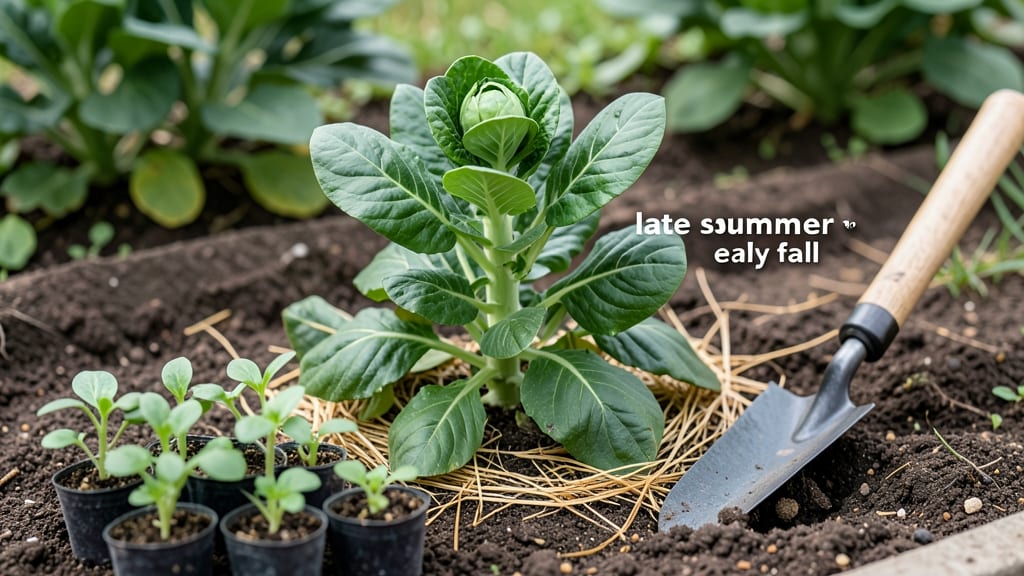
Knowing when to plant brussel sprouts in Virginia can mean the difference between a bountiful harvest and a wasted effort.
These cold-hardy 🥦 thrive in Virginia’s 7a zone, but timing is everything—plant too early, and frost will nip your seedlings; too late, and your crop won’t mature before winter sets in.
Virginia’s climate offers two prime windows: spring (March 15–April 15) and fall (August 1–September 1). Each season brings unique challenges, from soil temperatures to frost risks, but getting it right ensures sweet, flavorful sprouts from October through December.
Whether you’re starting from seedlings or seeds, understanding your local frost dates and soil conditions is key. I’ll break down the best strategies for Virginia gardeners—plus tips on companion planting and protecting your crop from late-summer heatwaves.
Let’s dive into the exact steps to maximize your brussel sprout harvest, no matter where you garden in the state.
Virginia’s last frost dates & ideal planting windows for brussel sprouts
Brussel sprouts thrive in Virginia’s cool-season climate, but timing is critical. The last average frost date across most of Virginia falls between April 15 (mountains) and May 1 (coastal areas).
For a successful harvest, plant your brussel sprouts 8-10 weeks before the first frost—typically by mid-August for fall crops or mid-March to mid-April for spring.
Virginia spans USDA Zones 6b to 8a, with Zone 7a being the most common. This means gardeners in northern Virginia (e.g., Shenandoah Valley) have a shorter growing season than those in southern Virginia (e.g., Hampton Roads).
Adjust your planting window accordingly—coastal areas can plant slightly later due to milder winters.
🌱 Virginia’s Brussel Sprout Planting Windows
| Region | USDA Zone | Spring Planting | Fall Planting | Last Frost |
|---|---|---|---|---|
| Northern VA (e.g., Roanoke) | 6b-7a | March 15–April 1 | July 31–August 15 | April 15–May 1 |
| Central VA (e.g., Richmond) | 7a-7b | March 20–April 15 | August 1–August 31 | April 1–April 15 |
| Southern VA (e.g., Norfolk) | 7b-8a | March 25–April 30 | August 15–September 15 | April 15–May 10 |
For fall harvests, aim to plant 80–90 days before the first frost. In Virginia, this typically means late July to mid-September. Spring plantings should occur 4–6 weeks before the last frost to ensure seedlings establish before summer heat sets in.
Use row covers or cold frames to extend the season if needed.
Check your local Virginia Cooperative Extension office for hyper-local frost data—some years can vary by 1–2 weeks. For example, Blacksburg (Zone 7a) might see frost as early as October 15, while Virginia Beach (Zone 8a) could delay until November 15.
Plan accordingly to avoid bolt risk from heat stress.
If you’re unsure about your exact last frost date, use the 50°F soil temperature rule as a guide. Brussel sprouts germinate best in 50–70°F soil, so wait until mid-March for spring plantings or early August for fall. A soil thermometer (available for ~$15) is a game-changer for accuracy.
Pro tip: Start seedlings indoors 4–6 weeks before your target outdoor planting date. This gives you a head start and helps you beat Virginia’s unpredictable spring weather. Use biodegradable pots to avoid transplant shock when moving to the garden.
For coastal gardeners, take advantage of milder winters by planting late summer crops (August–September) for a winter harvest. Inland areas should prioritize fall plantings in July–August to avoid late-summer heatwaves that can stress seedlings.
Remember: Brussel sprouts need 90–120 days to mature. If you plant too late in spring, your crop may bolt before harvest. Conversely, fall plantings after September 15 risk immature sprouts before winter frost. Balance is key!
🌱 For extra protection, try black plastic mulch in early spring to warm the soil faster. This can shave 1–2 weeks off your planting timeline in cooler regions like the Shenandoah Valley.
Soil temperature & seedling success: what Virginia gardeners must know
Brussel sprouts thrive when planted in warm soil, but Virginia’s unpredictable spring weather can delay germination. Aim for soil temperatures between 50–70°F—any colder, and seeds may rot or fail to sprout.
Use a soil thermometer to check warmth before planting, especially in cooler regions like the Blue Ridge Mountains.
If your soil is too cold, try black plastic mulch or a mini greenhouse to warm it up. These methods raise soil temps by 5–10°F, creating ideal conditions for seedlings. In my garden, I’ve seen sprouts emerge 3x faster with this trick during chilly Virginia springs.
For transplants, wait until nighttime temps stay above 45°F to avoid shock. Hardy varieties like ‘Long Island Improved’ tolerate cooler temps better than others, making them a great choice for Virginia’s USDA Zone 7a.
Companion plants like bush beans or lettuce can help extend your growing season. They shade the soil, keeping it warmer longer and reducing the risk of frost damage to young sprouts. I’ve had success planting brussel sprouts alongside radishes, which mature quickly and mark the spot for later planting.
If you’re starting seeds indoors, keep them in a warm spot (around 65°F) until they’re ready to transplant. Harden them off gradually by exposing them to outdoor temps for a few hours daily before the final move to the garden.
Mulch heavily after planting to retain soil warmth and moisture. Straw or shredded leaves work well, but avoid thick layers that can smother seedlings. In my experience, mulching also reduces weeds and keeps the soil consistently moist—critical for brussel sprouts’ success.