
Plants
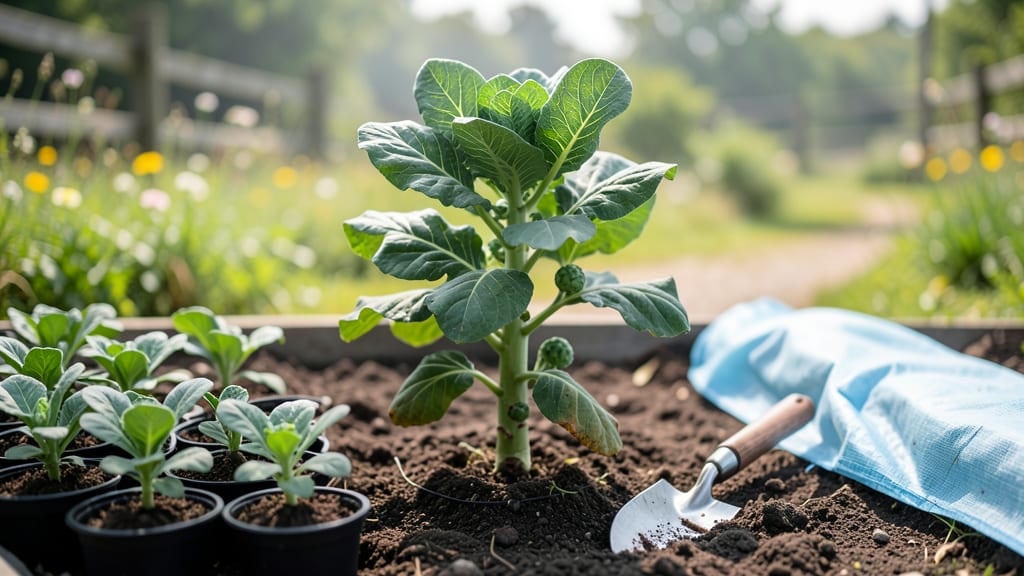
Timing your brussel sprout planting in Wisconsin isn’t just about the calendar—it’s about outsmarting the state’s fickle frosts to grow sweeter, hardier crops. With Wisconsin’s 5a-6b zones, you’ve got a narrow window to plant 🥦 for fall harvests before October’s first frost sneaks in.
Most gardeners swear by mid-April to late June for spring planting, but here’s the secret: late July to early August gives you a second chance for winter harvests. The key is starting seeds indoors 4-6 weeks before transplanting, so they’re ready when soil temps hit 45°F.
Why does this matter? Because brussel sprouts thrive in cool weather—they actually get sweeter after frost! We’ll show you how to stretch your growing season with row covers and mulch, so you can enjoy homegrown 🥦 from October through January.
Skip the guesswork and master Wisconsin’s planting schedule—because in this climate, timing isn’t just important, it’s everything. Let’s break down the exact steps to avoid frost loss and maximize your harvest.
Wisconsin’s ideal planting windows for brussel sprouts (with frost-proofing tips)
Brussel sprouts thrive in Wisconsin’s cool climate, but timing is everything to avoid frost damage. The key planting windows are mid-April to late June for spring crops and late July to early August for fall harvests.
These schedules align with Wisconsin’s USDA Zones 5a-6b, where last frosts hit mid-May and first frosts arrive by mid-October.
For a fall harvest, plant 4-6 weeks before your average first frost (typically late July to early August). This gives sprouts 90-120 days to mature before winter. Spring plantings (mid-April to late June) yield summer-to-fall harvests, but require extra frost protection in early spring.
Wisconsin’s microclimates add complexity—southern regions (like Milwaukee) can plant 2 weeks earlier than northern areas (like Duluth). Always check your local frost dates using the Midwest Regional Climate Center for precision.
Here’s how to protect seedlings from Wisconsin’s late spring frosts (common until May 15 in many areas): use row covers, mulch heavily, or plant near south-facing walls to trap heat. These tricks extend your growing season by 2-3 weeks.
⚠️ CRITICAL: Never plant after August 10 in most of Wisconsin—sprouts need 90 days to mature, and late plantings won’t reach harvest before hard frosts. Use cold-hardy varieties like ‘Long Island Improved’ or ‘Ruby Ball’ for best results.
| Planting Window | Best For | Frost Protection Needed | Harvest Time |
|---|---|---|---|
| Mid-April to late June | Spring transplants | Row covers until May 15 | October–November |
| Late July to early August | Fall harvest | Mulch heavily | January–February (if protected) |
| Early March (indoors) | Transplant seedlings | Grow lights until April | September–October |
If you’re direct-sowing seeds (not transplanting), start 4-6 weeks before your last frost (typically March 15–April 15). Seedlings take 6-8 weeks to grow strong enough for transplanting. For container growing, use 5-gallon pots and plant 2 weeks later than in-ground to avoid heat stress.
Wisconsin’s soil temperatures must reach 40°F for seeds to germinate. Test your soil with a thermometer—if it’s colder, wait or use black plastic mulch to warm it faster. Well-draining soil with pH 6.0–7.0 is non-negotiable for sweet, crisp sprouts.
Pro tip: Succession plant every 2 weeks from July to August for a continuous harvest. Space plants 18–24 inches apart in rows 30 inches apart to allow airflow and prevent disease. Thin seedlings to the strongest 2 per hill when they’re 4 inches tall.
For urban gardeners, choose dwarf varieties like ‘Catbird’ (only 18 inches tall) and grow in raised beds or large containers. These adapt better to limited space and still produce high yields with proper care.
Remember: Frost-sweetened sprouts are the tastiest! Plant 2 weeks before your first expected frost for a winter harvest, then protect with straw mulch (12+ inches deep) and row covers. With these tips, you’ll enjoy homegrown brussel sprouts from October through January—even in Wisconsin’s coldest months. 🥦
How to extend the growing season for zero frost loss in Wisconsin gardens
Wisconsin’s short growing season means brussel sprouts need extra care to thrive—especially when late frosts threaten tender seedlings. The key is succession planting and cold-hardy varieties like ‘Long Island Improved’, which handle Wisconsin’s Zone 5a-6b winters like a champ.
I’ve grown these tough sprouts for years, and here’s how I beat frost without losing my harvest.
Start by planting two batches: one in late July (for fall harvest) and another in early August (for winter harvest). This staggered approach ensures you’ll always have fresh sprouts, even when temps dip below freezing.
For extra protection, use row covers or straw mulch—both work wonders in my garden to shield plants from sudden cold snaps.
Another trick? Microclimates matter. South-facing slopes or raised beds warm up faster and delay frost damage. In my backyard, the raised bed near the fence stays 5°F warmer than the open ground—perfect for extending the season.
If you don’t have a sunny slope, try black plastic mulch to absorb heat and keep roots cozy.
🌱 3 Proven Ways to Extend Your Harvest
- Succession Plant: Sow every 2 weeks from July to August for continuous harvests.
- Cold-Hardy Varieties: Choose ‘Long Island Improved’ or ‘Ruby’—they tolerate light frosts.
- Row Covers: Use frost blankets until sprouts reach 6 inches tall.
💡 Pro Tip: Harvest sprouts before hard frosts (below 20°F) to avoid damage.
Don’t forget to harvest strategically. Brussels sprouts taste sweeter after a light frost, but you’ll want to pick them before hard freezes (below 20°F). In my garden, I start harvesting in late October and keep going until December if temps stay mild.
Always cut from the bottom up—this encourages more sprouts to form higher on the stalk.
For soil prep, add compost in early spring to improve drainage—brussel sprouts hate soggy roots. I mix in aged manure and sand if my clay soil gets too dense.
Well-drained soil is non-negotiable, especially in Wisconsin’s wet springs. A pH of 6.0-7.0 is ideal, so test your soil before planting.
Finally, fertilize smartly. Skip heavy feeding in summer (it encourages bolting), but give plants a balanced 10-10-10 fertilizer in early fall to boost growth before frost. I’ve found that evening applications reduce leaf burn, and my plants reward me with bigger, sweeter sprouts by harvest time.