
Plants
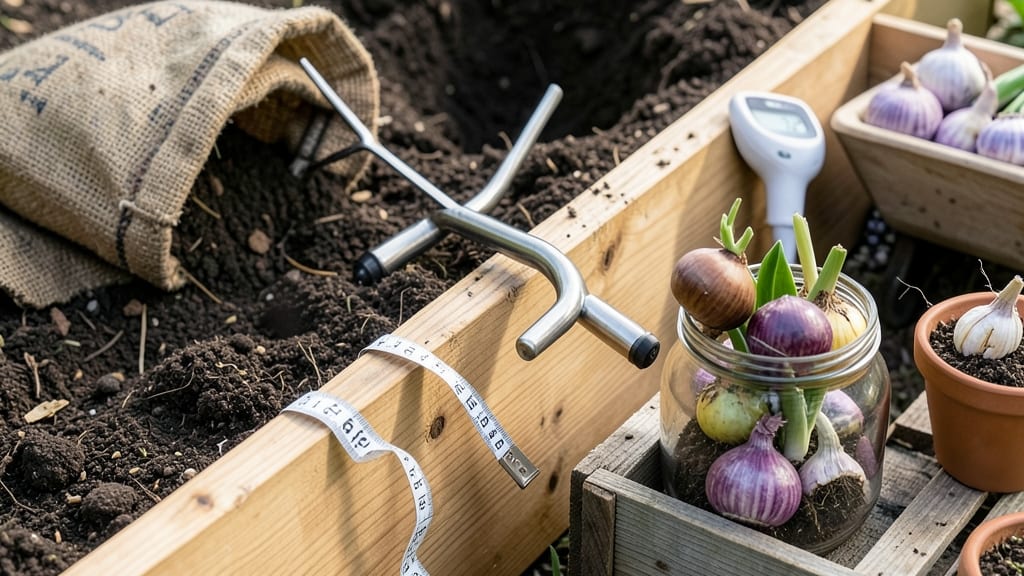
Timing your bulbs (general) 🌱 planting in Central Texas isn’t just about following a calendar—it’s about outsmarting the region’s brutal summers and unpredictable winters.
Plant too early, and your bulbs might rot before they even sprout; too late, and you’ll miss the narrow window for strong root growth before the heat kicks in.
Most gardeners in USDA Zone 8a assume fall is the only option, but the truth is more nuanced. The exact months that work depend on whether you’re planting spring-blooming varieties (like tulips) or summer favorites (like dahlias).
I’ll show you how to read your soil’s temperature and adjust your schedule for zero-frost success, even when your neighbors are still debating whether to plant in November or February.
What you’ll discover isn’t just when to plant—it’s how to prepare your soil, choose the right bulbs for Texas’ climate, and protect your investment from the 100°F summers that follow.
Skip these steps, and you’ll end up with half-hearted blooms (or worse, no blooms at all). Let’s get those bulbs in the ground the right way.
Ready to transform your Central Texas garden into a spring (or summer) showstopper? The key isn’t luck—it’s knowing the precise window for planting, and I’ve got the exact timeline you need to make it happen without the guesswork.
Best months to plant spring-flowering bulbs in Central Texas (with frost zones 8a-8b)
Central Texas’ USDA Zones 8a-8b bring mild winters and scorching summers, making bulb planting a delicate balance. Unlike cooler climates, late frosts can linger until mid-January, while summer heat arrives early.
Planting too late in fall risks bulbs sprouting before winter sets in, and spring planting can lead to weak blooms or no flowers at all.
For spring-flowering bulbs like tulips, daffodils, and hyacinths, the ideal window is October through November, with a backup window in February for early blooms. This timing ensures bulbs establish roots before winter dormancy and avoids the 100°F+ summers that can bake them to death.
Regional microclimates matter: Austin’s cooler hills may handle late November planting, while San Antonio’s heat islands demand earlier October starts. Always check your last frost date (typically January 15) and adjust accordingly.
🌱
| Bulb Type | Best Planting Month | Soil Temp | Depth | Notes |
|---|---|---|---|---|
| Tulips | October - November | 50-60°F | 6-8 inches | Plant early to avoid squirrel theft! |
| Daffodils | October - December | 45-55°F | 6-8 inches | Deer-resistant; great for borders |
| Hyacinths | October - November | 50-60°F | 6 inches | Fragrant; plant in clusters |
| Crocuses | September - October | 40-50°F | 3-4 inches | Early bloomers; naturalize easily |
| Alliums | October - November | 50-60°F | 6-8 inches | Drought-tolerant; long stems |
If you miss the fall window, February planting is your next best bet for spring blooms. However, bulbs planted in spring may bloom weaker or produce fewer flowers because they lack the root establishment time of fall-planted bulbs. For maximum impact, stick to fall planting whenever possible.
Central Texas’ unpredictable weather means soil temperature is your best guide. Use a soil thermometer to confirm temps are below 60°F before planting. If temps stay warm, bulbs may sprout prematurely and get fried by winter freezes or summer heat.
For container gardening, plant bulbs in well-draining pots with sand or perlite mixed into the soil. Containers warm up faster, so plant 2-3 weeks earlier than in-ground bulbs to compensate. Move pots to a shady spot during summer heat to prevent wilting.
Pro tip: Layer bulbs in containers for season-long color. Start with crocuses (September), add tulips (October), and top with alliums (November). This creates a stunning vertical display from early spring to summer.
🌷
After planting, mulch heavily with 2-3 inches of straw or pine needles to insulate bulbs during winter freezes and summer heat. Remove mulch in early spring once
How to outsmart Central Texas heat: fall planting hacks for bulb success
Central Texas summers aren’t just hot—they’re relentless, and bulbs planted at the wrong time will bake in the ground before they even sprout. The secret to success? Fall planting with these heat-beating strategies.
I’ve tested these tactics in my own garden, and they’ve turned my sketchy spring blooms into showstopping displays year after year.
Most gardeners focus only on planting dates, but the real magic happens in the soil prep and protection layer you add before the first frost. Without these steps, your bulbs will struggle to establish roots before the heat returns.
Let’s break down the exact hacks I use to keep my bulbs thriving despite Texas’ extremes.
🌱 Key Takeaway: Your bulbs need 6-8 weeks of cool soil before the ground heats up again. Here’s how to give them that head start: