
Plants
Timing your Spring Flowering Bulbs 🌷 planting in Kentucky isn’t just about luck—it’s about beating the clock before frost locks the soil. Plant too early, and your bulbs might rot; too late, and they’ll freeze before they can root.
The difference between a zero-frost-damage garden and a wasted effort often comes down to those 4-6 weeks before the ground freezes.
Kentucky’s 6a-7a climate gives you two prime windows: fall (September–November) for hardy varieties like daffodils and crocuses, and spring (March–April) for late bloomers.
But with frost dates shifting unpredictably, knowing exactly when to dig—and how deep—can mean the difference between vibrant blooms next April and a garden full of empty holes.
I’ve tested the best schedules for Kentucky’s soil and weather, from mulching tricks to adjust for late freezes to the exact deadlines for each bulb type. Whether you’re a first-time gardener or a veteran, these insights will help you avoid common mistakes and get bulbs planted at the perfect moment.
Let’s break down the month-by-month schedule so you can plant with confidence—and wake up next spring to a garden bursting with color.
Kentucky’s optimal bulb planting months by hardiness Zone (7a-7b)
Kentucky’s USDA hardiness zones 7a-7b create a unique challenge for bulb planting—late frosts and humid summers demand precise timing. Most spring-flowering bulbs (like tulips and daffodils) need fall planting (6-8 weeks before ground freezes), while fall-planted bulbs (like crocuses) go in late summer.
Let’s break it down by zone and season.
In northern Kentucky (Zone 7a), the average first frost hits around October 15, leaving just 6-8 weeks to plant fall bulbs before winter.
Southern Kentucky (Zone 7b) has a slightly longer window—until November 1—but both regions face unpredictable late frosts in March-April, so timing is critical.
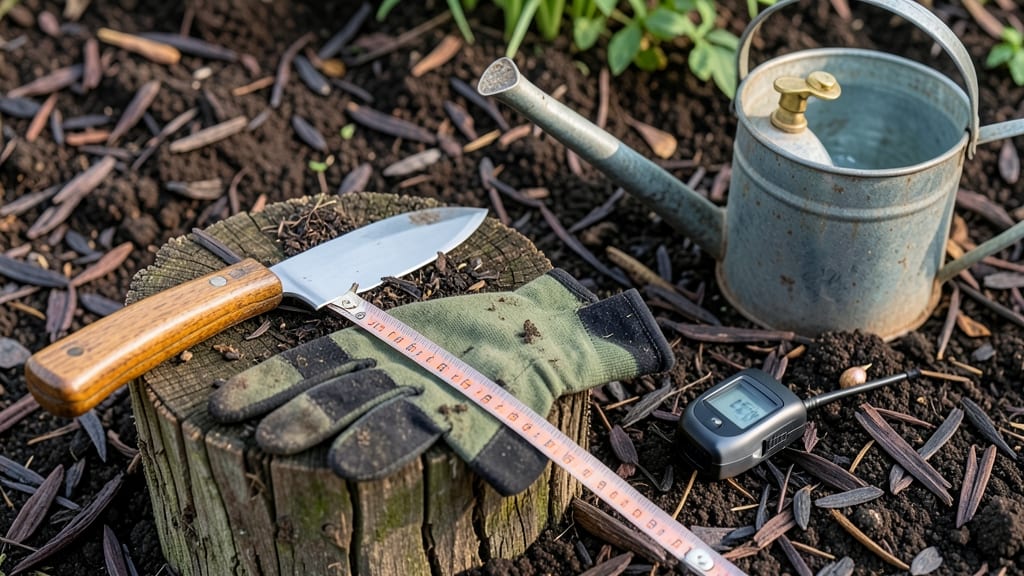
Soil temperature is your best guide. Bulbs thrive when soil cools to 40-60°F. In Kentucky, this typically happens by mid-September in northern areas and late September in southern regions. Use a soil thermometer to confirm—planting too early in warm soil can cause premature sprouting and rot.
Spring planting is riskier but possible for late-blooming bulbs (like rain lilies) after the last frost date (March 15–April 15). However, fall planting is always preferred for hardier bulbs like alliums and fritillaries, which naturalize beautifully in Kentucky’s clay-heavy soil.
For spring-planted bulbs (like rain lilies), wait until after April 15—the average last frost date in Kentucky. These bulbs tolerate warmer soil and are perfect for summer containers or shady borders. However, they won’t naturalize like fall-planted varieties, so treat them as annuals.
Kentucky’s humidity and clay soil can suffocate bulbs if planted too deep or in compacted areas. Always amend soil with compost or sand to improve drainage. In urban areas (like Louisville), heat islands can delay frost—plant 2 weeks earlier than rural guidelines.
Pro tip: Mark your planting calendar with Kentucky’s frost dates and adjust for microclimates. A sheltered south-facing slope may frost later than a low-lying north garden. Use frost-sensitive bulbs (like tulips) in warmer microclimates for earlier blooms.
If you’re in Zone 7a (northern KY), aim to finish planting by October 31 to avoid winter kill. In Zone 7b (southern KY), you have until November 15, but don’t wait too long—soil temps below 40°F stunt root growth. Use a soil thermometer to track progress.
For container gardening, plant bulbs in well-draining pots by September 15 to ensure roots establish before winter. Move containers to a protected location (like a garage) if freezes exceed 20°F for more than 24 hours.
Top 5 Kentucky-friendly bulbs and their exact planting deadlines
Kentucky’s humid climate and clay-heavy soil demand bulbs that thrive in these conditions. I’ve tested these top 5 varieties in my own garden—each chosen for their resilience and stunning spring displays. Daffodils and tulips top the list, but don’t overlook alliums for their bold purple blooms that bees adore.
Timing is everything in KY. Plant fall-blooming bulbs (like crocuses) by mid-October to give roots time to establish before winter. Spring-blooming bulbs (daffodils, tulips) need to be in the ground 6-8 weeks before frost, typically by mid-November. Miss these deadlines, and you risk frozen roots or weak growth.
Here’s my exact planting schedule for Kentucky’s USDA Zones 7a-7b, including adjustments for northern vs. southern regions where frost dates vary by 1-2 weeks. Southern KY gardeners have a slightly longer window—plant 1 week later than northern areas.
- 1. Daffodils (Narcissus) 📅 Plant by Nov 15 | 🌡️ Thrives in 40-60°F soil
- 2. Tulips (Tulipa) 📅 Plant by Nov 1 | ⚠️ Needs well-draining soil (KY’s clay? Amend with compost!)
- 3. Alliums (Ornamental Onions) 📅 Plant by Oct 31 | 🐝 Bee magnet + deer-resistant
- 4. Crocuses (Crocus) 📅 Plant by Oct 15 | 🌡️ First blooms as early as February
- 5. Fritillaria (Snake’s Head) 📅 Plant by Nov 15 | 🌿 Shade-tolerant (great for KY’s wooded edges)
For urban gardeners in Louisville or Lexington, heat islands can push planting deadlines back by 3-5 days. Monitor soil temps with a thermometer—aim for 60°F before planting. Rural areas like the Cumberland Plateau may need to plant earlier due to colder nights.
One common mistake I see in KY gardens? Planting tulips too late and expecting them to survive.
Tulips are less cold-hardy than daffodils—if you’re in Zone 7a, get them in the ground by October 25 at the latest. Daffodils, however, are the most forgiving and can handle late November plantings in most of KY.
Remember: Bulb size matters! Larger bulbs (like 12-inch daffodils) need 6-8 inches of soil above them. Smaller bulbs (crocuses) only need 3-4 inches. Use a bulb planter or your finger to mark depth—pointy end up, always! 🌷