
Plants
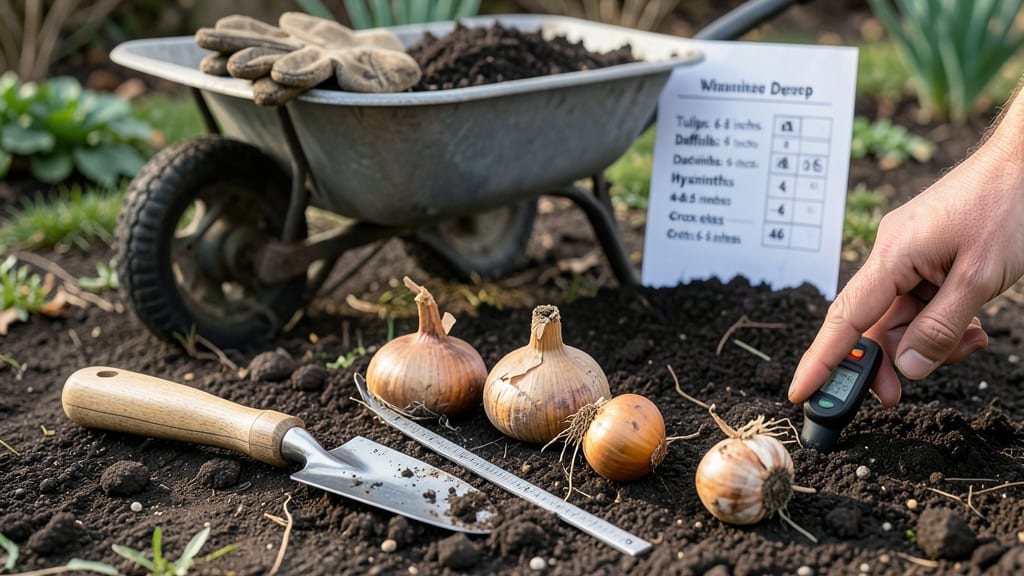
Timing your bulb planting in Portland, Oregon can mean the difference between a garden bursting with 🌷 tulips, daffodils, and hyacinths next spring or a missed opportunity. With Portland’s mild winters and unpredictable frost dates, getting the schedule right is the key to zero-frost success.
If you’ve ever wondered why some gardens thrive while others struggle, the answer often lies in understanding your local climate—especially in USDA Zone 8a. The ideal window for planting bulbs in Portland stretches from late September through mid-November, but knowing exactly when to start makes all the difference.
I’ll walk you through the exact timing, soil prep, and care tips tailored for Portland’s unique conditions. Whether you’re a seasoned gardener or just starting, these insights will help you plant with confidence and enjoy vibrant blooms year after year.
Ready to transform your garden? Let’s dive into the perfect schedule for planting bulbs that will bloom beautifully—no matter what Portland’s winter throws your way.
Portland’s ideal bulb planting window: exact dates by zone and variety
Portland’s USDA Zone 8b/9a climate gives you a 6-8 week window before the first frost—typically late September to mid-November. This timing ensures bulbs establish roots before winter while avoiding spring planting risks. For zero-frost success, aim to plant by October 15th, when average lows dip near freezing.
Early bloomers like crocuses and snowdrops can handle cooler temps, while tulips and hyacinths need that root-establishment window. My rule of thumb? Plant daffodils by October 1st and tulips by mid-October—they’re more frost-sensitive once shoots emerge in spring.
If you miss fall planting, early spring (March–April) is your backup. But spring-planted bulbs often bloom 4-6 weeks later and may struggle with Portland’s unpredictable April rains. For best results, stick to fall.
Here’s how to adjust for Portland’s microclimates: Urban areas (like Downtown) may frost 1-2 weeks earlier than suburban spots (like Hillsboro). Use your local Oregon State University frost maps or check Portland’s average first frost date—usually October 15th.
| Bulb Type | Ideal Planting Window | Bloom Time | Portland Tip |
|---|---|---|---|
| Daffodils (Narcissus) | Late September–October 15 | March–April | Plant 3x depth (6–8 inches) to deter squirrels. |
| Tulips (Early) | Mid-September–October 1 | April–May | Avoid wet soil—amend clay with compost. |
| Hyacinths | October 1–15 | April–May | Plant in partial shade to prevent heat stress. |
| Alliums (Ornamental Onions) | September–November | May–June | Drought-tolerant—ideal for xeric gardens. |
| Crocuses | September–October 30 | February–March | Plant shallow (2–3 inches) for early blooms. |
For late-season bloomers like lilies or fritillaries, push planting to November 1st—they handle cooler soils better. But if temps drop below 40°F before roots establish, mulch with 3–4 inches of straw to insulate.
Pro tip: Use a soil thermometer to check depth—bulbs need 50–60°F soil for root growth. If your yard stays warmer than 60°F into November (common in urban heat islands), plant 2–3 weeks later to avoid rot.
Test your soil’s drainage before planting: Dig a hole, fill it with water, and time how long it takes to drain. Bulbs rot in soggy soil, so amend clay with sand or perlite if water pools after 6 hours.
Remember: Portland’s frost dates vary yearly. Check the National Weather Service Portland for updates, and adjust your timeline if El Niño (warmer winters) or La Niña (colder) patterns are forecasted.
Once planted, water deeply once a week until the ground freezes. This encourages root growth without over-saturating the soil—critical for drought-prone Portland summers the following year.
How to adjust planting for Portland’s microclimates and frost risks
Portland’s diverse neighborhoods create microclimates that can shift your bulb planting window by weeks. Urban heat islands near downtown or along the Willamette River stay warmer, while higher elevations like St. Johns or Gresham experience earlier frosts.
Understanding these variations helps you plant with precision and protect your bulbs from unexpected cold snaps.
For example, areas like Hawthorne or Alberta Arts often see frost 2-3 weeks later than Sauvie Island or the West Hills. If you’re unsure about your specific microclimate, check the Portland Weather Service or use a frost-free date calculator for your exact location.
This small step can mean the difference between thriving blooms and wasted bulbs.
🌱
- 🌡️ Elevations above 500 ft: Plant by October 15 to avoid early frost.
- 🌬️ Wind-exposed areas: Use mulch or straw to insulate bulbs.
- 🌧️ North-facing slopes: Delay planting until late October for safety.
- ⚠️ Urban heat islands: Watch for late frosts in May—cover tender blooms.
- ☀️ South-facing gardens: Safe to plant until November 15.
- 🌿 Sheltered spots: Less risk of frost damage—extend planting to mid-November.
- 🏡 Backyard gardens: Soil retains heat longer—ideal for late-season bulbs.
- ✅ Container gardens: Move pots to protected areas before frost.
Soil preparation is just as critical as timing. Portland’s clay-heavy soil can suffocate bulbs, so amend with compost or sand to improve drainage. Aim for a planting depth of 6-8 inches (or 2-3x the bulb’s height) and space bulbs 3-6 inches apart depending on variety.
For example, tulips need 4-6 inches of space, while daffodils thrive with 3-4 inches between each bulb.
Mulching is another game-changer. Apply a 3-inch layer of straw or shredded leaves after planting to insulate bulbs from temperature swings. In high-risk areas, consider frost blankets for early bloomers like crocuses or snowdrops.
These simple steps create a buffer against Portland’s unpredictable weather, ensuring your bulbs stay cozy underground until spring.
Finally, don’t forget to monitor your garden. If a late frost warning appears in November or December, cover newly planted bulbs with burlap or cardboard to shield them from damage. With these adjustments, you’ll turn Portland’s quirks into advantages and enjoy a vibrant, zero-frost garden every spring.
🌿