Plants
If you've ever wondered when to plant bulbs in Zone 8a, timing is the secret to vibrant spring blooms—or wasted effort.
Unlike colder climates, Zone 8a's mild winters mean bulbs need a different approach to thrive, and planting too early or late can spell disaster for your tulips and daffodils.
In this guide, I'll break down the exact fall deadlines for planting spring-blooming 🌱 varieties, so you don't miss the window between October and November.
We'll also cover how to prep your soil, adjust for Zone 8a's unique frost patterns, and avoid common mistakes that kill bulbs before they even sprout.
Whether you're a first-time gardener or a seasoned pro, these tips will help you maximize your bulbs' potential. From soil drainage to spacing, I've got the Zone 8a-specific advice you need to ensure your garden bursts with color next spring.
Ready to transform your yard? Let's dive into the best practices for planting bulbs in Zone 8a's mild climate—so you can enjoy blooms that'll make your neighbors jealous.
Zone 8a bulb planting calendar: exact fall deadlines by type
In Zone 8a, where winters are mild but still cool enough to trigger bulb dormancy, timing is critical. Most spring-blooming bulbs—like tulips, daffodils, and hyacinths—need 6-8 weeks of root growth before the ground freezes.
Since Zone 8a’s average first frost lands around December 15, your planting window opens in late September and closes by mid-November. Fall-planted bulbs will reward you with vibrant blooms by March or April, depending on the variety.
For fall-blooming bulbs like fall daffodils or snowdrops, the rules shift slightly. These varieties often prefer planting in early fall (September) or even late winter (February) to align with their natural flowering cues.
The key is avoiding extreme heat or cold—bulbs planted in Zone 8a’s summer heat may rot, while those planted too late may not establish roots before winter sets in.
Here’s the Zone 8a bulb planting timeline broken down by bulb type and temperature triggers:
| Bulb Type | Zone 8a Planting Window | Temperature Trigger | Notes |
|---|---|---|---|
| Tulips | Late October - Mid-November | Soil temps <40°F (4°C) | Needs chilling; plant deep (6-8" for standard types). |
| Daffodils | September - Early November | Soil temps <50°F (10°C) | Deer-resistant; plant 4-6" deep. |
| Hyacinths | October - November | Soil temps <55°F (13°C) | Fragrant; crowd out weeds by planting closely. |
| Crocuses | September - October | Soil temps <60°F (15°C) | Early bloomers; plant shallow (2-3" deep). |
| Fall Daffodils | September or February | Avoid summer heat or frost | Blooms in fall/winter; plant 4-6" deep. |
| Snowdrops | September - October | Soil temps <50°F (10°C) | Winter-hardy; plant 3-4" deep in clusters. |
If you miss the fall window, don’t despair—Zone 8a’s mild winters allow for early spring planting (February–March) for most bulbs. However, spring-planted bulbs may bloom 4-6 weeks later than their fall counterparts.
For tropical bulbs like canna lilies or caladiums, wait until after your last frost (mid-January) to plant, as they cannot tolerate cold.
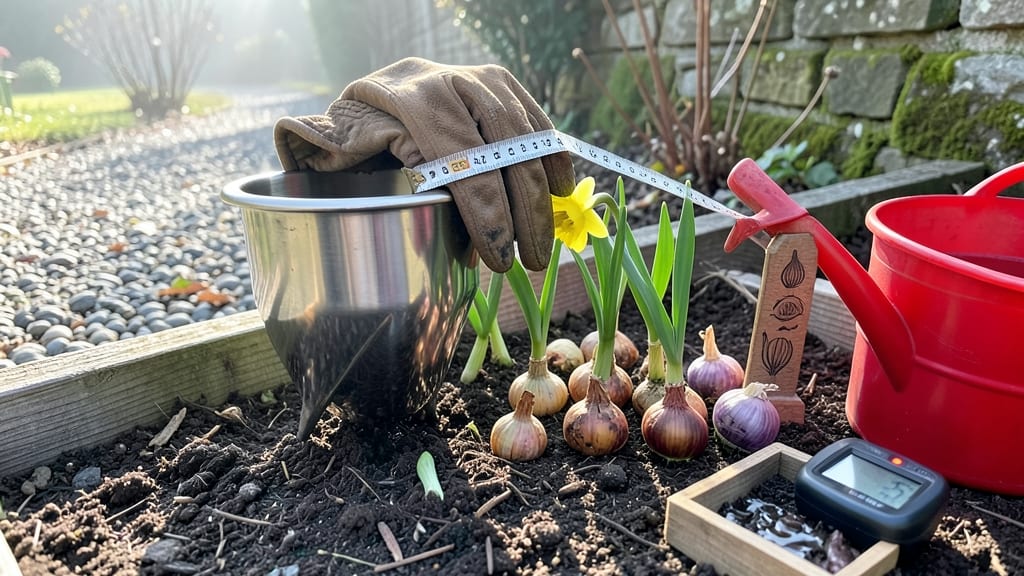
Pro tip: Use a soil thermometer to monitor temperatures. Bulbs need consistent cool soil (below 60°F/15°C) to root properly.
If your soil stays warm into November, opt for late November planting or hold off until February. Mulch heavily after planting to insulate bulbs from Zone 8a’s occasional cold snaps.
For container gardening, plant bulbs in pots by mid-October and move them to a cool, dark place (like a garage) until spring. This mimics the natural chilling period bulbs need to bloom. Just
One common mistake in Zone 8a is assuming "mild winter" means bulbs can be planted anytime. But tulips and hyacinths still need vernalization (a cold period) to flower. If you live in warmer microclimates (e.g., near the coast), plant bulbs earlier (September) to ensure they
How to prepare bulbs for Zone 8a’s mild winters: soil, depth, and spacing tips
Zone 8a’s mild winters mean your bulbs need the right conditions to establish roots before temperatures drop. Unlike colder zones, soil prep is critical—bulbs planted in heavy clay or sandy soil will struggle to thrive. Start by amending your soil with compost or aged manure to improve drainage and fertility.
For planting depth, follow the rule of thumb: plant bulbs at a depth equal to 2-3 times their height. For example, a 2-inch daffodil bulb should go 4-6 inches deep. This ensures stability and protects them from frost heaves during mild winter freezes.
Spacing is another key factor—crowded bulbs compete for nutrients and lead to smaller blooms. Aim for 3-6 inches apart for small bulbs like crocus and 6-12 inches apart for larger varieties like tulips or daffodils.
Finally, avoid planting bulbs in areas where water pools after rain. Zone 8a’s occasional heavy rains can drown bulbs if drainage is poor. With these adjustments, your bulbs will establish strong roots and reward you with bold spring blooms year after year.
Pro tip: Mark your bulb beds with stakes or flags so you don’t accidentally dig them up when prepping for other spring plants! 🌱