Plants
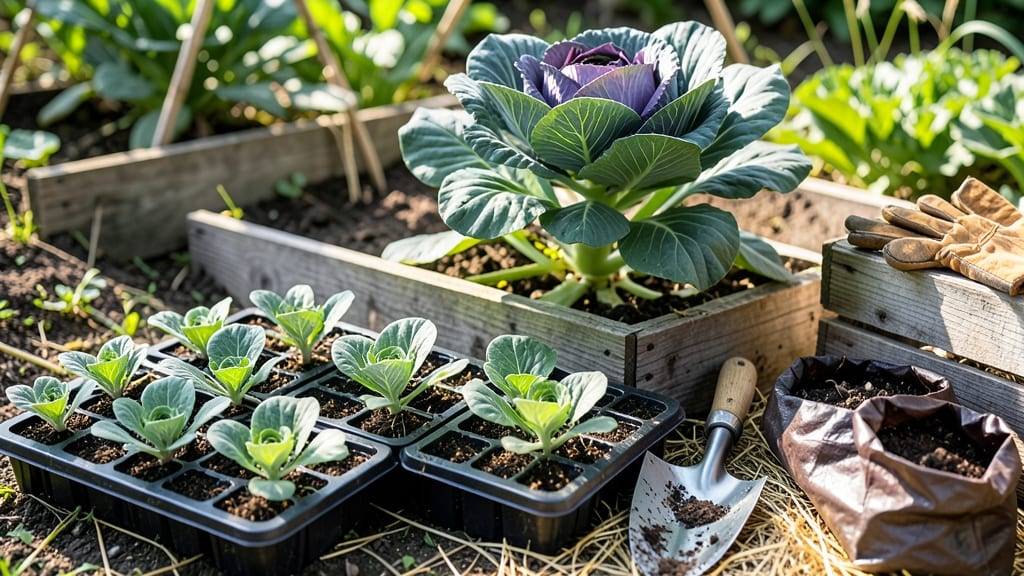
Timing your cabbage 🥬 planting in Arkansas isn’t just about the calendar—it’s about reading the soil. Get it wrong, and you’ll either battle bolting plants or miss out on a full harvest before summer heat takes over.
The key? Planting when soil temps hit that sweet 45°F–75°F window, which in Arkansas means two critical windows: early spring (February–March) and late summer (July–August).
Most gardeners in USDA zones 7a–8a know the basics—avoid frost and extreme heat—but what you might not realize is how Arkansas’ microclimates play a role. Northern Arkansas stays cooler longer, while southern regions can push planting later into spring.
I’ll show you exactly how to adjust your schedule based on where you’re growing, so you’re not guessing whether your cabbage will thrive or bolt.
Beyond timing, I’ll cover the 3 biggest mistakes Arkansas gardeners make with cabbage—like overwatering in summer or skipping soil prep—and how to fix them. You’ll also discover which varieties handle Arkansas’ humidity best, so you can enjoy crisp, bolt-free heads from May through December.
Ready to grow cabbage that actually lasts? Let’s dive into the soil temperature triggers, planting schedules, and pro tips that’ll turn your Arkansas garden into a cabbage powerhouse—no more wasted seeds or bitter harvests.
Arkansas cabbage planting calendar by soil temperature zones
Timing your cabbage planting in Arkansas depends on two critical factors: soil temperature and microclimate zones. Northern Arkansas (USDA Zone 7a) has cooler springs, while southern regions (Zone 8a) warm up faster—this means your planting window shifts by weeks depending on location.
The key is planting when soil temps hit 45°F for germination and staying below 75°F to prevent bolting.
For spring cabbage, aim to plant 4–6 weeks before your last frost date (typically mid-March in northern Arkansas and early March in the south).
For fall crops, start seeds indoors in July or transplant hardened seedlings in late July to early August to harvest before the first frost in November. These windows ensure your plants mature before extreme heat or cold stress sets in.
Here’s how Arkansas’ three distinct planting zones affect your schedule:
| Zone | Last Frost Date | Spring Planting Window | Fall Planting Window | Soil Temp Threshold |
|---|---|---|---|---|
| Northern Arkansas (Zone 7a) | March 15–20 | February 20–March 10 | July 20–August 5 | 45°F–75°F |
| Central Arkansas (Zone 7b) | March 1–10 | February 10–March 5 | July 10–July 25 | 45°F–75°F |
| Southern Arkansas (Zone 8a) | February 28–March 5 | January 30–February 15 | June 20–July 10 | 50°F–75°F (warmer soils) |
Use a soil thermometer to verify temps before planting—cold soil delays germination, while warm soil (above 75°F) triggers bolting. In northern Arkansas, wait until soil reaches 45°F consistently for 10+ days before sowing seeds or transplanting seedlings.
In southern Arkansas, where springs warm faster, you can plant 2–3 weeks earlier than northern regions.
For succession planting, sow seeds every 2 weeks in spring and 3 weeks in fall to stagger harvests. This ensures a continuous supply of fresh cabbage heads without overwhelming your garden at once.
Pair early varieties like ‘Early Jersey Wakefield’ with late-season types like ‘Badger Shipper’ for a 12-week harvest window.
Pro tip: Mulch with straw or leaves after planting to stabilize soil temps and retain moisture. In hot summers, use shade cloth (30–50%) to keep soil temps below 75°F and prevent bolting. This is especially critical in July–August plantings for fall harvests.
Local nurseries like Arkansas Nursery Supply in Little Rock or Horticulture Supply in Fayetteville offer heat-tolerant varieties and soil amendments tailored to Arkansas’ climate. Call ahead to confirm seedling availability—popular varieties sell out fast during peak planting seasons.
Remember: Arkansas’ humidity increases disease risk, so always plant in well-draining soil with 1–2 inches of compost mixed in. Amend heavy clay soils with sand or peat moss to improve drainage and prevent root rot, which is common in wet springs.
🌱
Arkansas cabbage planting calendar by soil temperature zones
Arkansas’ USDA zones 7a–8a create two distinct planting windows for cabbage 🥬: early spring and late summer. The key to success? Monitoring soil temperature—not just air temperature.
Cabbage thrives when soil hits 45°F–75°F, but northern Arkansas (e.g., Fayetteville) can plant 2–3 weeks earlier than southern regions (e.g., Little Rock). Use a soil thermometer to confirm readiness before sowing.
For spring planting, aim for February–March in northern Arkansas and March–April in southern areas. This aligns with average last frost dates (March 15 in the north, March 22 in the south).
Seedlings can handle light frost but bolt if exposed to consistent temps above 80°F. Start seeds indoors 6–8 weeks before transplanting to avoid bolting risks.
| Zone/Region | Ideal Planting Window | Soil Temp Threshold | Key Microclimate Note |
|---|---|---|---|
| Northern AR (7a) | Feb 15–Mar 15 | 45°F–60°F | Cooler nights; risk of late frost |
| Central AR (7b) | Mar 1–Mar 25 | 50°F–65°F | Moderate humidity; watch for black rot |
| Southern AR (8a) | Mar 15–Apr 10 | 55°F–70°F | Warmer soils; faster germination |
| Late Summer (All Zones) | Jul 15–Aug 15 | 65°F–75°F | Use shade cloth; avoid bolting |
Don’t overlook late summer planting (July–August) for a fall harvest. This works because Arkansas’ first frost typically hits November 15, giving cabbage 100–120 days to mature.
However, use shade cloth (30–50%) to protect seedlings from afternoon sun, which can spike soil temps above the 75°F threshold and trigger bolting.
Pro tip: Test your soil’s pH (6.0–7.0) before planting—Arkansas’ clay-heavy soils often need lime or sulfur adjustments. Add 2–3 inches of compost to improve drainage, especially in low-lying areas prone to waterlogging. This prevents root rot and ensures steady growth during Arkansas’ humid summers.
For succession planting, stagger sowings every 2–3 weeks in spring and 3–4 weeks in summer. This extends your harvest window from May through December while keeping plants from overcrowding.
In my Arkansas garden, I’ve found that ‘Golden Acre’ and ‘Cavalo’ varieties handle these conditions best—more on those in the next section!
Remember: Soil temperature > air temperature for planting decisions. Use a soil thermometer ($10 at local nurseries) to avoid guesswork. Happy planting—your bolt-free cabbage heads are waiting! 🌱