
Plants
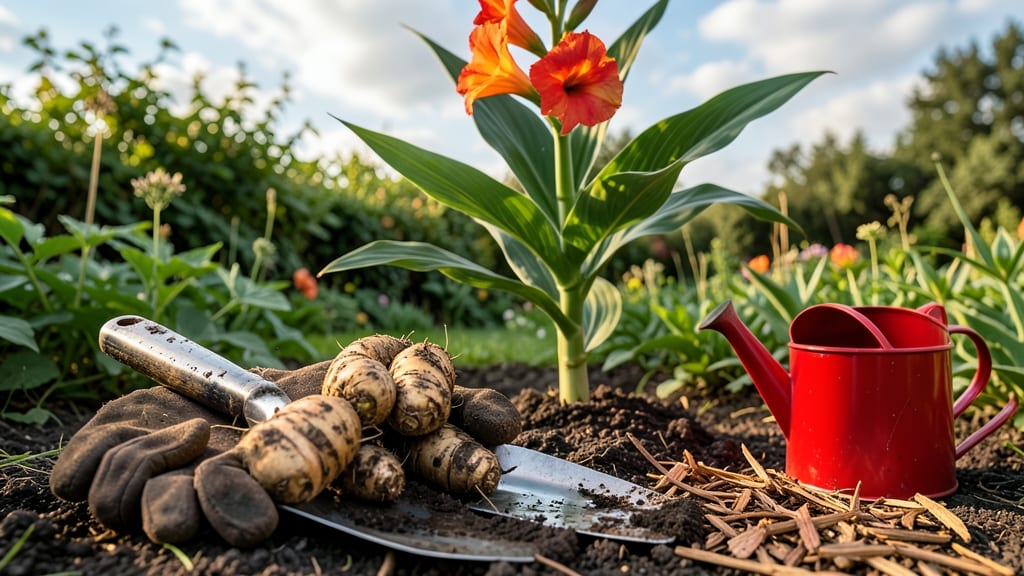
Planting cannas in Oklahoma isn’t just about timing—it’s about catching that sweet spot between frost and scorching heat where these tropical beauties 🌺 truly flourish. If you’ve ever watched your cannas wilt under Oklahoma’s unpredictable spring weather or struggle through summer’s intensity, you know the stakes are high for getting it right.
Here’s the secret: April 15 through May 31 is your golden window to plant cannas in Oklahoma’s 6b-7a zones, ensuring they establish roots before the real heat kicks in.
But there’s more to it than just dates—soil temperature, frost risks, and even your microclimate can shift that window by weeks. Let’s break down exactly what you need to know to give your cannas the best possible start.
Why does this matter? Because cannas planted too early can get fried by late frosts, while those planted too late miss out on the boldest blooms of the season.
I’ll show you how to read your soil, adjust for Oklahoma’s variable frost dates, and even extend your cannas’ bloom time well into fall—so you’re not left with wilting stalks by August.
Ready to transform your garden into a year-round canna paradise? Let’s dive into the exact steps that’ll have your plants thriving from spring through fall, no matter where you are in the state.
Best months to plant cannas in Oklahoma (with hardiness zones 7a-7b guide)
Oklahoma’s USDA Zones 7a-7b create a unique challenge for canna growers—late spring frosts in northern areas clash with scorching summer heat statewide. The key? Planting when soil warms to 60°F+ and all frost risk vanishes.
For most of Oklahoma, this means mid-April to late May, but timing shifts 1-2 weeks earlier in southern regions like Tulsa or Oklahoma City.
Cannas are heat-loving tropicals that despise cold soil. In Zone 7a (northern OK), wait until May 1 to avoid frost damage, while Zone 7b (central/southern OK) can start as early as April 15. Use a soil thermometer—planting too soon in cool soil stunts growth and invites rot.
Pro tip: Check your last frost date (typically April 15 in southern OK to May 10 in northern OK) and add 2-3 weeks as a buffer. Cannas grow 3-5 feet tall by summer, so give them 3-4 feet of space to avoid crowding.
| Zone | Ideal Planting Window | Soil Temp Requirement | Key Risk |
|---|---|---|---|
| 7a (Northern OK) | May 1–15 | 60°F+ | Late frosts |
| 7b (Central/Southern OK) | April 15–30 | 60°F+ | Heat stress if planted too late |
🌱 Note: Use black plastic mulch to warm soil faster in cooler zones.
For early blooms, start tubers indoors 6-8 weeks before your target planting date. Place them in bright light (like a south-facing window) and keep soil 70°F+ using a heat mat. Transplant outdoor-hardened plants after last frost—they’ll bolt ahead of slower-growing garden varieties.
If you miss the spring window, don’t panic! Cannas tolerate late summer planting (June) in Oklahoma’s heat. Just water deeply for the first 2 weeks to help roots establish before summer dormancy kicks in. Avoid planting after July 15, or new growth may not mature before frost.
Container gardeners have more flexibility. Move potted cannas indoors before first frost (typically November 15) and store tubers in cool, dry conditions (like a garage) until spring. This lets you replant the same tubers yearly for bold, familiar blooms.
Watch for yellowing leaves after planting—this often signals overwatering or poor drainage. Oklahoma’s clay-heavy soils worsen this issue, so amend with compost or sand before planting. Aim for well-draining soil with a pH of 6.0–7.0 for optimal growth.
Once established, cannas thrive in Oklahoma’s heat, blooming from July to October. For extended color, choose heat-tolerant varieties like ‘Striped’ or ‘Red Mundi’—they handle 100°F+ days better than delicate hybrids. Pair them with sun-loving companions like black-eyed Susans or salvias for a low-maintenance, high-impact border.
Remember: Patience pays off. Cannas grow slowly at first but explode into 5–7-foot giants by midsummer. Time your planting right, and you’ll enjoy months of tropical drama—without the guesswork.
Signs your Oklahoma soil is ready for cannas (and how to fix common mistakes)
Oklahoma’s clay-heavy, alkaline soils can make or break your cannas. Before planting, check for these 3 key soil readiness signs: warm soil (60°F+), crumbly texture, and good drainage.
Stick your finger 6 inches deep—if it feels damp but not soggy, your soil’s ready. Clay soils? Amend with compost or sand to improve aeration.
Use a soil thermometer to confirm warmth. In northern OK (Zone 7a), soil may stay cool until mid-May, while southern OK (Zone 7b) hits 60°F by April 15.
Planting in cold soil stunts roots and invites rot. Pro tip: Lay black plastic mulch 2 weeks before planting to warm the soil faster.
WARNING: Oklahoma’s clay soil traps moisture, causing root rot in cannas. If your soil feels sticky when wet, amend with perlite or coarse sand before planting.
Test your soil’s pH level—cannas prefer 6.0–7.0. Oklahoma’s native soils often skew alkaline (7.5+), which locks out nutrients. Use a home pH test kit ($10) or send a sample to your local extension office. To lower pH, mix in sphagnum peat moss or pine needles.
Watch for yellowing leaves after planting—this often means overwatering or poor drainage. Cannas hate soggy roots! Dig a 6-inch-deep hole and fill it with water. If it drains in under 1 hour, your soil’s ready. If not, add organic matter like leaf mold or well-rotted manure.
For container gardeners, use a fast-draining mix of 50% potting soil, 30% perlite, and 20% compost. Oklahoma’s summer heat dries potted cannas quickly, so add a moisture meter to avoid underwatering.
Water when the top 1 inch of soil feels dry—never let tubers sit in water.
One common mistake? Planting cannas in shady spots. These tropical plants need 6+ hours of sun daily. In Oklahoma, south-facing beds get the most light.
If your yard lacks full sun, choose dwarf varieties like ‘Pyramid’ and place them near reflective surfaces (like a white fence) to boost light.
After planting, mulch with 2–3 inches of straw to retain moisture and regulate soil temperature. In Oklahoma’s brutal summers, mulch prevents soil from heating above 90°F, which stresses canna roots. Replenish mulch every 3–4 months to keep it effective through the growing season.