
Plants
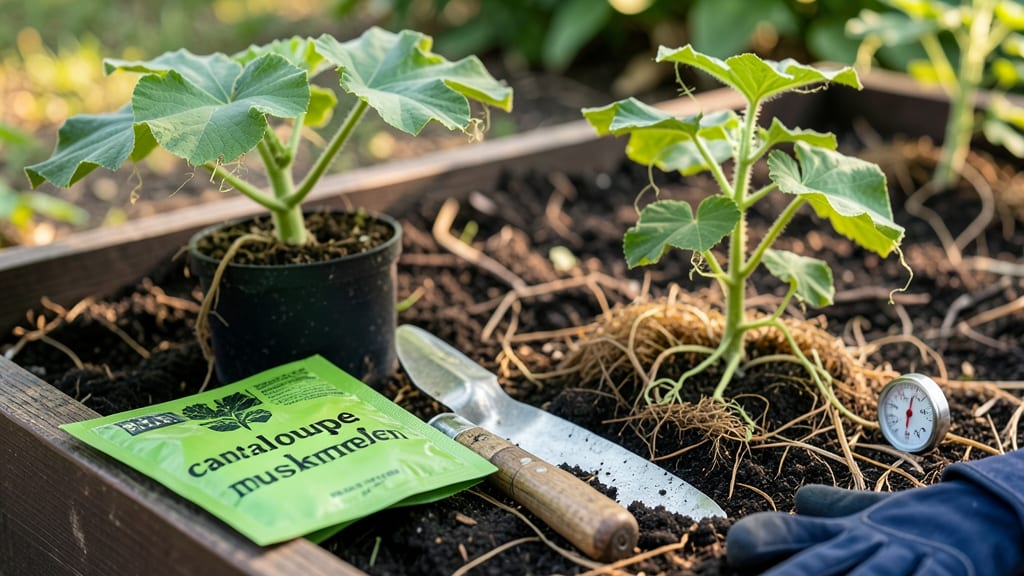
Planting cantaloupe in Louisiana can mean the difference between a sweet summer harvest and bitter disappointment—because timing is everything for this heat-loving crop. 🍈 If you get it wrong, your vines might bolt before fruiting, leaving you with nothing but empty vines and frustration.
The key to success lies in waiting until the soil warms to at least 70°F and all frost danger has passed—usually between March and April for most of the state.
But here’s the catch: Louisiana’s humid climate and varying microclimates mean your neighbors might have different results than you, even just a few miles away.
In this guide, I’ll break down the exact planting schedule that works for Louisiana’s 8a-9b zones, including when to start seeds indoors (if you’re ambitious) and how to prep your soil for maximum success. No more guessing—just a foolproof plan for cantaloupes that thrive from June through September.
You’ll also discover pro tips to prevent bolting, like the right mulching techniques and companion plants that keep your cantaloupes happy in the sweltering heat. Let’s get those vines growing the right way!
Louisiana’s ideal cantaloupe planting windows: avoid early bolting
Louisiana’s humid subtropical climate (USDA zones 8a-9b) creates perfect conditions for cantaloupes—but only if you plant at the right time. The last frost date varies by region: New Orleans typically sees frost by February 15, while Shreveport holds off until March 1.
Planting too early risks cold soil and bolting vines that flower prematurely.
Cantaloupes need soil temperatures above 70°F to germinate properly. In Louisiana, this usually means waiting until late March to early April for spring plantings. Fall plantings are risky due to the state’s short frost-free season (about 240 days), but some gardeners attempt them in August-September for late harvests.
Here’s the key: Spring plantings (March-April) give you the longest growing season, while fall plantings (August-September) often fail due to early frosts cutting harvests short. The ideal window is March 15 to April 15—just as daytime temperatures climb into the 80s°F range.
| Planting Window | Best Months | Soil Temp Requirement | Success Rate | Harvest Window |
|---|---|---|---|---|
| Spring Planting | March-April | 70°F+ | ⭐⭐⭐⭐⭐ (90%) | June-September |
| Fall Planting | August-September | 70°F+ | ⭐⭐ (40%) | October-November (risky) |
| Extended Spring | February (coastal) | 65°F+ (slow germination) | ⭐⭐⭐ (70%) | May-July |
Note: Fall plantings often fail due to early frosts in Louisiana’s Zone 8a regions. Use black plastic mulch to extend soil warmth if attempting fall.
For coastal Louisiana (like New Orleans or Lake Charles), you can push planting back to late February if you use row covers to protect young plants. However, inland areas like Baton Rouge or Alexandria should wait until mid-March to avoid chilly nights that stunt growth.
One common mistake is planting cantaloupes in May or June—this often leads to bolting (premature flowering) because the vines sense the approaching heat of summer and rush to flower before setting fruit.
The 75-day growing season for most cantaloupe varieties means you must start by April 1 to harvest before fall frosts.
If you’re growing heat-tolerant varieties like ‘Ambrosia’ or ‘Hale’s Best’, you can extend your window slightly, but even these need consistent warmth. For best results, stick to the March-April window and use shade cloth (30-50%) during the hottest afternoons to prevent stress.
Pro tip: Use a soil thermometer to confirm temperatures are above 70°F before planting. Louisiana’s black soils warm quickly, but sandy areas may need black plastic mulch to retain heat. This small step can mean the difference between bolting and a bountiful harvest.
Remember, cantaloupes are warm-season crops that hate cold soil. In Louisiana, that means waiting for the heat—not rushing the process. Patience here pays off with sweet, ripe fruit instead of bitter, underdeveloped melons.
Louisiana’s ideal cantaloupe planting windows: avoid early bolting
Louisiana’s hot, humid summers are perfect for cantaloupes—but only if you plant them at the right time. The ideal window is between mid-March and mid-April, when soil temperatures consistently stay above 70°F.
Planting too early risks frost damage, while waiting too long may lead to bolting vines before fruiting.
Your last frost date varies by region: New Orleans averages February 25, Baton Rouge around March 1, and Shreveport closer to March 15. Wait until 2-3 weeks after your area’s last frost before sowing seeds directly in the ground.
For maximum success, aim for these two primary planting windows:
| Planting Window | Soil Temp Requirement | Success Rate | Key Considerations |
|---|---|---|---|
| Spring (March-April) | 70°F+ | 90% | Best for most regions; aligns with peak summer heat |
| Fall (August-September) | 75°F+ | 60% | Risk of early frost; only viable in southern LA (e.g., New Orleans) |
Spring planting dominates because Louisiana’s long growing season (240+ frost-free days) gives cantaloupes plenty of time to mature. However, fall plantings can work in Zone 9b areas like New Orleans if you start seeds indoors in July and transplant by August 15.
If you’re indoor-starting seeds, begin them 4-6 weeks before your target outdoor planting date. Use biodegradable pots to avoid transplant shock, and harden off seedlings by gradually exposing them to afternoon sun for 1-2 hours daily.
Remember: Soil temperature matters more than air temperature. Use a soil thermometer to confirm your garden bed has reached 70°F+ before planting. Cold soil delays germination and weakens seedlings, making them vulnerable to disease and pests in Louisiana’s humidity.