Plants
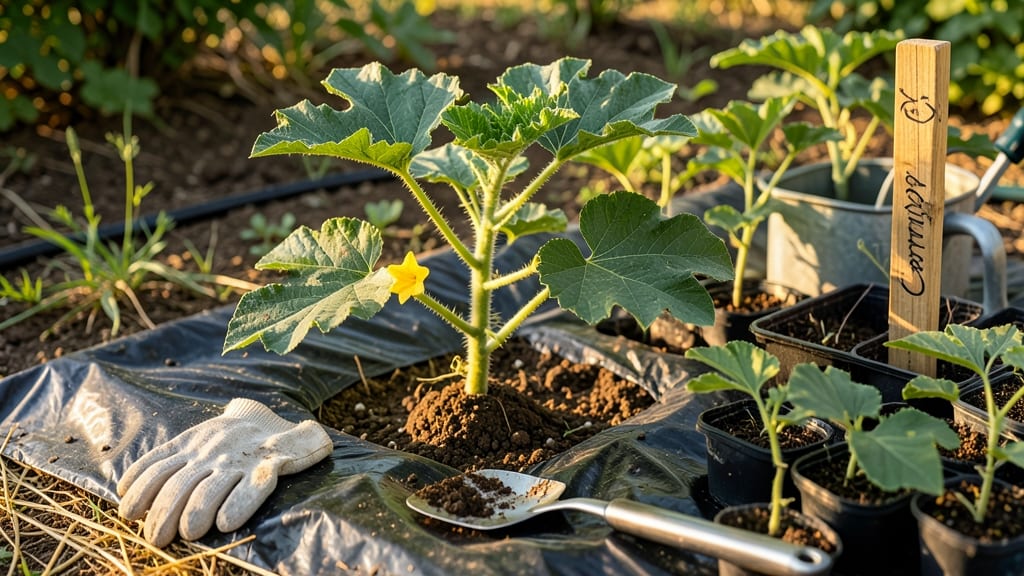
Timing your 🍈 cantaloupe planting in North Texas can mean the difference between a bountiful harvest and a wasted effort. With last frost typically around March 15, waiting too long risks summer's scorching heat arriving before your melons mature.
Most gardeners in USDA Zone 8a get their best results by starting seeds indoors in March or transplanting seedlings after soil warms to 70°F+. This gives vines enough time to establish before North Texas temperatures soar past 90°F.
I’ve learned the hard way that planting too early means frost damage, while late starts often lead to poor pollination in the heat. The sweet spot? March-April for transplanting, with harvests ready by June-August.
Let me show you exactly how to sync your planting schedule with North Texas’ climate for the best cantaloupe yields—no more guessing games.
North Texas cantaloupe planting calendar: frost dates & ideal soil temperature ranges
Cantaloupes thrive in North Texas’s warm climate, but timing is everything. The last average frost date in most of North Texas falls around March 15, but that’s just the starting point.
Cantaloupe seeds need soil temperatures of at least 55°F (13°C) to germinate, and 70°F+ (21°C+) for strong, healthy growth. Planting too early risks frost damage, while waiting too long may mean summer’s brutal heat arrives before harvest.
For best yields, aim to plant cantaloupe seeds 2-3 weeks after your last frost date—typically late March to early April in most of North Texas. This gives vines enough time to establish before summer’s peak heat.
If you’re using transplants, wait until soil temperatures consistently stay above 70°F (21°C), usually by mid-to-late April.
North Texas spans USDA Zones 7b-8b, but microclimates vary. Urban areas like Dallas may experience earlier soil warming than rural areas in the Panhandle. Always check your local Almanac frost dates or use a soil thermometer to confirm readiness.
A 3-4 week buffer between last frost and planting ensures your cantaloupes avoid spring’s unpredictable cold snaps.
Here’s how to align your planting with North Texas’s climate:
| Stage | Action | Soil Temp (°F) | North Texas Timeline |
|---|---|---|---|
| Pre-Planting | Test soil temperature | ≥55°F | Mid-March |
| Seed Germination | Plant seeds ½" deep | 55-60°F | Late March |
| Vine Establishment | Thin to 12" apart | 60-70°F | Early April |
| Flowering/Fruiting | Hand-pollinate if needed | 70-90°F | May-June |
| Harvest | Pick when stem slips | N/A | June-August |
North Texas gardeners often debate whether to plant cantaloupe in early spring or late spring. Early planting (late March) risks late frost damage, while late planting (May) may mean shorter harvest windows before summer’s peak heat.
The sweet spot is early April, when soil is warm but summer’s worst heat hasn’t arrived. Use black plastic mulch to warm soil faster if you’re eager to plant earlier.
Pro tip: If you’re in Zone 8b (e.g., Dallas or Austin), you can push planting to mid-April for a second harvest. But avoid planting after May 15—cantaloupes struggle with temperatures above 95°F (35°C), leading to poor fruit set and bitter-tasting melons.
Monitor your local heat advisories and adjust planting dates accordingly.
For a foolproof schedule, mark your calendar for these key dates:
- March 15: Last average frost date (check local data)
- March 30-April 15: Ideal seed planting window
- April 15-30: Safe for transplants if soil is warm
- June-August: Harvest window (adjust for variety)
Remember, cantaloupes are heat-loving annuals, not cold-hardy perennials. If you miss the spring window, consider container growing on a patio with afternoon shade during peak summer heat. With the right timing, you’ll enjoy sweet, juicy cantaloupes straight from your North Texas garden! 🍈
3 Critical factors that determine your cantaloupe planting success in North Texas
North Texas gardeners face unique challenges when growing cantaloupes, from urban heat islands to heavy clay soils. These three factors will make or break your harvest—understanding them lets you adjust planting dates for perfect timing.
First, microclimates vary wildly across North Texas. Urban areas like Dallas can be 10°F hotter than rural areas, while elevated spots stay cooler longer. Check your yard's specific heat patterns by observing how nearby plants perform.
Soil drainage is another game-changer. Cantaloupes hate soggy roots—our clay-heavy soils need amending with compost or raised beds. Test drainage by digging a hole, filling it with water, and timing how long it drains (ideal: 4-6 hours).
Third, heat tolerance determines whether your melons mature before summer's peak. Most cantaloupes thrive in 75-90°F days—our June-July temps often exceed 100°F. For best results, aim to harvest by mid-August when daytime highs start dropping.
Pro tip: Use black plastic mulch to warm soil faster and extend your planting window by 1-2 weeks. This simple trick helps cantaloupe seeds germinate when daytime temps still dip below 60°F.
By accounting for these three factors, you'll avoid the most common North Texas cantaloupe failures—poor germination, blossom drop, and underripe fruit—and enjoy sweeter melons with fewer headaches.