Plants
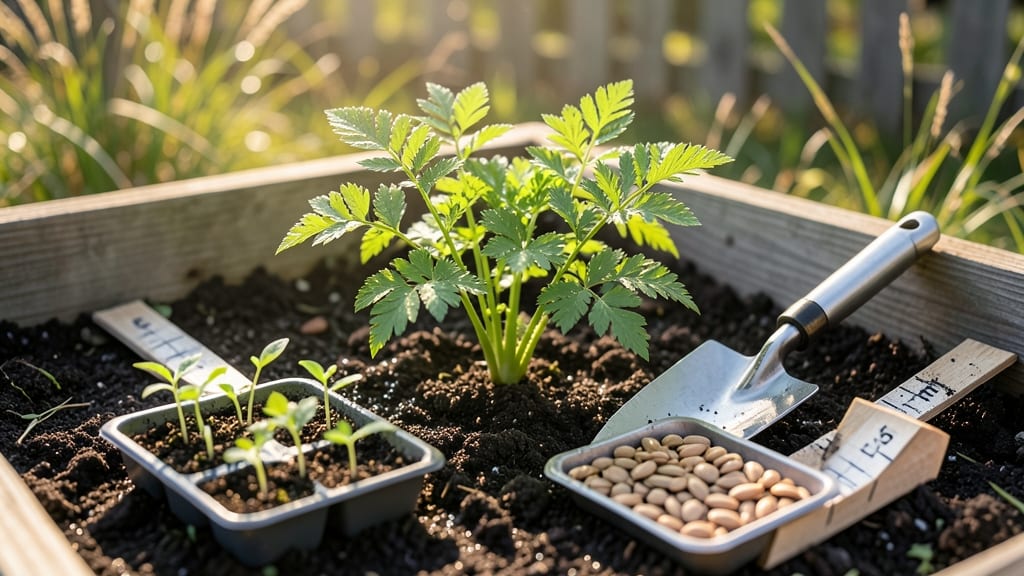
Timing your fall carrot planting by soil temperature—not just the calendar—can transform your harvest from bitter and tough to sweet and crisp. That perfect 60°F–65°F soil range is the secret many gardeners miss, and it’s what separates a successful fall crop from a disappointing one.
In USDA Zone 6a, where I garden, this means planting 🥕 between mid-August and early October—well before the first frost. But here’s the catch: rushing too early can leave your carrots stunted, while waiting too long risks a hard freeze before they mature.
The key is balancing soil warmth with the approaching chill.
What if you’re unsure about your exact soil temperature? I’ll show you how to test it easily and adjust your planting schedule for your region. Plus, I’ll share the best carrot varieties for fall harvests and how to prep your soil to avoid forking and ensure tender roots.
Ready to grow the sweetest fall carrots you’ve ever tasted? Let’s dive into the exact steps that will have you pulling perfect roots right through early winter.
Fall carrot planting timeline by soil temperature (not calendar dates)
Planting carrots in the fall is all about soil temperature, not just the calendar. Carrots need 50°F–65°F soil to germinate properly—too cold, and seeds rot; too warm, and roots turn woody.
I’ve learned this the hard way by planting too early in chilly USDA Zone 5 soil, only to watch my seeds fail to sprout.
Your last frost date is a starting point, but soil temperature tells the real story. In Zone 6, I plant my Danvers carrots in early September when soil hits 55°F, while in Zone 8, I wait until late October when nights cool to 60°F.
The key is matching your region’s soil warming trends to avoid both frost and heat stress.
Here’s the science: Carrot seeds need consistent warmth to break dormancy, but roots develop best in cool but not freezing conditions. That’s why late summer/early fall is ideal—daytime warmth fuels growth, while cool nights sweeten the roots.
Think of it as nature’s way of giving you perfectly timed harvests before winter sets in.
| Region/Zone | Ideal Planting Window | Soil Temp Range | Key Varieties |
|---|---|---|---|
| Zones 3-5 (Cold Climates) | Late July–early August | 50°F–55°F | 'Nantes', 'Chantenay' |
| Zones 6-7 (Temperate) | Mid-August–early September | 55°F–60°F | 'Danvers', 'Paris Market' |
| Zones 8-10 (Warm Climates) | September–October | 60°F–65°F | 'Rainbow', 'Solar Yellow' |
For northern gardens (Zones 3-5), aim to plant 8–10 weeks before first frost. In my Zone 5 garden, that means late July. Use a soil thermometer to confirm temps—if it’s below 50°F, wait.
I’ve seen seeds take 3 weeks to germinate in cool soil, so patience pays off.
In southern climates (Zones 8-10), you can push planting later. I’ve had success sowing 'Solar Yellow' carrots in early October in Zone 9, harvesting before hard frosts in December. The trick? Shade cloth during scorching afternoons to keep soil from overheating above 70°F, which stresses seeds.
Pro tip: Succession planting every 2 weeks in fall gives continuous harvests. Start with fast-maturing varieties (45–50 days) like 'Early Nantes', then follow with slower types (60–75 days) like 'Danvers'. This ensures you’re always pulling fresh, crisp carrots from September through November.
Watch for soil moisture too—dry soil can cause seeds to dry out before germinating. After sowing, keep the bed consistently moist (not soggy) with 1 inch of water per week. A light mulch of straw helps retain moisture and regulate soil temps.
Finally, harvest before hard frosts. In my garden, that’s mid-November in Zone 6. Carrots left in frozen ground become woody and inedible. Pull them when roots are 3/4-inch thick—they’ll sweeten as winter approaches, even if stored properly.
Timing isn’t just about the calendar; it’s about reading your soil. With these temperature guidelines, you’ll grow sweet, straight carrots every fall—no guesswork needed. 🥕🌡️
Fall carrot planting timeline by soil temperature (not calendar dates)
Your fall carrot planting success hinges on soil temperature, not just the date on your calendar. Carrot seeds need 50°F–65°F soil to germinate reliably—too cold, and they rot; too hot, and they bolt.
In USDA Zone 6a, this translates to planting between mid-August and early October, but exact timing varies by your local climate.
For example, in Zone 5, aim for late July to mid-September to avoid early frosts, while Zone 7+ gardeners can extend planting until late October. The key is ensuring 60–75 days to maturity before the first hard frost—check your last frost date and work backward.
Here’s the science: Carrot seeds germinate best at 60°F–65°F. Below 50°F, germination slows dramatically, and roots may develop bitter, woody textures. Above 70°F, they bolt prematurely. Use a soil thermometer ($10 at garden centers) to test your beds before planting.
| USDA Zone | Ideal Planting Window | Soil Temp Range (°F) | Days to Maturity |
|---|---|---|---|
| Zone 3–4 | Late July–early September | 50°F–60°F | 50–60 days |
| Zone 5–6 | Mid-August–early October | 55°F–65°F | 60–70 days |
| Zone 7–8 | Late August–late October | 60°F–68°F | 70–80 days |
Pro tip: If your soil runs hotter than 70°F in late summer, wait until September or use shade cloth to cool the soil. For cooler climates, black plastic mulch can warm the soil by 5–10°F to speed germination.
Adjust your planting schedule based on your local microclimate. Shady spots stay cooler longer, while sunny beds warm up faster. I’ve planted Danvers carrots in my Zone 6a garden as late as October 1st with a row cover, and still harvested crisp roots by Thanksgiving.
Remember: The sweetest fall carrots grow when planted in cool but not freezing soil. Aim for a 60°F–65°F window, and you’ll avoid both bolting and woody roots. Test your soil now—your taste buds will thank you! 🥕