
Plants
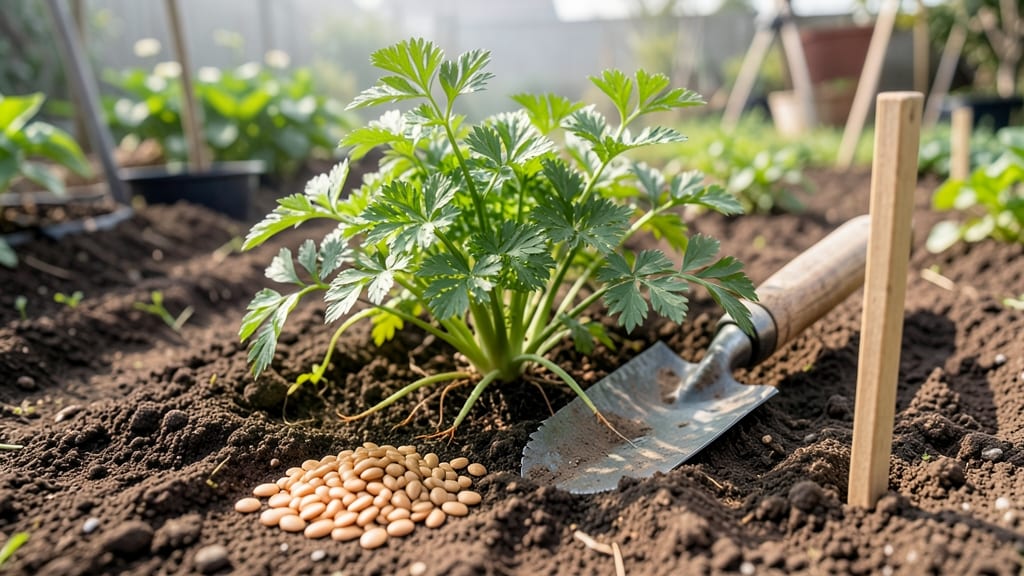
Timing your 🥕 carrot planting just right in North Carolina is the secret to harvesting sweet, crisp roots—without the frustration of woody textures or wasted effort. If you plant too early, frost will turn your seedlings to mush, while waiting too long risks bolting or bitter flavors from summer heat.
The good news? With the right schedule, you can enjoy a steady supply from spring through fall, no matter where you are in zones 7a-8b.
Most gardeners in North Carolina focus on two key windows: early spring (March-April) and late summer (July-August). These months align perfectly with soil temperatures and daylight, giving your carrots the ideal conditions to grow straight and tender.
But here's the catch—your exact timing depends on whether you're in the Coastal Plain, Piedmont, or Mountains, where frost dates and microclimates can shift things by weeks.
What if you want carrots all year? The trick is succession planting, a strategy that lets you stagger crops so you're always harvesting fresh roots.
I'll show you exactly how to space your plantings for continuous harvests, plus how to protect tender seedlings from late frosts or scorching summer sun. No more guessing—just reliable, bold roots every time.
Ready to stop second-guessing your planting schedule? Let’s break down the exact months, soil prep secrets, and regional tweaks that’ll turn your North Carolina garden into a carrot-growing powerhouse. Your first crisp harvest could be just 70 days away!
Best planting months for carrots in North Carolina by region
North Carolina’s diverse climate—from the Coastal Plain’s humidity to the Mountains’ cooler temperatures—means your carrot planting schedule should match your specific USDA Zone (7a-8b). Timing isn’t one-size-fits-all, but these regional guidelines will help you avoid woody roots or bitter harvests caused by heat stress.
Let’s break it down by area so you can plant with confidence.
For Coastal North Carolina (Zones 8a-8b), where winters are mild and summers hot, focus on early spring (February-March) and late summer (August) plantings. The last frost typically hits by mid-March, giving you a 120-day growing window before summer’s intense heat sets in.
In contrast, the Piedmont (Zone 7b) has cooler nights and slightly later frosts, so aim for March-April and July-August to align with soil warming trends.
The Mountains (Zone 7a) experience shorter growing seasons, so prioritize April-May for spring and July for fall crops. Here, soil temperature is critical—wait until the ground reaches at least 50°F (10°C) before sowing, or seeds may rot. Use a soil thermometer to check; this small tool saves hours of guesswork!
| Region | USDA Zone | Best Planting Months | Last Frost Date | Soil Temp Requirement | Key Tip |
|---|---|---|---|---|---|
| Coastal | 8a-8b | Feb-Mar, Aug | Mid-March | 50°F+ (10°C+) | Use shade cloth in summer |
| Piedmont | 7b | Mar-Apr, Jul-Aug | Late March | 55°F+ (13°C+) | Mulch to retain moisture |
| Mountains | 7a | Apr-May, Jul | Early April | 60°F+ (16°C+) | Choose cold-hardy varieties |
If you’re in Coastal NC, don’t overlook fall plantings—sow seeds in September for a winter harvest before the first frost (usually mid-November). Use row covers to extend your season by 2-3 weeks, protecting tender seedlings from unexpected chills.
For the Piedmont, late July plantings give you a fall harvest before temperatures drop, while Mountain gardeners should stick to July sowings for a short but sweet October harvest.
Pro tip: Soil preparation is just as critical as timing. Carrots need loose, rock-free soil to grow straight. Work in 2-3 inches of compost before planting, and avoid fresh manure—it can cause forked roots.
If your soil is heavy clay, mix in sand or perlite to improve drainage. Test your soil’s pH (6.0-7.0 is ideal); acidic soil leads to poor nutrient uptake and stunted growth.
For summer plantings, choose heat-tolerant varieties like ‘Danvers Half Long’ or ‘Nantes’, which handle 90°F (32°C) temperatures better than standard types. If you’re in the Coastal region, pair your carrots with radishes—they mature quickly and mark your rows while shading the soil to retain moisture.
In the Mountains, opt for ‘Chantenay’, a shorter variety that thrives in cooler soils.
Remember: Succession planting is your secret weapon for a continuous harvest. Sow seeds every 2 weeks from March to July (Coastal) or April to June (Mountains) to keep your table stocked.
This method also reduces the risk of pest outbreaks, as aphids and carrot rust flies target dense plantings. Thin seedlings to 2 inches apart once they’re 2 inches tall—this prevents competition and encourages bold, straight roots.
One common mistake? Planting too deep. Carrot seeds are tiny, so cover them with just ¼ inch of soil—any deeper, and they won’t sprout. Use a seed starter mix if your soil is cold or compacted, or try biodegradable pots for easier transplanting.
And always water gently after sowing to avoid washing seeds away.
Finally, keep an eye on pests like carrot flies and wireworms. In the Coastal region, these pests are most active in late summer, while Mountain gardeners face fewer issues until July.
Use floating row covers or interplant with onions to deter them naturally. With the right timing and care, you’ll enjoy crisp, homegrown carrots from June through November—no store-bought roots needed!
How to extend your carrot harvest with successive plantings
North Carolina’s mild winters and long growing season let you harvest carrots nearly year-round—but only if you use successive planting strategies. By spacing out your plantings every 2-3 weeks, you’ll enjoy fresh, crisp roots from spring through fall.
The key is choosing the right varieties and protecting tender seedlings from late frosts or summer heat.
Start with cold-hardy varieties like ‘Danvers’ or ‘Nantes’ for early spring plantings. These varieties tolerate light frosts and grow well in cooler soil. For summer and fall, opt for heat-tolerant types like ‘Chantenay’ or ‘Paris Market’, which resist bolting in hot weather.
Succession planting ensures a steady supply without overwhelming your garden at once.
Here’s my proven 3-step succession planting schedule for North Carolina:
Plant ‘Danvers’ or ‘Nantes’ seeds in late February to early March (Coastal) or March to early April (Piedmont/Mountain). Use row covers if frost threatens. Harvest by June-July.
Sow short-day varieties like ‘Paris Market’ every 2-3 weeks from April to June. Space plantings to stagger harvests. Use shade cloth in peak summer to prevent bolting.
Plant heat-tolerant varieties like ‘Chantenay’ in July-August for a fall harvest. Aim to harvest before first frost (typically mid-November). Extend the season with cold frames or mulch for winter harvests.
Protect seedlings with floating row covers or lightweight fabric during late spring frosts. In summer, provide afternoon shade to prevent bolting. For fall crops, use black plastic mulch to warm the soil and deter weeds. This method lets me harvest carrots from May through November—no gaps!
Timing is everything: Plant your last succession crop by mid-August to ensure roots mature before winter. Use a planting calendar to track frost dates and soil temps. With this approach, you’ll avoid the frustration of bolting or woody roots while enjoying a continuous harvest all season long.
Don’t forget to thin seedlings to 2-3 inches apart as they grow—this prevents overcrowding and ensures straight, bold roots. A little planning now means fresh carrots on your table for months!