
Plants
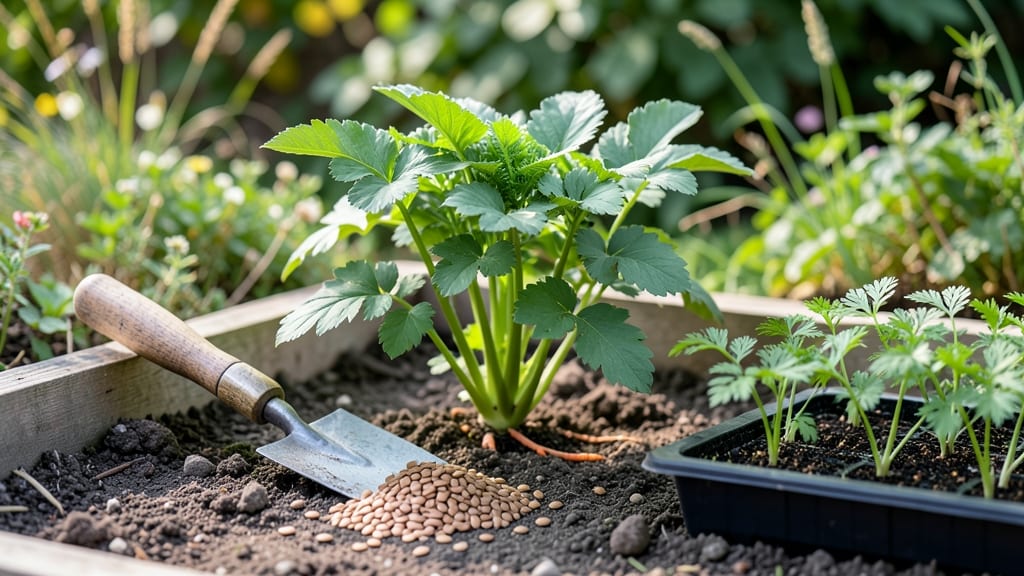
Knowing when to plant carrots in Northern California isn’t just about checking a calendar—it’s about mastering the 3 distinct seasons that shape your harvest.
Whether you’re battling coastal fog in USDA Zone 8a or scorching Central Valley heat in Zone 9b, timing makes all the difference between sweet, crisp 🥕 and tough, bitter roots.
The ideal planting windows here aren’t one-size-fits-all. Inland areas like Sacramento can start as early as late February, while coastal gardens near San Francisco wait until March to avoid frost.
Then there’s the fall planting rush—August to September—for winter harvests before the first frost hits in November. Miss these windows, and you risk stunted growth or bolting plants.
But here’s the good news: with the right microclimate strategy, you can enjoy fresh carrots from June through December. I’ll break down the exact weeks to plant for your specific zone, plus soil prep secrets and succession planting tips to keep your garden producing all season long.
Ready to grow carrots that rival the farmers’ market? Let’s dive into the localized planting schedule that’ll transform your garden—and your meals—this year.
Northern California carrot planting calendar by microclimate: coastal vs. Valley vs. foothills
Northern California’s diverse microclimates create wildly different growing seasons—coastal areas stay chilly longer, the Central Valley heats up early, and mountain foothills experience delayed springs. To nail your carrot harvest, plant at the right time for your zone.
Coastal gardeners should start 4-6 weeks earlier than Valley growers, while foothill gardeners may need to wait until soil warms.
Carrots thrive in cool soil (50-75°F), so timing depends on last frost dates and soil temperature. Coastal areas like San Francisco can plant as early as late February, while the Sacramento Valley waits until mid-March.
Foothill regions like Napa often align with coastal timing but with shorter growing seasons.
For continuous harvests, use succession planting: sow seeds every 2-3 weeks from spring through early summer. This ensures a steady supply from June through December, depending on your microclimate. Fall plantings in August-September yield winter carrots, perfect for holiday meals.
🌱 Northern California Carrot Planting Guide by Microclimate
| Microclimate | First Planting Window | Last Planting Window | Soil Temp | Avg. Harvest Time |
|---|---|---|---|---|
| Coastal (SF Bay Area) | Late February - Early March | August - Early September | 50-65°F | June - July, Nov - Dec |
| Central Valley (Sacramento) | Mid-March - Early April | Late August - Mid-September | 60-70°F | May - June, Oct - Nov |
| Foothills (Napa, Lake Tahoe) | Early March - Late March | July - Early August | 55-68°F | June - July, Oct |
🌡️ Pro Tip: Use a soil thermometer to confirm temps before planting.
Northern California’s fall frosts vary widely: coastal areas can expect frost by November 15, while inland valleys may see frost as early as October 30.
For winter carrots, plant cold-hardy varieties like 'Chantenay' or 'Danvers' by mid-August to harvest before frost. Mulch heavily to protect roots in colder months.
If you’re in a warmer microclimate like the Central Valley, avoid planting in July-August—soil temps can exceed 80°F, causing bitter, stunted roots. Instead, focus on spring and fall plantings. Coastal gardeners can experiment with year-round plantings under row covers for extended harvests.
For container growing, plant short varieties like 'Paris Market' or 'Little Finger' in deep pots (12+ inches). These thrive in cooler months and can be planted 2-3 weeks earlier than traditional varieties. Just ensure pots have drainage holes to prevent rot.
Monitor your garden’s moisture levels closely—carrots need consistent water but hate soggy soil. In drought-prone areas like the Sacramento Valley, use drip irrigation to maintain even moisture. Overwatering can lead to forked roots or cracked soil, so aim for 1-2 inches of water per week.
To maximize your harvest, rotate crops annually—carrots are susceptible to pests like carrot rust fly and aphids. Follow them with onions, garlic, or beans to disrupt pest cycles. In high-risk zones, use floating row covers early in the season to protect seedlings.
Remember: patience is key with carrots—they take 70-85 days to mature. Start with small batches to test your microclimate’s ideal timing. Once you’ve nailed the perfect weeks, you’ll enjoy homegrown carrots from spring through winter! 🥕
How to extend your carrot harvest season in Northern California’s climate
Northern California’s unpredictable weather—from coastal fog to Central Valley heat—can make growing carrots year-round a challenge. But with the right varieties and techniques, you can enjoy fresh, crisp carrots from early spring through late fall. The key is staggered planting and seasonal adjustments to match your microclimate.
Start by choosing cold-hardy varieties like 'Nantes' or 'Paris Market' for early spring and late fall. These varieties thrive in cooler temperatures and tolerate light frosts, extending your growing window.
For summer, opt for heat-tolerant types such as 'Danvers' or 'Chantenay', which handle the dry heat of the Central Valley better than standard varieties.
To maximize your harvest, plan three planting windows: early spring (February-March), late spring (April-May), and fall (August-September). This ensures a continuous supply of carrots without gaps.
For example, plant 'Nantes' in February for a spring harvest, then follow with 'Danvers' in April for summer, and finish with 'Paris Market' in August for fall.
- Use row covers in early spring and fall to protect seedlings from unexpected frosts and extend the growing season by 2-3 weeks on either end.
- Warm soil in late winter with black plastic mulch to speed up germination and avoid the cold, wet soil that often delays early plantings.
- Mulch heavily in summer to retain moisture and regulate soil temperature, preventing the carrots from becoming woody in the heat.
- Succession plant every 2-3 weeks from spring through fall to ensure a steady harvest without overwhelming your garden at once.
- Choose shorter varieties like 'Paris Market' for containers or small spaces, which mature faster and are ideal for fall plantings.
Don’t overlook the power of soil preparation. Carrots need loose, stone-free soil to grow straight and reach their full potential. Before planting, mix in compost or aged manure to improve drainage and fertility.
In heavy clay soils common in the Central Valley, add sand or perlite to prevent forked roots.
For coastal gardeners, focus on fall and winter harvests by planting 'Danvers Half Long' in late summer. These carrots thrive in the cooler, wetter conditions of the Bay Area and can often be left in the ground until needed.
In contrast, inland gardeners should prioritize spring and early summer plantings to avoid the intense heat that can stress the plants.
With these strategies, you’ll enjoy homegrown carrots for nearly half the year—no greenhouse required! The secret is adapting to your local climate while keeping your soil and planting schedule flexible. Happy growing! 🥕