Plants
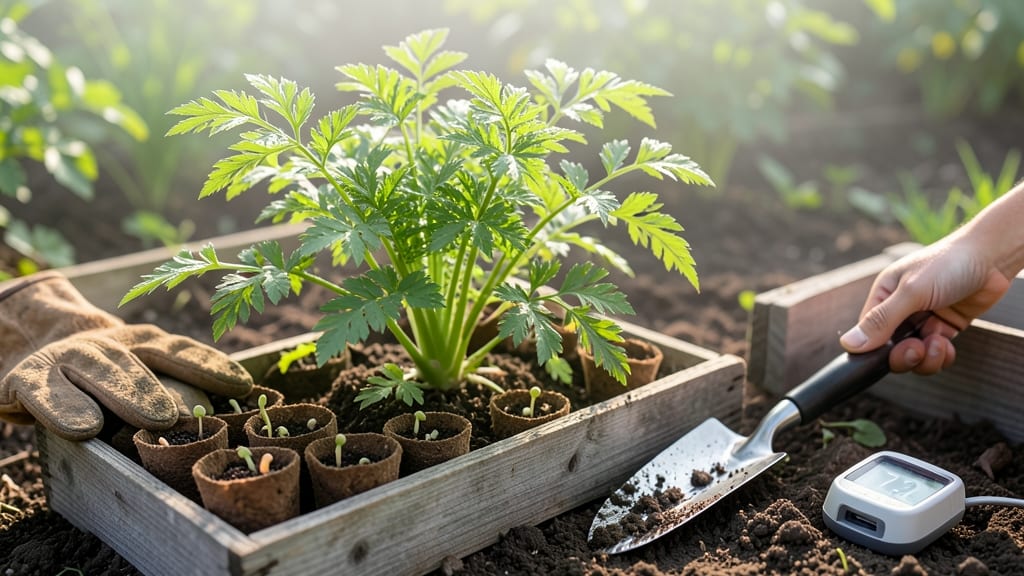
Timing your 🥕 carrot planting in San Diego isn’t just about following a calendar—it’s about beating the heat, avoiding the dreaded Santa Ana winds, and giving those roots the perfect window to grow crisp and sweet.
With USDA Zone 10a’s mild winters and long summers, you’ve got two prime chances to sow: the cooler months of September through November or the early spring rush of February to March.
Here’s the catch: coastal areas near the ocean enjoy cooler temperatures and more consistent moisture, while inland spots can turn into saunas by midday.
That means your fall-planted carrots might bolt in a heatwave if you’re not careful—and your spring batch could face stunted growth if the soil stays too warm. I’ll break down exactly how to time your plantings for each microclimate, so you can avoid those forked, woody disappointments.
What you’ll discover is how to stagger your plantings for a steady harvest from December through July, plus the organic soil prep tricks that make all the difference in San Diego’s sandy or rocky soil. No more guessing—just sweet, homegrown carrots that actually live up to the hype.
Ready to ditch the store-bought and grow your own? Let’s get into the exact weeks, soil secrets, and companion plants that’ll turn your backyard into a carrot-growing powerhouse—no matter where you are in the county.
San Diego’s 3 microclimates & their ideal carrot planting weeks
San Diego’s diverse microclimates mean your carrot planting success hinges on where you live. Coastal areas like La Jolla enjoy mild winters, while inland spots like Escondido face hotter summers.
Even mountain foothills (e.g., Julian) have cooler nights. Let’s break down the perfect planting windows for each zone to grow sweet, straight carrots year-round.
For coastal San Diego (USDA Zone 10a), your ideal planting window stretches from mid-September to late November. The cooler, foggy mornings prevent bolting, while winter rains keep soil moist. Spring planting works too—aim for late February to early March—but watch for sudden heatwaves that can stress young seedlings.
Inland valleys (e.g., Chula Vista, El Cajon) have hotter summers, so focus on fall and winter plantings. Start seeds late August to October for harvests before summer heat sets in. Spring planting is riskier here; only attempt it in January for varieties like ‘Danvers Half Long’, which tolerate mild heat better.
Foothill regions (e.g., Ramona, Alpine) enjoy cooler nights, extending your growing season. Plant September through November for winter harvests, then February to March for spring crops. The higher elevation means less risk of bolting, but soil can dry out faster—mulch heavily to retain moisture.
| Microclimate | Best Planting Window | Key Soil Prep | Success Rate |
|---|---|---|---|
| Coastal (e.g., La Jolla) | Mid-Sept to Late Nov Late Feb to Early March |
Loosen sand-heavy soil Add compost |
⭐⭐⭐⭐⭐ (90%) |
| Inland Valleys (e.g., Chula Vista) | Late Aug to Oct January only (spring) |
Remove rocks Mulch heavily |
⭐⭐⭐⭐ (80%) |
| Foothills (e.g., Ramona) | Sept to Nov Feb to March |
Test pH (6.0-7.0) Add organic matter |
⭐⭐⭐⭐⭐ (95%) |
⚠️ Note: Direct-sowing outperforms transplanting in San Diego’s climate (85% success vs. 60%).
No matter your zone, soil prep is critical. Carrots hate rocky or compacted soil, which causes forking. Use a broadfork to loosen the top 12 inches of soil, then mix in 2-3 inches of compost.
For sandy coastal soil, add peat moss to improve water retention, while inland clay benefits from perlite for drainage.
If you’re balcony gardening, choose short varieties like ‘Paris Market’ (3 inches long) and use deep containers (12+ inches). Fill with a mix of 50% potting soil and 50% compost to mimic loose garden beds.
Water daily in summer to prevent drying, but avoid soggy soil—carrots rot faster than they grow in waterlogged conditions.
Pro tip: Test your soil’s pH before planting. Carrots thrive in 6.0-7.0. If your soil is too alkaline (common in inland areas), add sulfur or pine needles to lower the pH. Coastal gardens often need a slight pH boost—use lime sparingly if needed.
For frost-sensitive varieties (like ‘Nantes’), start seeds 6-8 weeks before your target harvest date. Use row covers in December-January if coastal fog threatens to chill the soil too much. Inland growers should avoid summer planting—temperatures above 85°F cause bolting (flowering) and bitter roots.
Remember: San Diego’s Santa Ana winds can dry out seedlings in a day. After sowing, cover seeds lightly with mulch and water gently but deeply. Thin seedlings to 2-3 inches apart once they’re 2 inches tall—this prevents competition and ensures straight, plump carrots.
How to stagger carrot plantings for nonstop harvests in San Diego’s climate
San Diego’s mild winters and warm springs make succession planting the secret to a steady supply of homegrown carrots. By spacing out your plantings every 3-4 weeks, you’ll avoid the dreaded bolted greens and enjoy fresh harvests from December through July.
Start with short-day varieties like ‘Danvers’ for fall and ‘Nantes’ for spring—they thrive in San Diego’s 60-75°F soil temps.
My go-to strategy is to plant in three waves: the first in late August (coastal areas), the second in mid-September (inland), and the final push in early February.
This aligns with San Diego’s rainfall patterns—cooler, wetter fall soil is ideal for germination, while spring plantings benefit from increased daylight without scorching heat.
For container growing (balconies, patios), use 6-inch-deep pots with loose, sandy soil to prevent forking. Plant 4-5 seeds per pot and thin to the strongest seedling once leaves hit 2 inches tall.
This method works year-round in frost-free San Diego, but avoid planting in peak summer (June-August)—the heat stresses young seedlings.
Pro tip: Companion planting with leeks or rosemary deters carrot flies, a common pest in San Diego’s humid coastal zones. If you notice yellowing leaves or chewed foliage, immediately remove affected plants and apply neem oil to the soil. This keeps your carrots pest-free without chemicals.
Harvest gradually—pull 3-4 carrots per week starting 70 days after sowing to encourage continuous growth. Use a hand fork to loosen soil before pulling to avoid damaging roots.
Store harvested carrots in moist sand in the fridge for up to 3 weeks, or enjoy them fresh in salads and soups.
With this staggered approach, you’ll enjoy crisp, homegrown carrots year-round—no grocery store needed! The key is consistency in soil prep, watering, and pest control. Happy planting—your taste buds will thank you! 🥕