
Plants
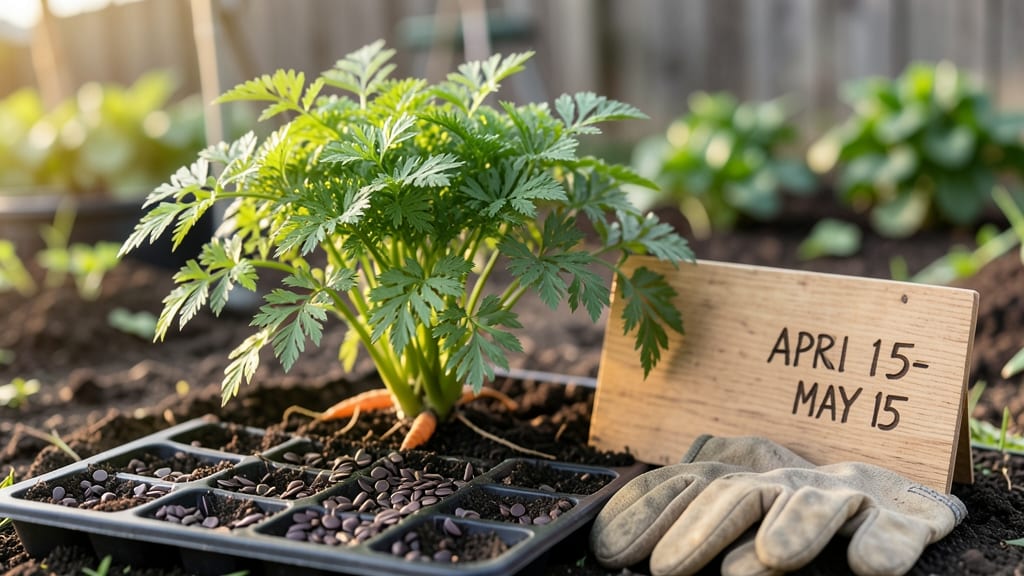
Timing your carrot planting in Seattle wrong can mean bitter, stunted 🥕 roots—or worse, bolting before you even taste them. The key to crisp, sweet harvests lies in understanding the city’s unique climate, where cool springs and unpredictable summers demand precision.
Seattle’s USDA Zone 8a offers two prime windows: early spring (March-April) and midsummer (July-August). But getting those seeds in the ground too early risks frost damage, while planting too late can trigger bolting from Seattle’s sudden heat spikes.
I’ll break down the exact months that work—and how to adjust for your specific microclimate.
Whether you’re a first-time gardener or a seasoned green thumb, these insights will help you avoid common pitfalls. From soil prep to succession planting, I’ll show you how to maximize your harvest without the guesswork. Let’s get those 🥕 growing right.
Ready to skip the trial-and-error? You’ll discover how to time your plantings for two harvests per year, even with Seattle’s rainy springs. The secret starts with the calendar—and ends with a garden full of perfect, homegrown carrots.
Seattle’s ideal carrot planting calendar: month-by-month breakdown
Seattle’s cool, wet springs and mild summers create a unique growing window for carrots. Unlike warmer climates, you can actually plant twice a year—once in early spring and again in late summer—for two distinct harvests.
But timing matters: Plant too early, and your carrots may rot from cold soil. Plant too late, and they’ll bolt from heat stress.
The last frost date in Seattle (around April 15) signals the start of your primary planting window. However, soil temperature is more critical than air temperature—carrot seeds need soil at 50°F or warmer to germinate reliably.
In Seattle’s USDA Zone 8a, this typically aligns with mid-to-late March for early spring plantings.
Your second planting window opens in late July to early August, when summer heat begins to ease. This gives carrots enough time to mature before the first frost on October 15.
For both windows, aim to harvest before fall rains intensify, which can cause rot or make soil too soggy for crisp roots.
Pro Tip: Use a soil thermometer to confirm readiness—50°F+ soil is non-negotiable for germination. If your soil is still chilly, opt for cold-hardy varieties like ‘Nantes’ or wait until mid-April.
| Planting Window | Soil Temp | Sunlight Needs | Harvest Time | Notes |
|---|---|---|---|---|
| Mid-March to Mid-April | 50°F+ | Full sun (6+ hrs) | June–July | Primary harvest; use shade cloth if late spring heat arrives early. |
| Late July to Early August | 55°F+ | Full sun | October–November | Fall harvest; protect with row covers if frost threatens early. |
| Early February (Indoor Start) | N/A | Grow lights | April–May | Extend season; transplant outdoors after last frost. |
For Eastside Seattle (warmer microclimates), you can push spring plantings slightly earlier—late February—but monitor soil temps closely. In Puget Sound areas, cooler marine influence may delay planting until mid-April to avoid cold-soil issues.
Succession planting every 2–3 weeks after your initial date ensures a steady supply. For example, if you plant on March 15, follow up with seeds on April 1 and April 15 for staggered harvests. This works for both spring and fall plantings.
Watch for: Bitter roots (from heat stress) or forked shapes (from rocky soil). Seattle’s clay-heavy soil often needs compost amendments to improve drainage. Mix in 2–3 inches of compost before planting to encourage straight, sweet roots.
If you’re new to carrots, start with short-season varieties like ‘Paris Market’ (50 days) or ‘Little Finger’ (55 days). These mature quickly and tolerate Seattle’s cool summers better than long-season types. For bold flavors, try ‘Danvers’ or ‘Chantenay’ in your fall planting.
Remember: Carrots hate competition. Thin seedlings to 2–3 inches apart once they’re 2 inches tall. This prevents overcrowding and ensures crisp, pencil-sized roots by harvest time. 🥕
How to avoid carrot bolting in Seattle’s unpredictable spring
Seattle’s cool, damp springs can trick carrots into thinking summer has arrived—causing them to bolt prematurely. Bolting turns sweet roots into bitter, woody stalks with tiny seeds. The key to prevention? Controlling temperature and light exposure while ensuring consistent moisture.
In my garden, I’ve found that shade cloth and succession planting are game-changers for avoiding this common pitfall.
Carrots bolt when exposed to long days + warm soil. Seattle’s spring often delivers both unexpectedly—even in March, temperatures can spike to 70°F+ for days at a time. To counteract this, I use 30% shade cloth during peak sunlight hours (10 AM–4 PM) for early spring plantings.
This mimics cooler conditions and delays bolting by 2–3 weeks. For late April plantings, reduce to 10% shade or remove it entirely if nights stay cool.
Another critical tactic is succession planting every 2 weeks. Instead of sowing all seeds at once, I stagger plantings to ensure a continuous harvest before bolting becomes an issue.
For example, if I plant on March 15, I follow up with seeds on March 29 and April 12. This way, even if the first batch bolts, the later plantings still yield crisp roots. It’s a low-effort insurance policy against Seattle’s unpredictable weather.
Pro Tip: Avoid overwatering, which can stress plants and trigger bolting. Carrots need consistent moisture (about 1 inch per week), but soggy soil leads to rot and weak roots. I use drip irrigation on a timer to deliver water directly to the soil without wetting the foliage. This keeps roots happy and reduces disease risk while preventing moisture-related stress.
- Heat spikes: Even brief days above 75°F can trigger bolting.
- Overcrowding: Thin seedlings to 2–3 inches apart to prevent competition.
- Poor drainage: Rocky or compacted soil stresses roots, making them bolt.
- Nitrogen excess: Too much fertilizer promotes leafy growth over roots.
For organic gardeners, I recommend mixing composted manure into the soil before planting to improve fertility without overfeeding. A light application of fish emulsion (5-5-5) at the time of sowing provides gentle nutrition without the risk of bolting.
If you notice seedlings getting leggy, switch to a low-nitrogen fertilizer like kelp meal to encourage root growth instead of foliage.
Finally, choose bolting-resistant varieties like ‘Rainbow’ or ‘Solar Yellow’. These types handle Seattle’s cool summers better than traditional orange carrots. For extra protection, I plant bolting-prone varieties like ‘Danvers’ in partial shade (e.g., near taller plants or a north-facing fence) to delay exposure to long daylight hours.
With these strategies, you can enjoy crisp, sweet carrots instead of bitter surprises. 🌱
Remember: Bolting isn’t always bad! If you’re saving seeds, let a few plants bolt and go to flower—they’ll produce carrot-family flowers that attract pollinators to your garden. Just don’t let it happen to your entire crop. 🥕