Plants
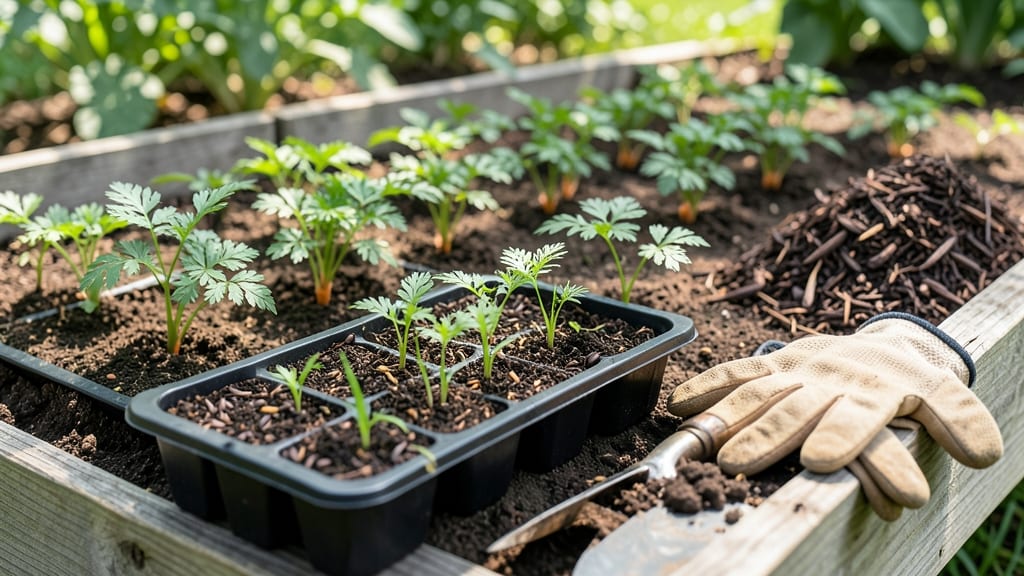
If you've ever tried planting 🥕 carrots in South Louisiana and ended up with bitter, woody roots or bolted greens, you're not alone. The key to success isn't just about timing—it's about understanding how our humid heat and unpredictable weather patterns affect these cool-season crops.
Most gardeners know fall is the prime window, but did you realize winter and early spring plantings can actually outperform summer attempts?
The secret lies in choosing the right varieties and planting during those critical 6-week windows when soil temps stay below 85°F—a common pitfall that sends carrots into premature flowering.
Let me show you exactly when to sow seeds for two harvests—once in September-October and again in January-February—plus which heat-tolerant varieties thrive despite our 8b-9a zone climate. We'll also tackle the biggest challenges: from soil prep to avoiding bolting, so you can grow sweet, crisp carrots year after year.
Ready to transform your garden? I'll walk you through every step, including how to adapt for our short growing seasons and why succession planting works better than single-season attempts. Your perfect carrot harvest starts with these simple but powerful strategies.
Best planting months for carrots in South Louisiana’s climate
South Louisiana’s hot, humid summers and mild winters create unique challenges for growing carrots. The key to success? Planting during cooler months when soil temperatures stay below 85°F to prevent bolting—when carrots flower prematurely and become bitter.
My best advice? Stick to fall and winter planting for the sweetest, crispest harvests.
Carrots thrive in USDA Zones 8b-9a, where frost dates range from mid-December to mid-January. This means you can actually grow carrots year-round with careful timing.
The ideal windows are September-October (fall) and January-February (winter), but don’t overlook late summer or spring opportunities if you choose the right varieties.
Here’s why these months work best: September-October gives carrots enough time to mature before winter, while January-February avoids the brutal summer heat. Even in Louisiana’s short growing season, you can squeeze in two full harvests if you plan ahead.
The trick? Succession planting every 2-3 weeks to keep a steady supply.
🌱
| Planting Window | Soil Temp (°F) | Days to Harvest | Key Considerations |
|---|---|---|---|
| Late August - Early September | 75-80°F | 70-85 days | Risk of bolting; choose heat-tolerant varieties |
| September - October | 65-75°F | 60-75 days | Best window; harvest before winter |
| January - February | 55-65°F | 70-80 days | Coolest months; protect from late frosts |
| March - Early April | 60-70°F | 65-75 days | Spring planting; watch for pests |
If you’re eager to try summer planting, aim for late May at the earliest—but only with shade cloth and daily watering. Soil temperatures above 85°F will cause seeds to bolt or rot.
I’ve had limited success with short-day varieties like ‘Paris Market’ in summer, but they require extra care. For most gardeners, fall and winter are the safest bets.
Another pro tip: Use black plastic mulch in summer to cool the soil and row covers in winter to protect from light frosts. These tricks extend your growing season by 2-3 months on either end. Just remember—carrots need consistent moisture, so don’t skip the drip irrigation during dry spells.
For succession planting, sow seeds every 2-3 weeks from September through November. This ensures a continuous harvest until December. If you miss fall, don’t worry—January and February plantings will give you spring harvests just in time for Easter dinners.
The key is soil prep: Loosen the earth to 12 inches deep and mix in compost to prevent forking.
🌿
One common mistake I see in Louisiana gardens? Planting too late in spring. By April, the heat is already building, and carrots struggle to establish roots. If you’re determined to grow them in summer, start with container gardening—pots heat up slower than in-ground soil.
And always harden off seedlings if you’re transplanting, as Louisiana’s humidity can shock young plants.
Finally, keep an eye on pests like carrot rust flies and diseases such as Alternaria leaf spot. Crop rotation and neem oil sprays are my go-to defenses. With the right timing and care, you’ll enjoy homegrown carrots that rival anything from the grocery store—without the high price tag.
Best planting months for carrots in South Louisiana’s climate
South Louisiana’s 8b-9a climate means we can grow carrots in two prime windows: fall and winter. The key is planting when soil temperatures stay below 85°F—any hotter, and your carrots will bolt (flower prematurely). For most gardeners, this means September-October for fall harvests and January-February for spring harvests.
Our long, humid summers make spring planting risky, but with shade cloth and careful watering, you can try late August. The real secret? Avoiding the dog days of summer (June-August) entirely—carrots hate the heat and will turn bitter or split if stressed.
| Planting Window | Ideal Months | Soil Temp (°F) | Harvest Window | Notes |
|---|---|---|---|---|
| Fall Planting | September-October | 60-75°F | November-December | Best for sweet roots; avoid after October 15 |
| Winter Planting | January-February | 55-70°F | March-May | Use row covers for frost protection |
| Late Summer (Risky) | Late August | 75-80°F (max) | September-October | Only with shade cloth; high bolting risk |
For a year-round supply, I recommend succession planting every 2-3 weeks during your ideal windows. Start with 20 seeds per foot (they’re tiny!) and thin to 2-3 inches apart once sprouts appear. In Louisiana’s clay-heavy soil, mix in sand or compost to prevent forking—this is non-negotiable for crisp roots.
Pro tip: Use a soil thermometer to monitor temps. Carrots grow best between 60-75°F—any hotter, and they’ll bolt. If your soil hits 85°F, delay planting until temps drop.
Our humid climate also means you’ll need to water deeply 2-3 times per week (morning only) to prevent cracking. Mulch with straw to retain moisture and keep roots cool—this is especially critical in September when temps are still warm.
Don’t forget: Carrots are cool-season crops, so they’ll tolerate light frosts (28°F) once established. If a hard freeze (25°F) is forecasted, cover your beds with row fabric or old blankets.