
Plants
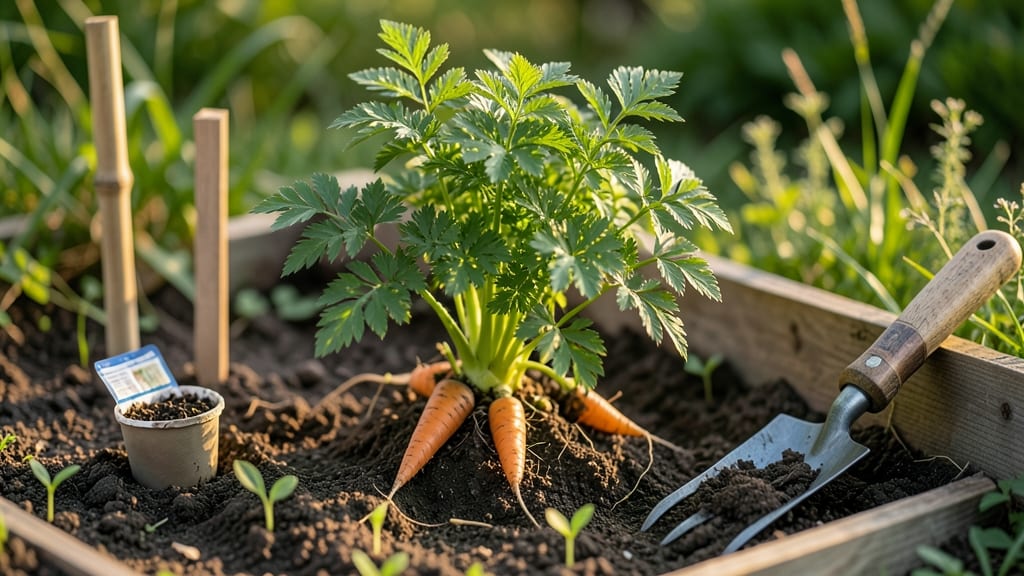
Timing is everything when it comes to growing sweet, crisp carrots in Zone 7a—plant too early, and you risk bolting; too late, and pests take over. The secret to a bountiful harvest lies in mastering the perfect windows for both spring and fall planting.
In Zone 7a, where last frosts typically hit around March 15 and first frosts arrive by November 15, carrots thrive when planted in early spring (March–April) or late summer (July–August). These windows ensure your 🥕 roots develop properly before extreme heat or cold sets in.
But here’s the catch: soil temperature and local microclimates play a huge role. Too cold, and seeds won’t germinate; too hot, and they’ll bolt before you even see growth. I’ll break down the exact dates and adjustments you need to make for Zone 7a’s unpredictable weather.
Whether you’re a first-time gardener or a seasoned pro, these insights will help you avoid common mistakes—like planting too late and inviting carrot flies or too early and risking frost damage. Let’s get your garden set up for success.
Ideal planting windows for carrots in Zone 7a: spring vs fall comparison
Carrots thrive in Zone 7a’s mild winters and warm summers, but timing is everything. Plant too early, and cold snaps stunt growth; too late, and bolting or pests ruin your harvest.
The key is aligning your planting with soil temperatures and frost dates—typically March 15 for last frost and November 15 for first frost in this zone.
For the sweetest, crispest carrots, focus on two main windows: early spring (March–April) and late summer (July–August). Each window offers unique advantages, from avoiding bolting to maximizing harvest before winter sets in. Let’s break down the best times, soil prep, and what to watch for in each season.
| Planting Window | Optimal Dates (Zone 7a) | Soil Temp Requirement | Key Risks | Harvest Window |
|---|---|---|---|---|
| Early Spring | March 15–April 15 | 45–55°F (7–13°C) | Late frosts, uneven germination | June–July |
| Late Spring | April 15–May 15 | 55–65°F (13–18°C) | Bolting from heat stress | July–August |
| First Fall | July 1–July 15 | 60–70°F (16–21°C) | Carrot rust fly, uneven growth | October–November |
| Second Fall | August 1–August 15 | 55–65°F (13–18°C) | Frost before maturity | October–November |
In early spring, aim for March 15–April 15 when soil temps hit 45–55°F. This window avoids late frosts while giving roots time to mature before summer heat sets in. Use row covers if nights dip below 40°F to protect tender seedlings.
For late spring, shift to April 15–May 15 when soil warms to 55–65°F. Choose bolting-resistant varieties like ‘Danvers’ or ‘Nantes’ to handle rising temperatures. Water deeply in the morning to prevent stress-induced bolting.
Fall planting in Zone 7a is a game-changer. Start with a first fall window (July 1–15) for a late harvest. Soil should be 60–70°F—use a soil thermometer to confirm. For a second fall window (August 1–15), opt for faster-maturing varieties like ‘Paris Market’ to beat frost.
Pro tip: In Zone 7a, succession planting every 2–3 weeks after your initial window ensures a steady supply. Thin seedlings to 2–3 inches apart to prevent overcrowding, which leads to forked or stunted roots.
Watch for carrot rust fly in summer plantings—use fine mesh row covers or interplant with leeks or onions to deter them. In fall, mulch with straw to insulate roots as temps drop.
Timing isn’t just about dates—it’s about soil conditions and microclimates. If your garden stays cooler than average, push planting back 1–2 weeks. Use these windows as a guide, but always check your local frost dates and adjust accordingly.
Master these windows, and you’ll enjoy
Ideal planting windows for carrots in Zone 7a: spring vs fall comparison
In Zone 7a, your carrot planting success hinges on two key windows: early spring (March–April) and late summer (July–August). These periods align with soil temperatures between 50°F–75°F, ideal for germination and growth. Spring plantings give you a June–July harvest, while fall plantings yield roots by October–November.
Timing matters because carrots are cool-season crops that bolt (flower prematurely) in heat over 80°F. In Zone 7a, summer heat arrives early, so late July plantings are your last chance for fall harvests. Miss this window, and you’ll face pest pressure from carrot flies or stunted growth.
Here’s how the two seasons compare—so you can pick the best strategy for your garden:
For spring plantings, aim for 4–6 weeks before your last frost date (typically March 15 in Zone 7a). Use row covers if nights dip below 40°F to protect young seedlings. Fall plantings, however, require 8–10 weeks before your first frost (around November 15), so July is your last chance.
Pro tip: In Zone 7a’s variable climate, check soil temps with a thermometer—carrot seeds need 50°F+ to germinate. If your soil runs cooler, wait until April 1 for spring or August 1 for fall to avoid slow starts. Patience here pays off with sweeter, straighter roots.
Remember, succession planting every 2 weeks in spring (until May) and fall (July–August) extends your harvest. This ensures a steady supply and reduces bolting risks from fluctuating temps.