Plants
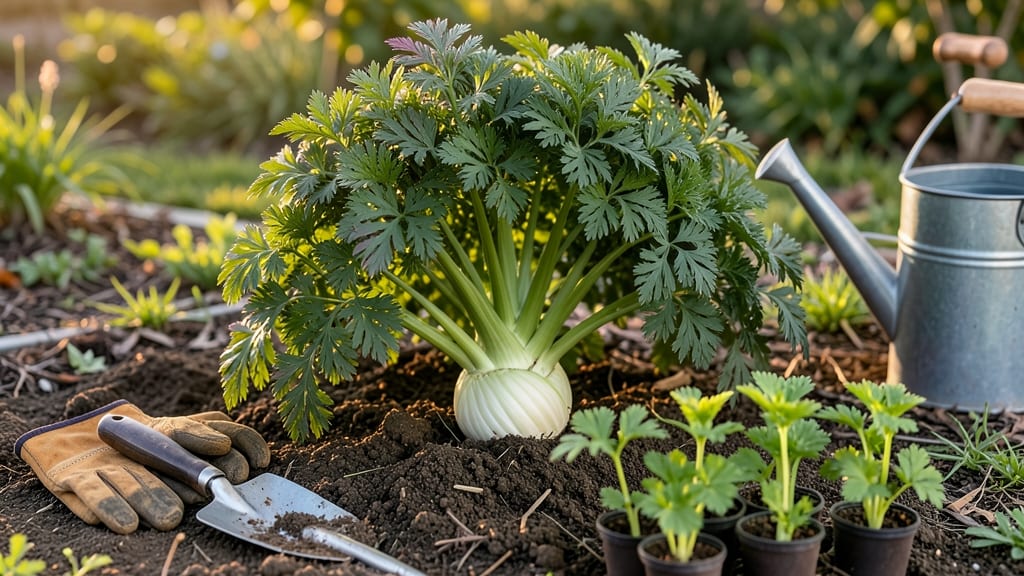
Timing your celery planting in North Carolina can mean the difference between a bountiful harvest and a sad, wilted disappointment. With the right window—like February to March for spring or August to September for fall—you’ll grow crisp, flavorful stalks that outshine store-bought any day.
But get it wrong, and you’re fighting frost or waiting too long for those sweet, crunchy rewards.
Here’s the secret: NC’s 7a-8b zones have specific frost dates that dictate when to start seeds indoors or transplant seedlings. Too early, and a late frost will zap your plants; too late, and you’ll miss the prime harvest window of May-June or October-November.
I’ll break down the exact steps so you avoid common mistakes and maximize your yield.
Whether you’re a seasoned gardener or just starting, knowing when to plant 🥬 celery in NC isn’t rocket science—it’s about working with your climate, not against it. Let’s dive into the frost-date cheat sheet that’ll have you growing celery like a pro, no matter where you are in the state.
Ready to skip the guesswork? You’ll learn how to time your plantings perfectly, extend the growing season, and troubleshoot issues before they start. Your future salads will thank you!
North Carolina frost zones & ideal celery planting windows by month
North Carolina spans USDA Zones 7a-8b, which means your last frost dates vary dramatically—from mid-March in the mountains (Zone 7a) to late March in the Piedmont (Zone 7b) and early April in the Coastal Plain (Zone 8a).
Celery is a cool-season crop that thrives when soil temperatures hit 50°F+, so timing is everything to avoid frost damage or bolting.
For spring plantings, your window is tight: February-March for starting seeds indoors (10-12 weeks before last frost) or March-April for transplanting seedlings once soil warms. Fall plantings work too—aim for August-September to harvest before the first frost in mid-November.
Miss these windows, and you’ll end up with bitter, woody stalks instead of crisp, sweet celery.
Pro Tip: Use NC State Extension’s frost date map to pinpoint your exact last frost date. For example, Asheville (Zone 7a) has a later frost than Raleigh (Zone 7b), so adjust your schedule accordingly. Mountain gardeners should start seeds indoors by January, while Coastal gardeners can direct-sow as late as April.
🥬 NC Celery Planting Windows by Zone
| Zone | Last Frost | Spring Planting Window | Fall Planting Window | Harvest Time |
|---|---|---|---|---|
| 7a (Mountains) | Mid-March | Feb 15–Mar 1 (indoors) / Mar 15–Apr 1 (transplant) | Aug 1–Sep 15 | May–Jun / Oct–Nov |
| 7b (Piedmont) | Late March | Feb 1–Mar 15 (indoors) / Mar 15–Apr 15 (transplant) | Aug 15–Sep 10 | May–Jun / Oct–Nov |
| 8a (Coastal Plain) | Early April | Feb 15–Apr 1 (indoors or direct sow) | Aug 10–Sep 30 | Apr–Jun / Sep–Nov |
💡 Note: Adjust for microclimates—valleys freeze earlier than slopes!
If you’re direct-sowing (planting seeds outdoors), wait until soil temperatures stay above 50°F—use a soil thermometer to confirm. In Zone 7a, this might not happen until late April, which is why starting seeds indoors in February is critical.
For fall harvests, sow seeds 8-10 weeks before your first frost (typically August for most of NC).
For extended growing seasons, consider row covers or cold frames in Zone 7a to push harvests into early December. In Zone 8a, you can even try winter plantings under protection for a January harvest.
The key is consistent moisture—celery hates drying out, even in cooler months.
One NC-specific hack: Plant celery near companion plants like parsley or dill to deter pests and improve flavor. Avoid planting near beans or cucumbers, which compete for nutrients. Succession planting every 2 weeks in spring and fall ensures a steady supply—just don’t let seedlings get root-bound before transplanting!
Remember, celery is slow-growing—it takes 100-150 days to mature. If you’re in Zone 7a and plant too late, you’ll miss the harvest window. Zone 8a gardeners have more flexibility but should still aim to finish by November to avoid frost damage.
Plan ahead, and you’ll enjoy homegrown celery from May through November!
For container growing, use 5-gallon pots and plant 2-3 seedlings per container. Containers warm up faster in spring, so you can transplant 2 weeks earlier than in-ground plantings. Just ensure pots have drainage holes—celery roots rot in soggy soil.
🌱 Final Tip: Mark your calendar for March 15 (average last frost for most of NC) and work backward to schedule your plantings. Whether you’re a mountain gardener or a Coastal grower
5 Critical factors that determine celery’s success in NC gardens
North Carolina’s 7a-8b climate zones offer ideal conditions for growing 🥬 celery, but success hinges on five key factors beyond frost dates. First, soil temperature must reach at least 50°F before planting—cold soil stunts root growth.
Use a soil thermometer to check, especially in Zone 7a where spring arrives later.
Next, sunlight needs are non-negotiable. Celery thrives in 6+ hours of full sun daily, but in NC’s humid summers, partial shade (morning sun + afternoon shade) prevents bolting. I’ve found success with east-facing beds where afternoon heat is less intense.
The third factor is moisture balance. Celery demands consistently moist soil—drought stress turns stalks bitter. In Zone 8b, I water deeply every morning, while Zone 7a gardens may need afternoon watering to combat evaporation. Mulch with straw to retain moisture and suppress weeds.
For cooler zones (7a), extending the growing season is critical. Use row covers in early spring or cold frames to protect seedlings from late frosts. I’ve transplanted hardened-off seedlings under covers in early February, then removed them after the last frost date (mid-March in most areas).
Finally, succession planting maximizes yield. Sow seeds every 2-3 weeks from February to April for a continuous harvest. In fall, repeat this process from August to September to enjoy crisp stalks through November. This strategy ensures you’re never without fresh celery.
Don’t overlook pest management—aphids and slugs love celery. I spray neem oil preventatively and handpick pests early in the morning. Aphids cluster on undersides of leaves, so check regularly for early signs of infestation.
By mastering these five factors—soil temperature, sunlight, moisture, season extension, and succession planting—you’ll grow celery that’s sweeter, crisper, and far more productive than store-bought. Your future salads will be the talk of the neighborhood!
- 🌡️ Soil Temperature: Wait until soil reaches 50°F+ before planting.
- ☀️ Sunlight: Provide 6+ hours of full sun daily; use partial shade in summer.
- 💧 Moisture: Keep soil consistently moist—drought causes bitter flavor.
- ❄️ Season Extension: Use row covers in Zone 7a to protect from late frosts.
- 🌱 Succession Planting: Sow seeds every 2-3 weeks for continuous harvests.